Underground Sewage Systems: Kasukabe Project & Urban Flood Management
Visit the Metropolitan Outer Underground Discharge Channel in Kasukabe — the world largest flood-control tunnel — and study how Tokyo manages urban flooding through invisible mega-infrastructure.
Overview
Program Objectives
- Understand the engineering principles and scale of urban underground drainage systems.
- Analyse Tokyo flood management governance and financing model.
- Apply lessons to flood risk management in rapidly urbanising cities.
- Develop a concept design for flood-resilient infrastructure in a target city.
Requirements
- Civil engineers, urban planners, municipal infrastructure directors, water management officials, and flood-risk specialists. Basic knowledge of drainage and hydrology is recommended.
Why This Program?
Tokyo Underground Cathedral That Stops Floods. See It in Kasukabe.
Five days studying the world largest flood-control tunnel and designing a drainage concept for your city.
Flooding is the most expensive climate risk for cities. Japan built the G-Cans project to protect 1 million homes. This programme gives you the technical site access, engineering expertise, and governance models to replicate the concept in your region.
Japan has the world largest underground flood-control infrastructure and has integrated it with metropolitan governance, climate adaptation, and long-term maintenance planning.
Five days in Tokyo and Kasukabe: G-Cans site visit, drainage masterplan, international comparisons, and city concept design.
Program Value
Learning Journey
Nomination Eligibility
Why Train in Japan
Why Train Overseas
Field Visits Note
Certificate Statement
How to Use This File for Nomination
Suggested Programs
 Smart Agriculture & Food Security
Open
Smart Agriculture & Food Security
Open
Satoyama: Balanced Agriculture Philosophy & Rural Planning Applications
Satoyama landscapes blend forests, rice paddies, and villages into a sustainable land-use system recognised by UNESCO. Visit Kyoto to learn how this model can inspire rural development and food security in your country.
 Healthcare & Senior Care Technology
Open
Healthcare & Senior Care Technology
Open
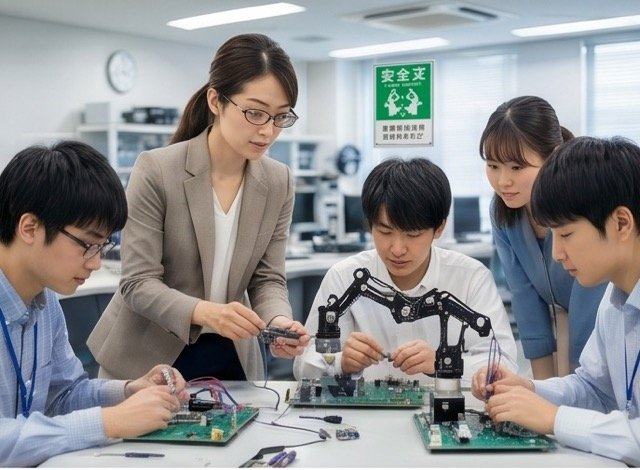
AI in Early Diagnosis: Hitachi & Fujifilm Models
Japanese AI systems now detect cancers and chronic diseases earlier than human specialists alone. Learn from Hitachi and Fujifilm in Tokyo and build an AI diagnostic roadmap for your hospital.
 Law & Governance
Open
Law & Governance
Open
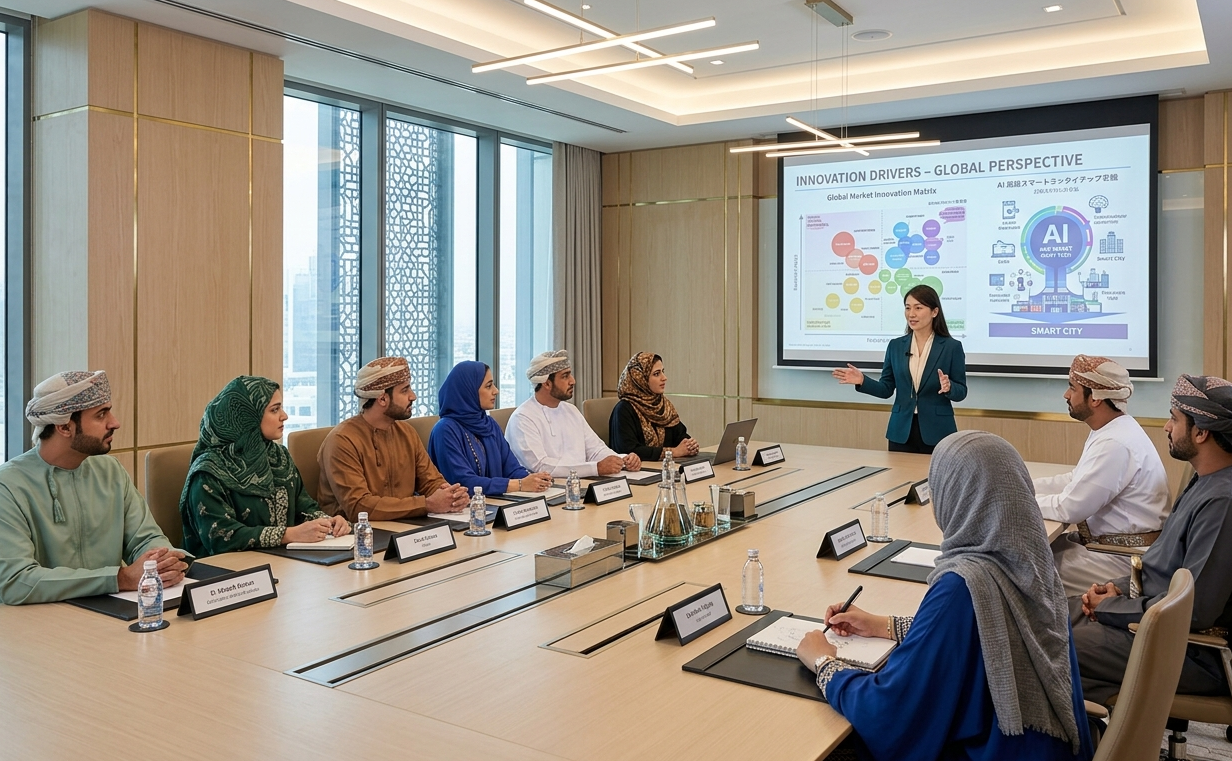
Japanese Corporate Compliance: Building a Culture, Not a Penalty System
Why compliance in Japan is an embedded culture not a checklist — how Japanese companies build internal control systems operating on collective self-discipline.
 Quality & Operations
Open
Quality & Operations
Open
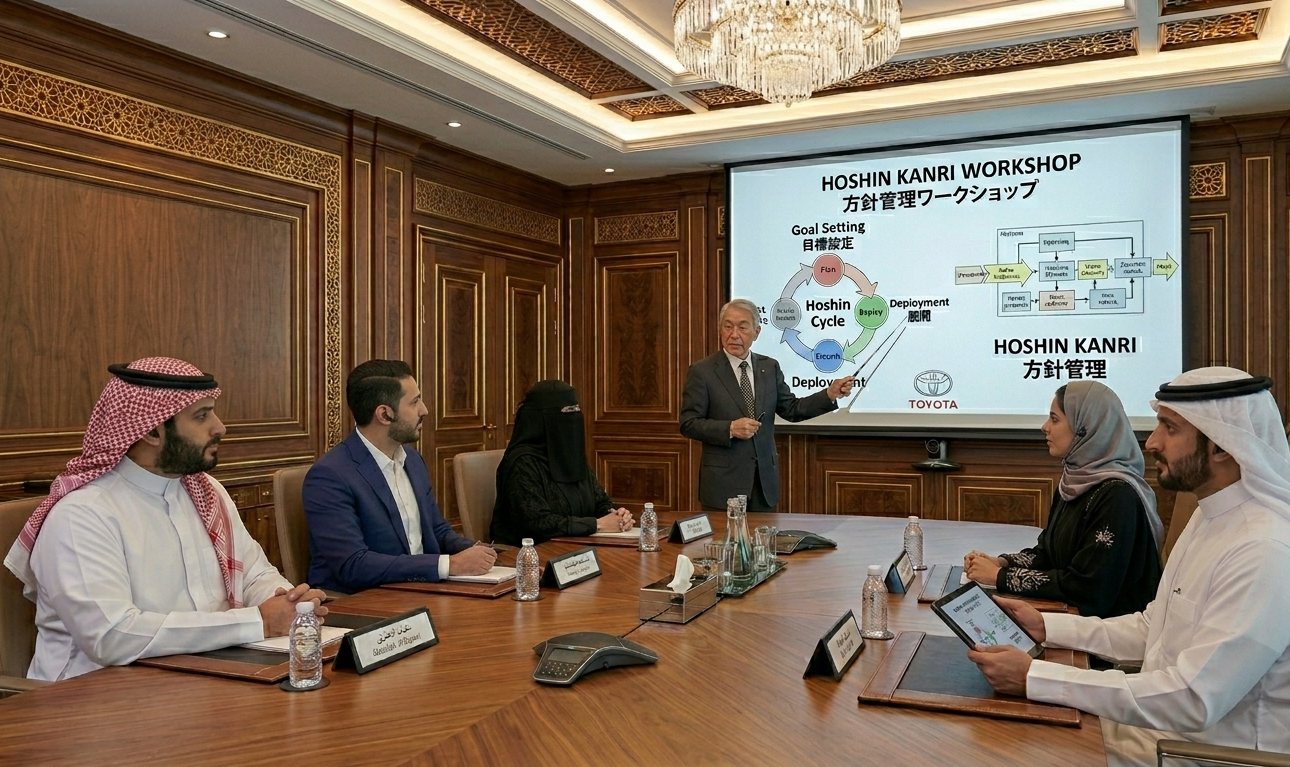
Poka-Yoke: Error-Proofing for Government & Service Sectors
Take Japan's most powerful error-prevention tool beyond the factory floor and apply it to government services, hospitals, airports, and digital workflows — eliminating human error by design, not discipline.
 Healthcare & Senior Care Technology
Open
Healthcare & Senior Care Technology
Open
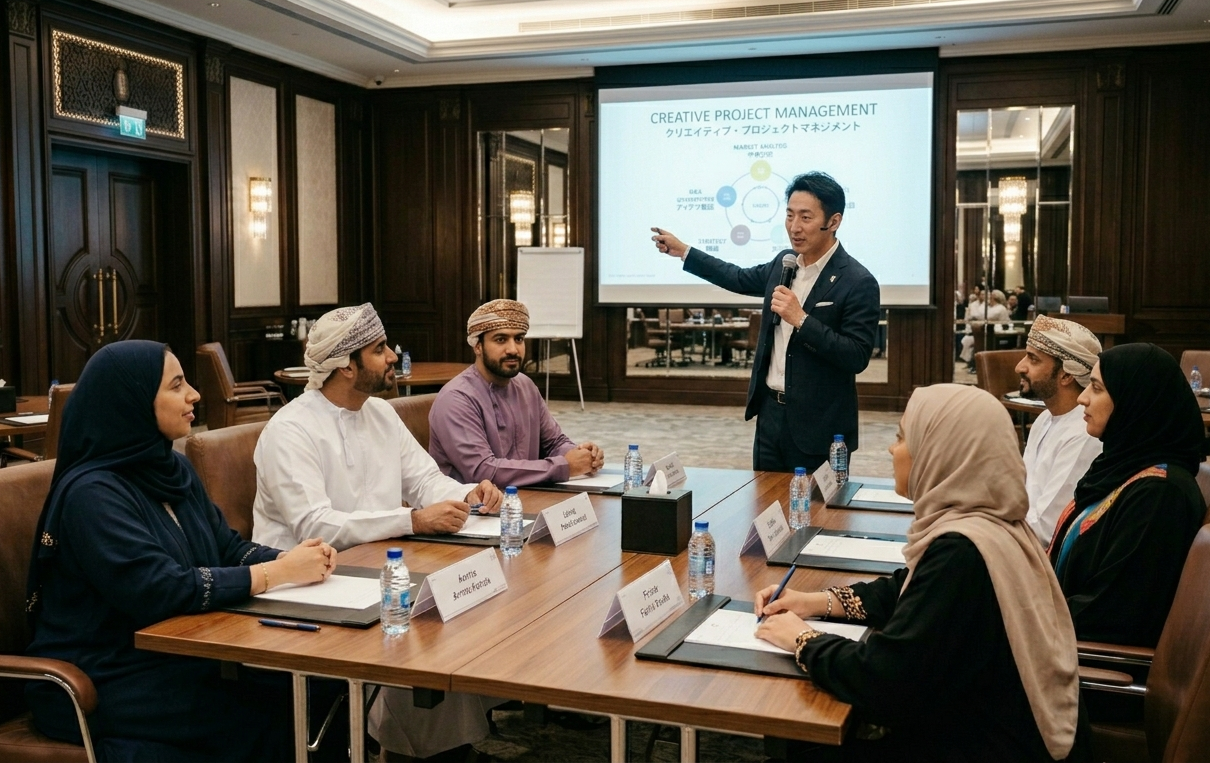
Kaigo: Japanese Elderly Care System & Applications in Gulf Communities
Japan became the world first super-aged society and built the Kaigo system to make ageing dignified, affordable, and community-based. Learn it in Tokyo and adapt it to Gulf communities.
 Disaster Management & Resilience
Open
Disaster Management & Resilience
Open
Japanese Early Warning UrEDAS & Preventive Technologies
Seconds before an earthquake, Japan's UrEDAS system detects the first seismic wave and automatically stops trains, elevators, and industrial lines — saving lives and infrastructure worth billions. Learn exactly how.