
 Management & Leadership
Open
Management & Leadership
Open
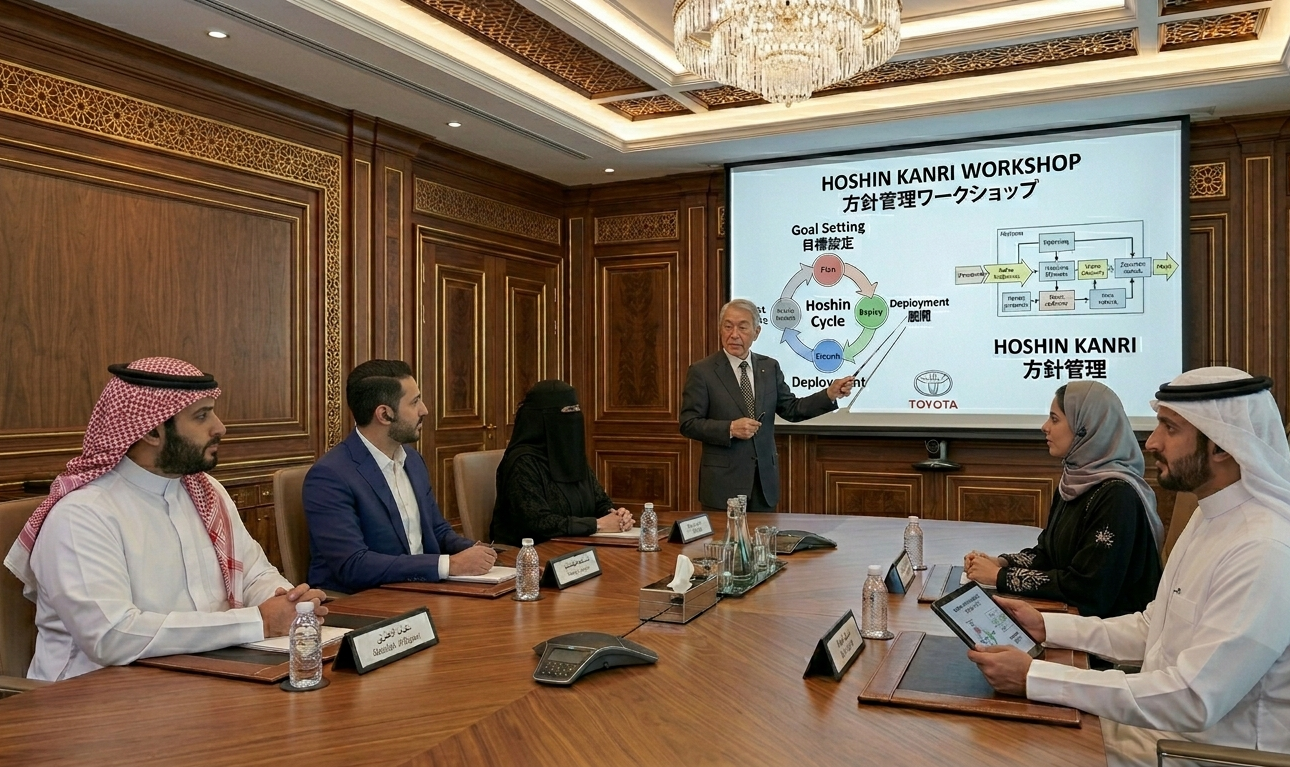
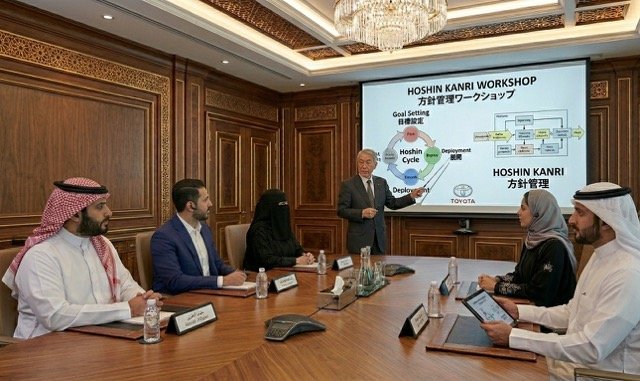
Hoshin Kanri: From Vision to Daily Action
Apply the Japanese policy-deployment methodology to cascade top-level goals into daily accountable tasks at every organisational level — the system that powers Toyota, Honda, and Bridgestone.
 Management & Leadership
Open
Management & Leadership
Open
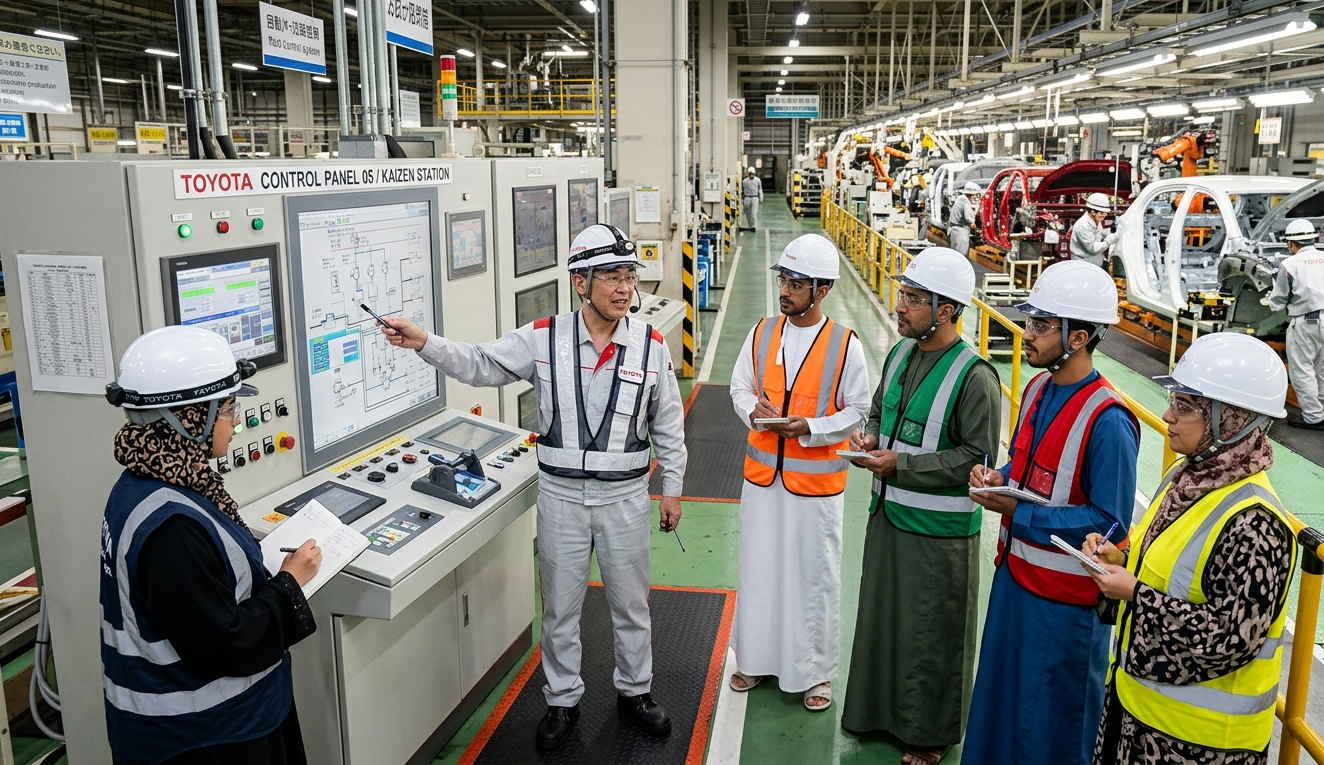
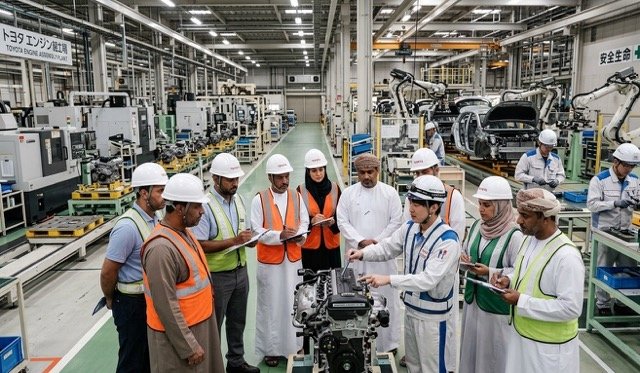
Toyota Way Leadership: The 14 Principles in Practice
A deep immersion in the 14 principles of the Toyota Way — long-term thinking, employee and supplier development, and Genchi Genbutsu — experienced directly at Toyota City headquarters.
 Management & Leadership
Open
Management & Leadership
Open
Nemawashi & Ringi: Consensus Building & Group Decision-Making
Master the invisible backbone of Japanese corporate decision-making — the Nemawashi consensus-preparation system and the Ringi formal approval process — to eliminate conflict and accelerate high-stakes decisions.
 Management & Leadership
Open
Management & Leadership
Open
Organisational Ikigai: Building a Purpose-Driven Culture
Transform your organisation's retention and engagement crisis using Japan's most profound wellbeing philosophy — Ikigai — experienced in Okinawa, the world's longest-living community.
 Management & Leadership
Open
Management & Leadership
Open
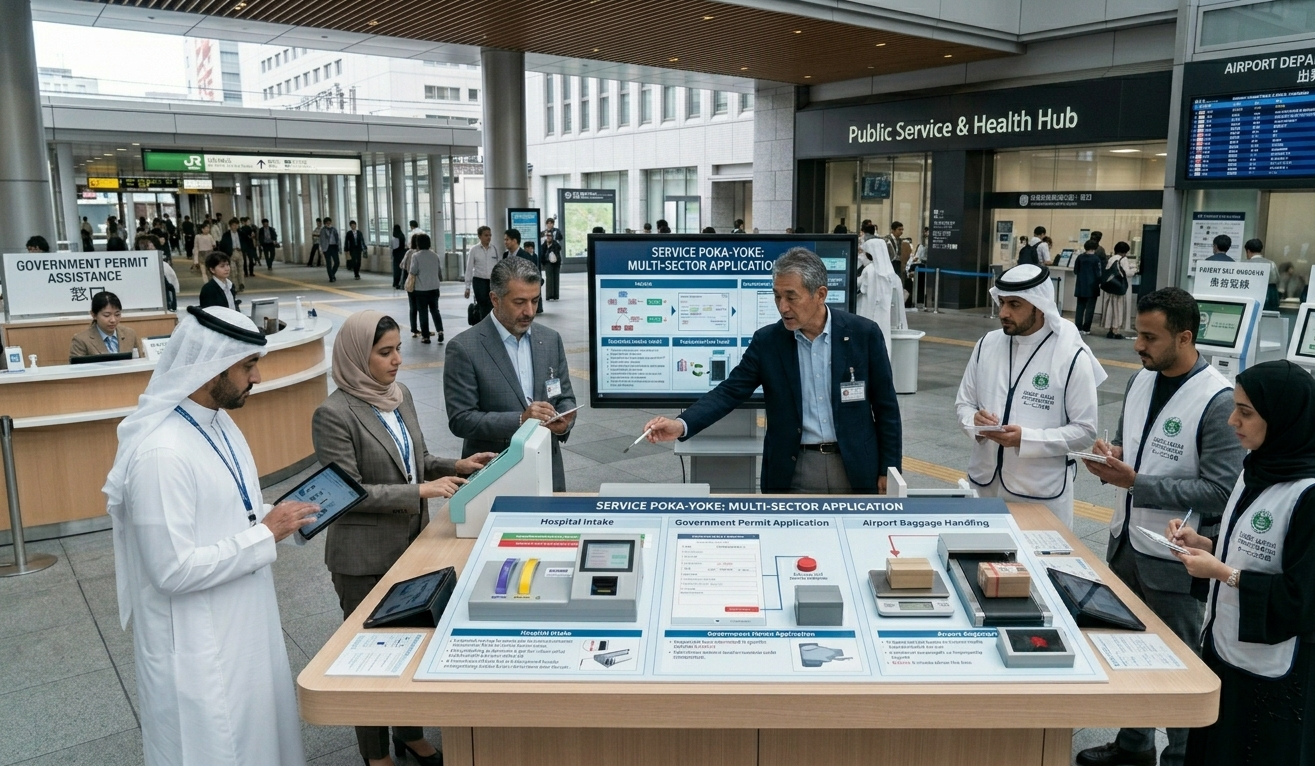
Ho-Ren-So: Japanese Corporate Communication & Crisis Prevention
Build an organisation where bad news travels up immediately, decisions are never a surprise, and information crises become structurally impossible — using Japan's timeless Ho-Ren-So communication discipline.
 Management & Leadership
Open
Management & Leadership
Open
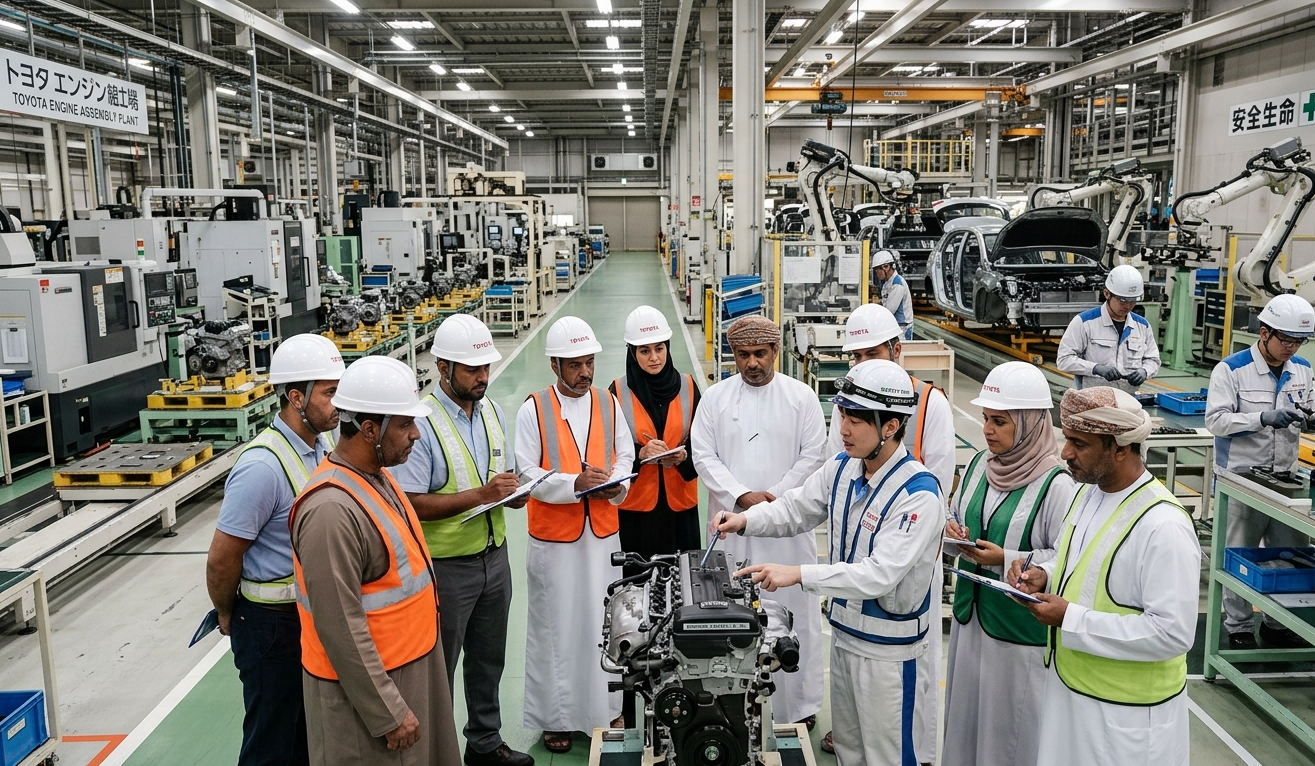
Keiretsu: Japanese Business Networks for Emerging Economies
Study Japan's legendary Keiretsu industrial network model — the architecture behind Mitsubishi, Sumitomo, and Toyota's supply chain dominance — and extract a directly applicable blueprint for Gulf economic diversification.
 Quality & Operations
Open
Quality & Operations
Open
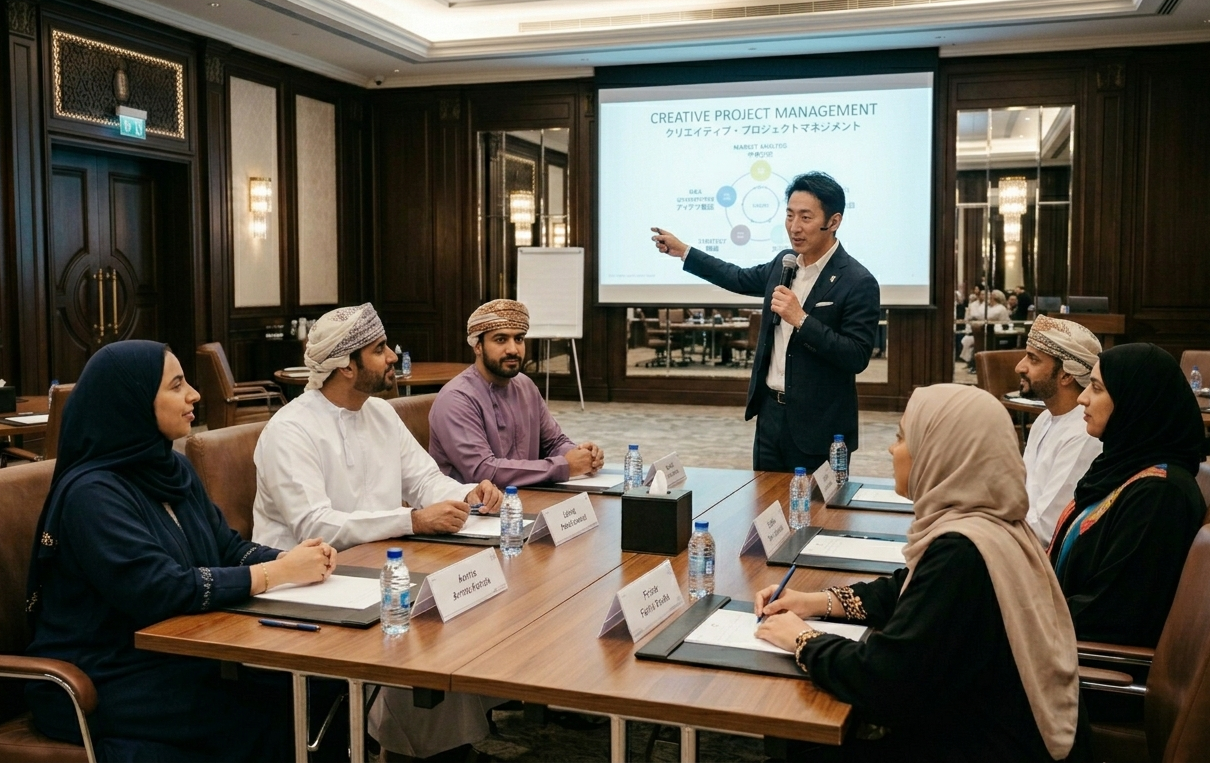
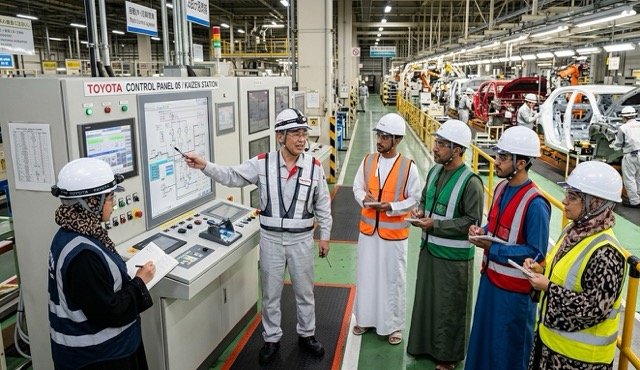
Kaizen Blitz: Intensive Improvement in Real Japanese Facilities
Compress months of process improvement into five intense days on a real Japanese factory floor — leaving with measurable results, a replicable methodology, and the confidence to lead Kaizen Blitz events independently.
 Quality & Operations
Open
Quality & Operations
Open
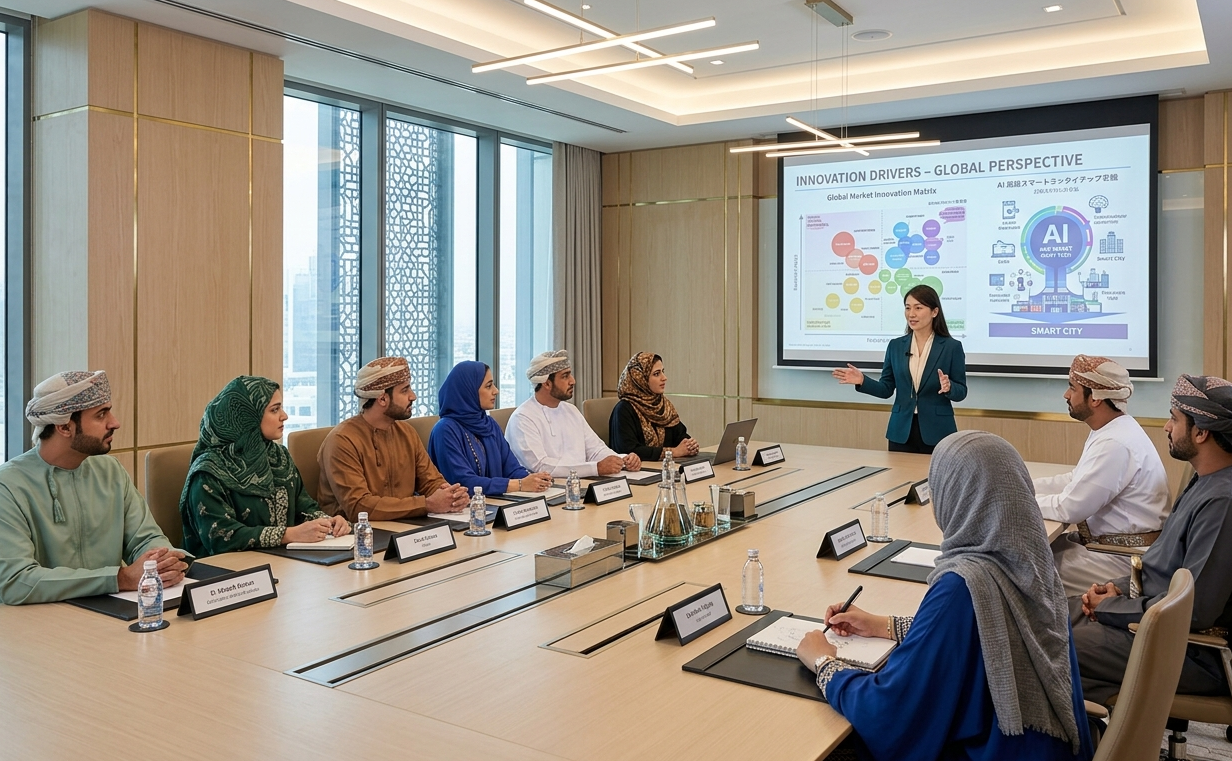
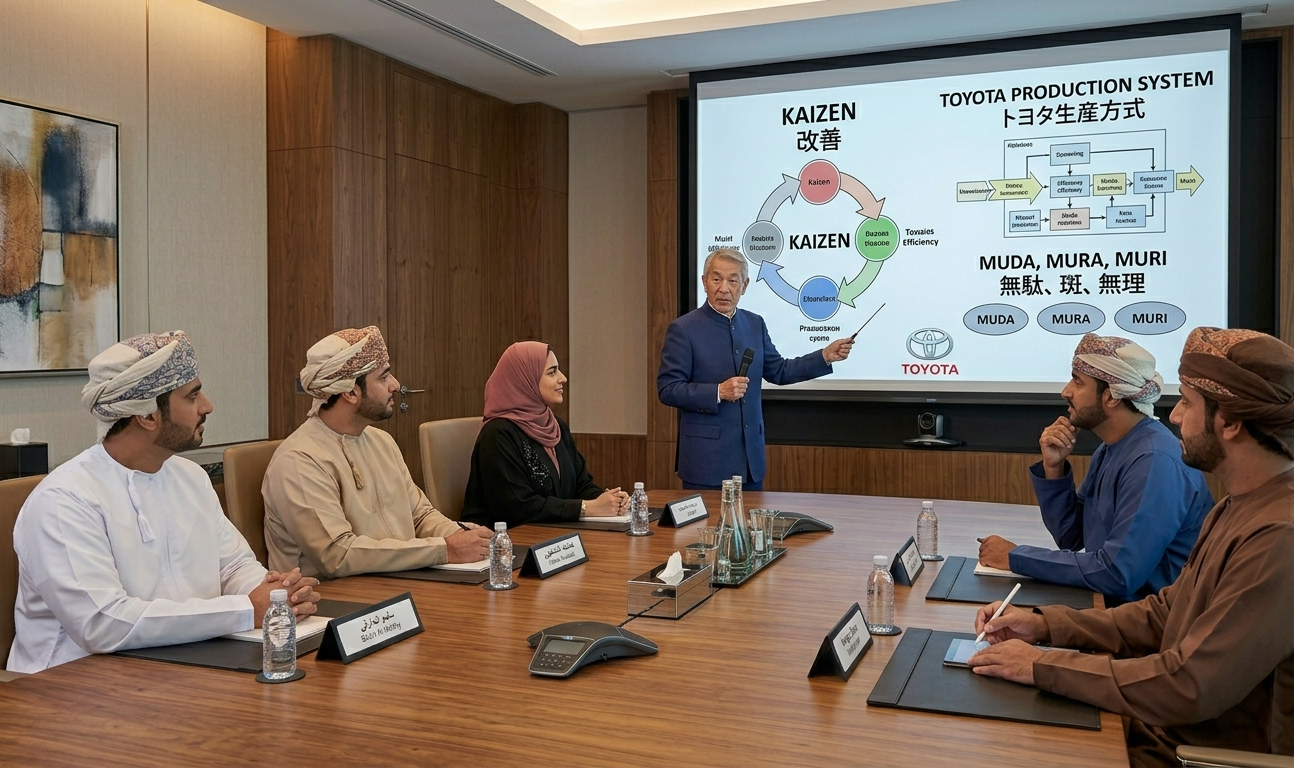
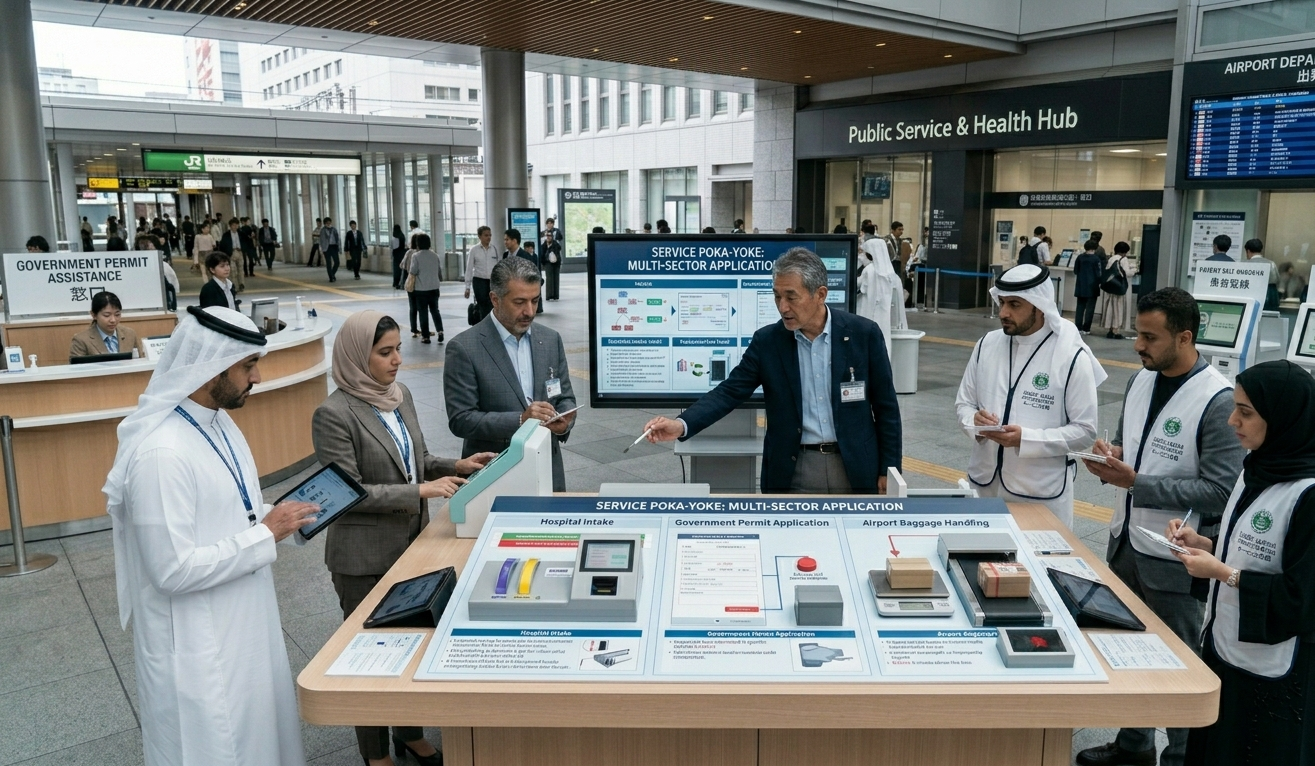
Poka-Yoke: Error-Proofing for Government & Service Sectors
Take Japan's most powerful error-prevention tool beyond the factory floor and apply it to government services, hospitals, airports, and digital workflows — eliminating human error by design, not discipline.
 Quality & Operations
Open
Quality & Operations
Open
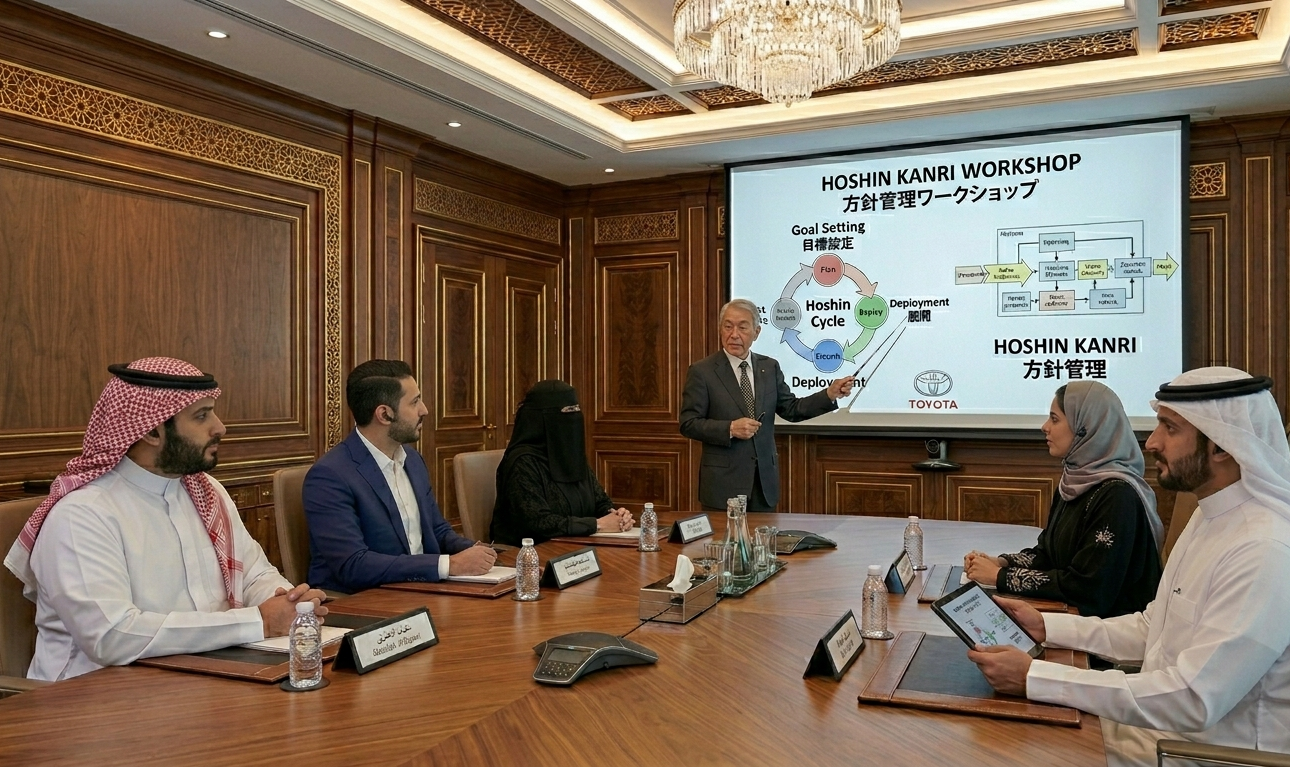
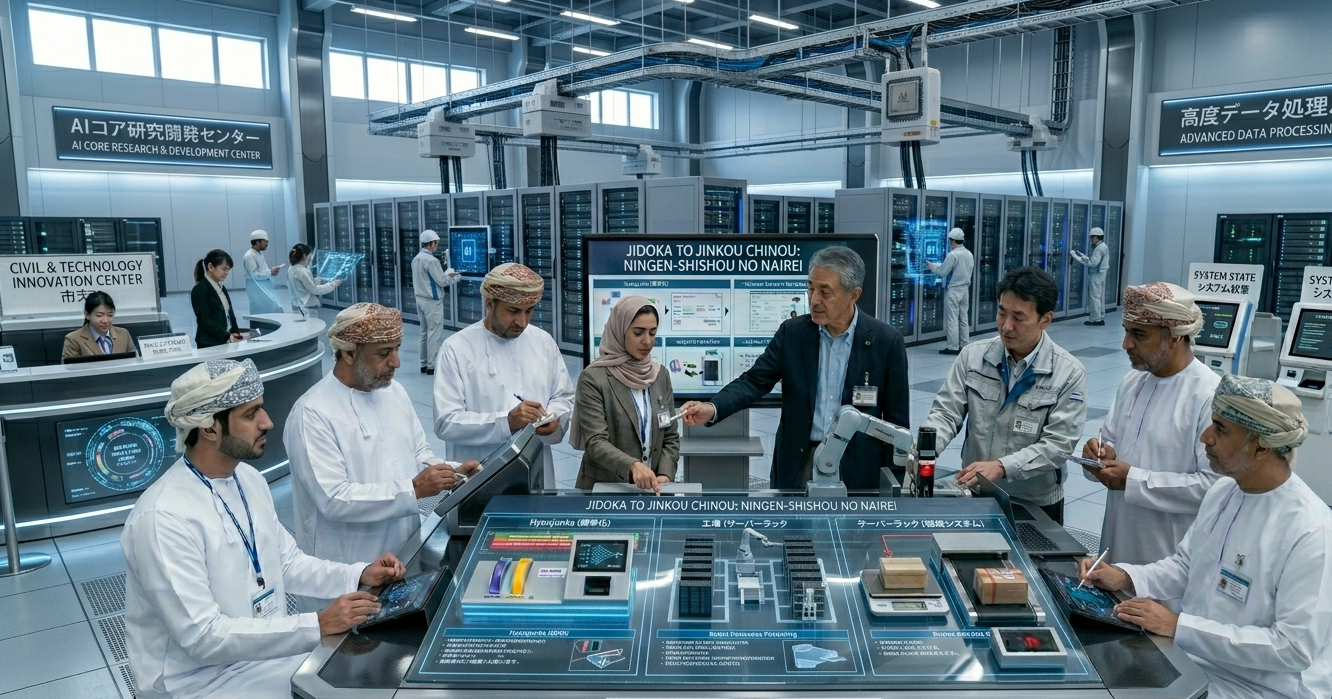
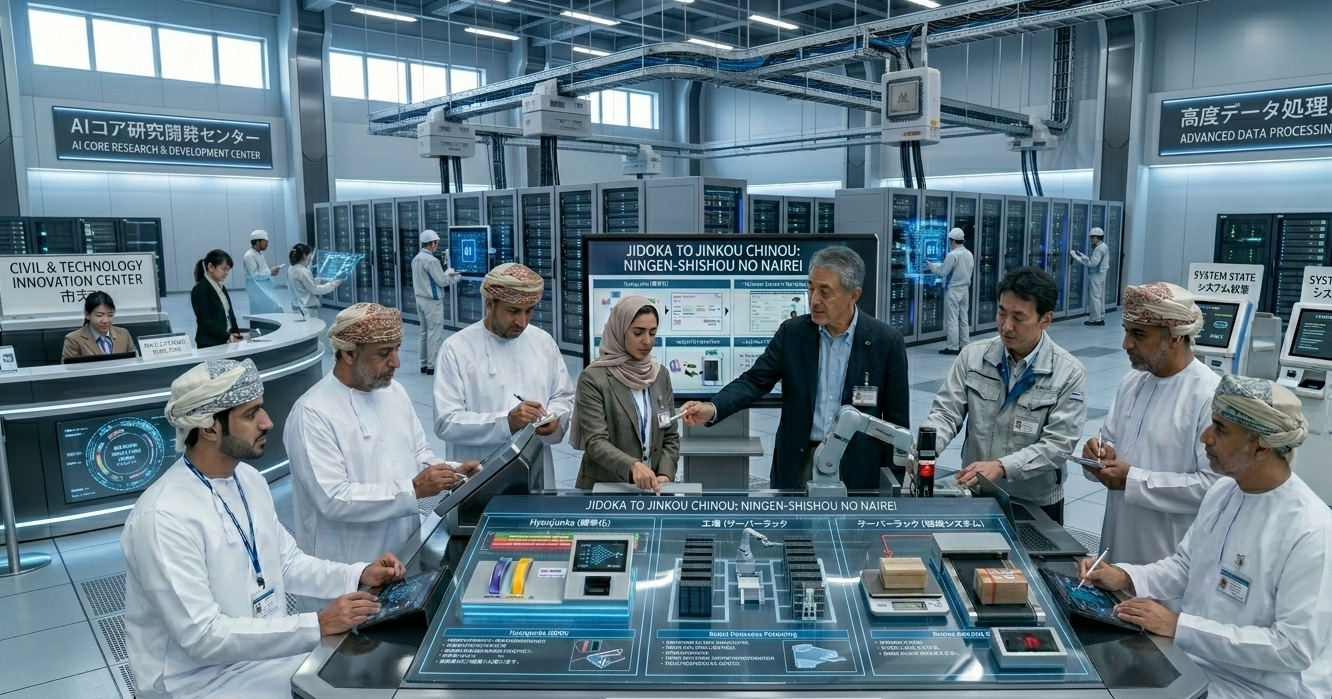
Jidoka in the Automation Age: AI with a Japanese Human-Centred Spirit
Master Japan's answer to the AI age: Jidoka — the principle that automation must detect, stop, and alert, keeping human judgment permanently at the centre of every intelligent system.
 Quality & Operations
Open
Quality & Operations
Open
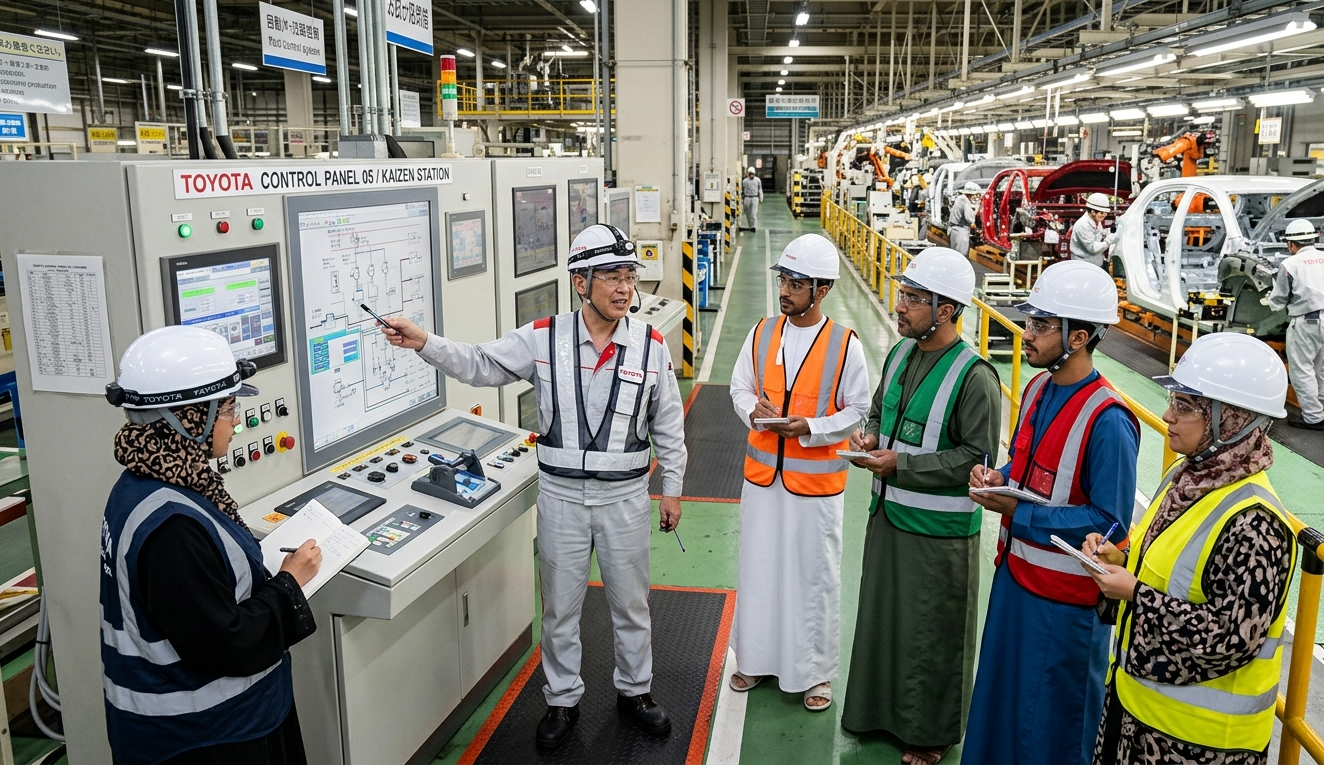
Monozukuri: Craftsmanship Philosophy & Industrial Innovation Strategy
Discover the national philosophy that made Japan the world's undisputed quality benchmark — Monozukuri, the art of making things with precision, pride, and purpose — and translate it into a durable competitive advantage for your organisation.
 Quality & Operations
Open
Quality & Operations
Open
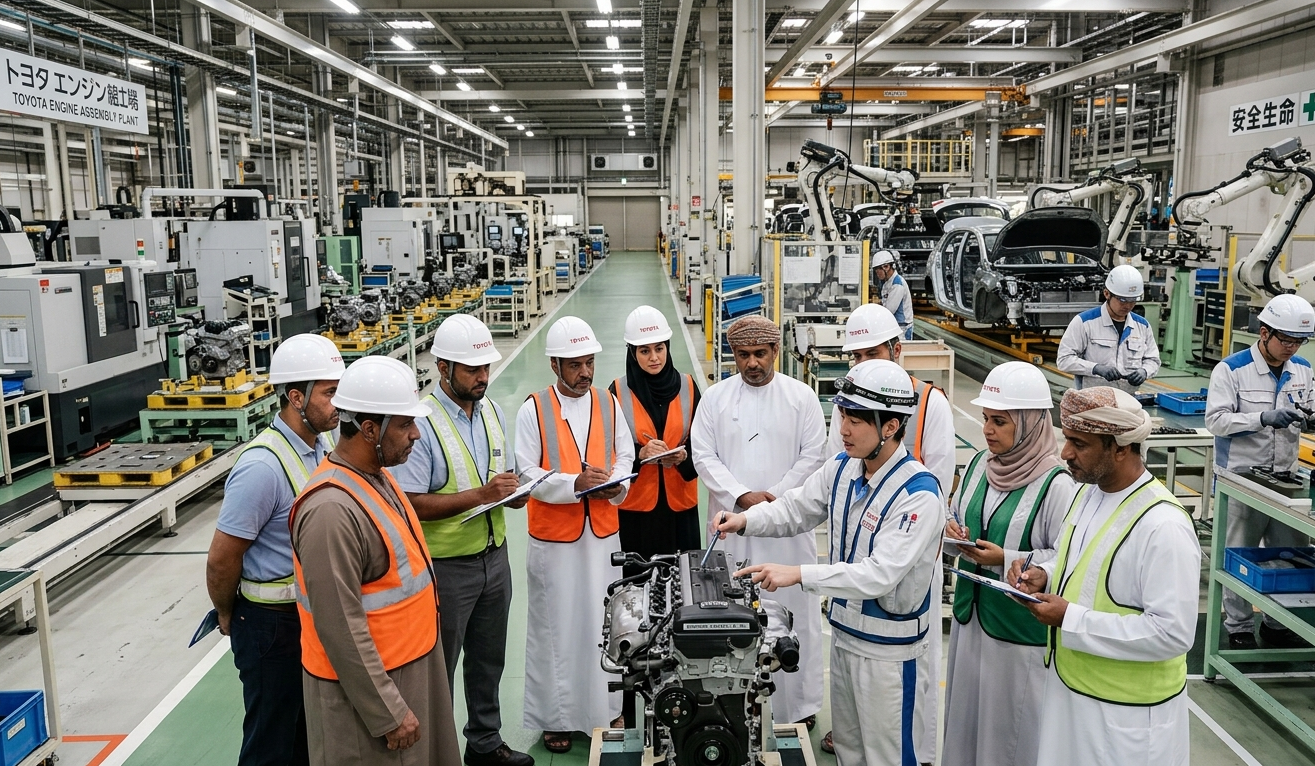
5S in Government: From Factory to Office & Public Service
Take Japan's most proven workplace discipline — 5S — out of the factory and into government ministries, hospitals, and public offices. Leave with a completed 5S audit, a structured implementation plan, and the skills to sustain it independently.
 Quality & Operations
Open
Quality & Operations
Open
Digital Kanban: From Toyota Boards to Modern Project Management
Trace Kanban from its birth on Toyota's assembly lines in 1940s Nagoya to today's digital project management boards — and design a Kanban system for your own team at the source of the methodology.
 Disaster Management & Resilience
Open
Disaster Management & Resilience
Open
Bosai Culture: Building a Resilient Society from Family to Nation
Discover how Japan — a country facing 1,500+ earthquakes per year — built the world's most resilient society, not through technology alone but through a deeply embedded national culture of preparedness called Bosai.
 Disaster Management & Resilience
Open
Disaster Management & Resilience
Open
Sendai Framework: Field Study of Post-2011 Reconstruction
Walk the coastline where 20,000 perished in 2011 and study how Japan turned that tragedy into the Sendai Framework — now the DRR standard for 187 nations.
 Disaster Management & Resilience
Open
Disaster Management & Resilience
Open
Anti-Seismic Engineering: Base Isolation & Resilient Construction
Learn from the nation that perfected earthquake-resistant construction — Japan's base isolation systems, tuned mass dampers, and seismic standards that kept Tokyo's skyscrapers standing through thousands of earthquakes.
 Disaster Management & Resilience
Open
Disaster Management & Resilience
Open
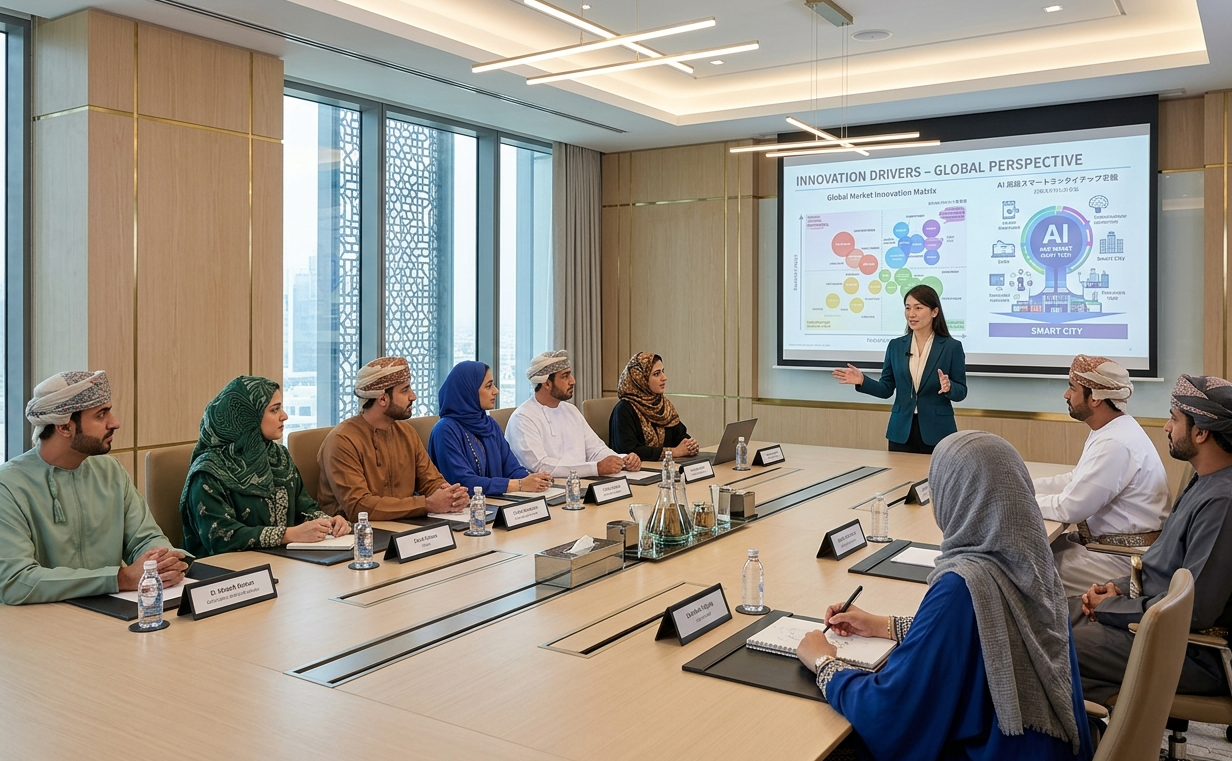
Japanese Early Warning UrEDAS & Preventive Technologies
Seconds before an earthquake, Japan's UrEDAS system detects the first seismic wave and automatically stops trains, elevators, and industrial lines — saving lives and infrastructure worth billions. Learn exactly how.
 Disaster Management & Resilience
Open
Disaster Management & Resilience
Open
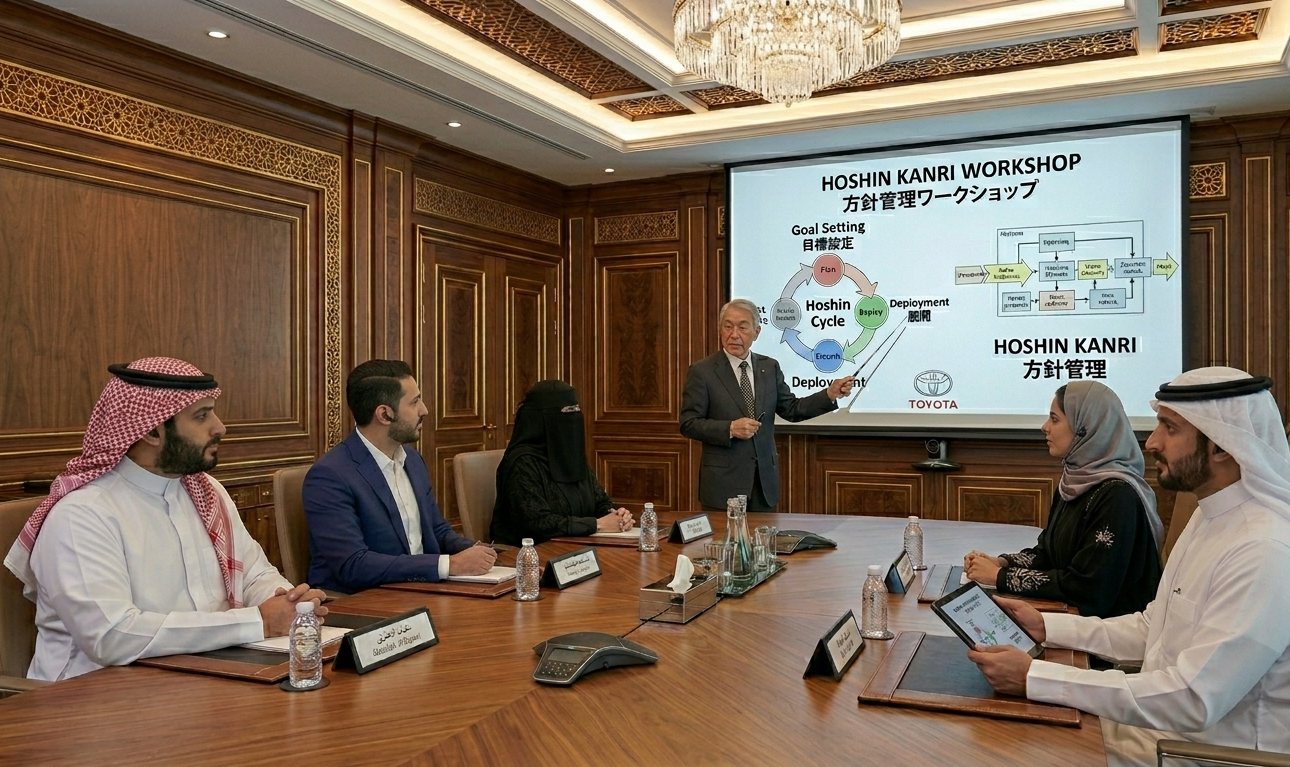
Japanese BCP Model: Businesses That Never Stopped Despite Disaster
Toyota restored production in 10 days after the 2011 earthquake. Nippon Steel in 14. Learn the Japanese BCP framework that turns disaster response into competitive advantage — and build one for your organisation.
 Healthcare & Senior Care Technology
Open
Healthcare & Senior Care Technology
Open
Kaigo: Japanese Elderly Care System & Applications in Gulf Communities
Japan became the world first super-aged society and built the Kaigo system to make ageing dignified, affordable, and community-based. Learn it in Tokyo and adapt it to Gulf communities.
 Healthcare & Senior Care Technology
Open
Healthcare & Senior Care Technology
Open
Healthcare Robots: PARO, HAL & Robear in the Future of Care
Touch the future of care in Tsukuba: PARO the therapeutic seal for dementia, HAL the exoskeleton that restores movement, and Robear the bear that lifts patients. Then design your own robotics pilot.
 Healthcare & Senior Care Technology
Open
Healthcare & Senior Care Technology
Open
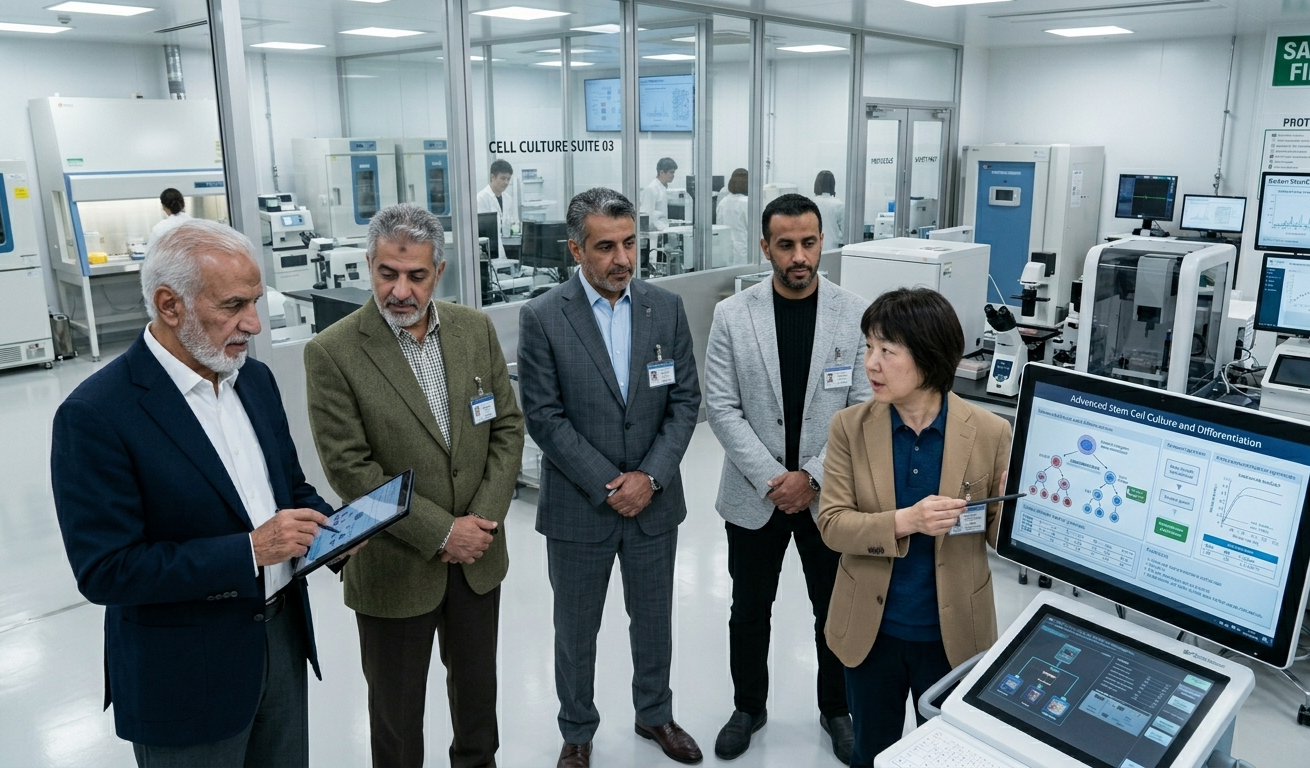
Regenerative Medicine & Stem Cells: Japan Leading the Next Medical Revolution
In Kyoto, learn how Japan turned Nobel Prize-winning iPS cell science into approved therapies for blindness and paralysis, and build a regenerative medicine roadmap for your country.
 Healthcare & Senior Care Technology
Open
Healthcare & Senior Care Technology
Open
AI in Early Diagnosis: Hitachi & Fujifilm Models
Japanese AI systems now detect cancers and chronic diseases earlier than human specialists alone. Learn from Hitachi and Fujifilm in Tokyo and build an AI diagnostic roadmap for your hospital.
 Healthcare & Senior Care Technology
Open
Healthcare & Senior Care Technology
Open
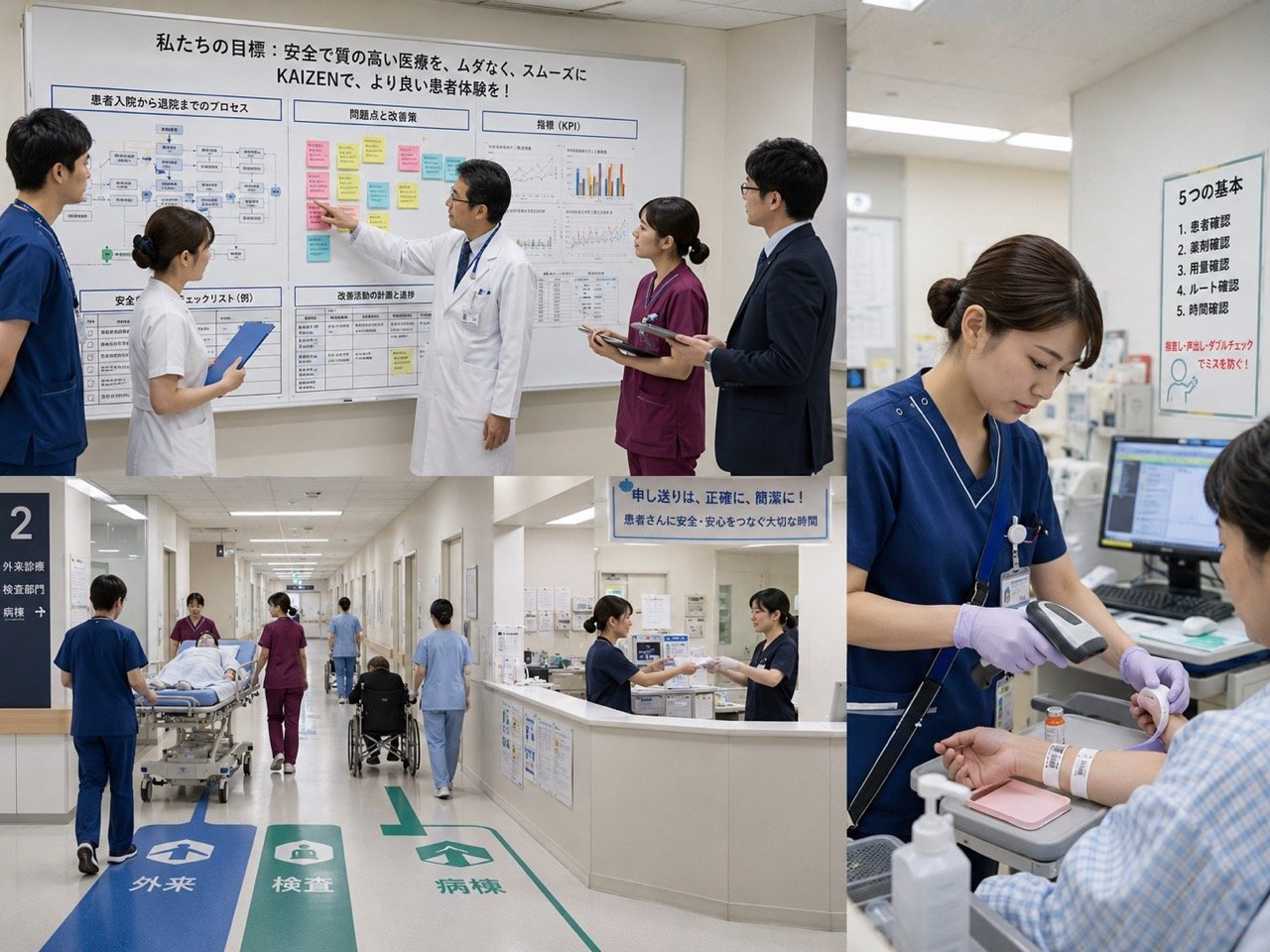
Kaizen in Hospitals: Continuous Improvement in Patient Pathways
Japanese hospitals cut waiting times by 60% and medication errors by 80% using Kaizen. Learn the TPS-based hospital improvement system in Tokyo and launch your own project.
 Smart Agriculture & Food Security
Open
Smart Agriculture & Food Security
Open
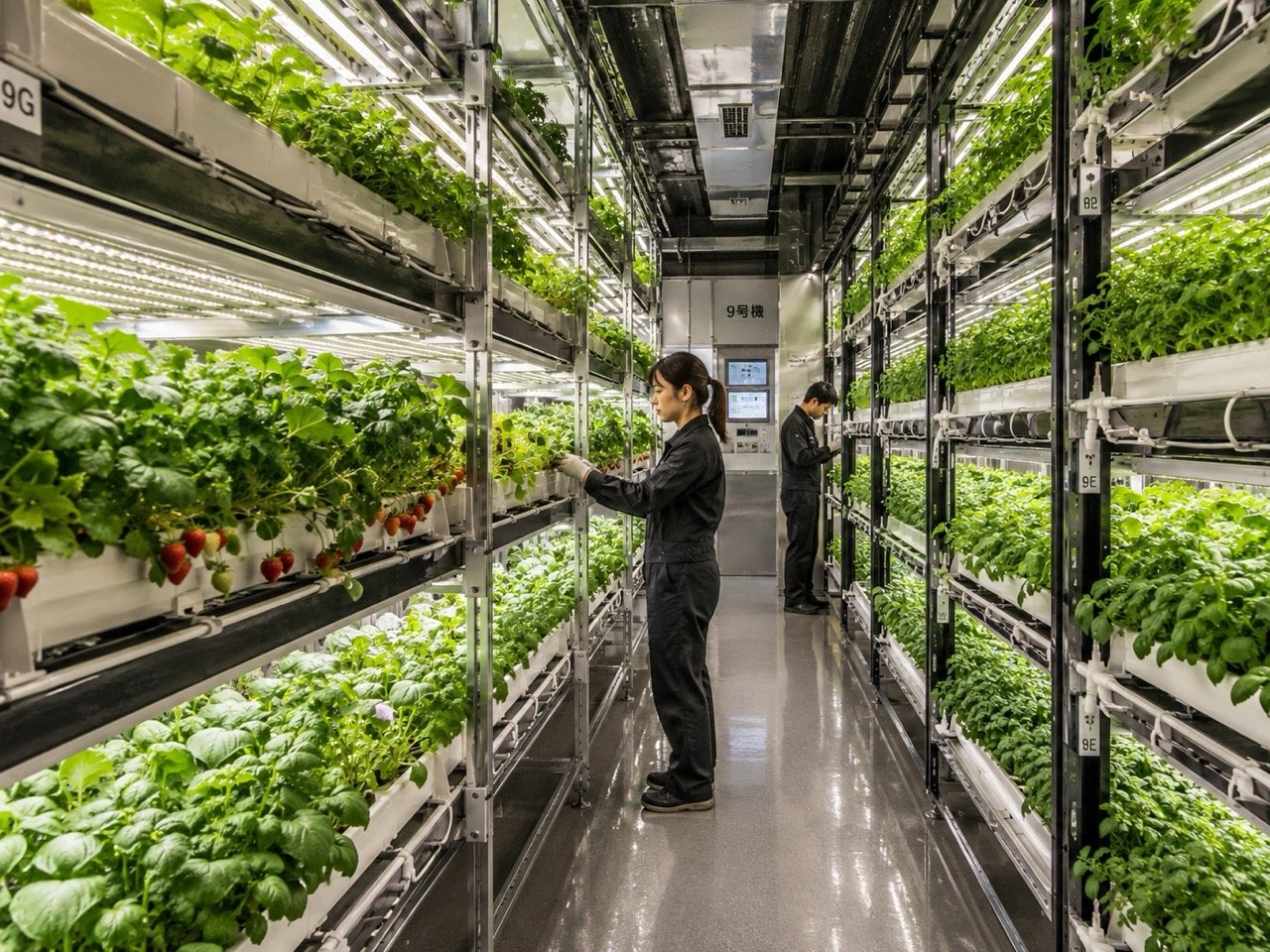
Japanese Vertical Farming: Intensive Production in Limited Spaces
Japan grows vegetables in climate-controlled factories using 99% less water than open-field farming. Visit Chiba to learn the plant-factory system and design a desert-farming pilot for the Gulf.
 Smart Agriculture & Food Security
Open
Smart Agriculture & Food Security
Open
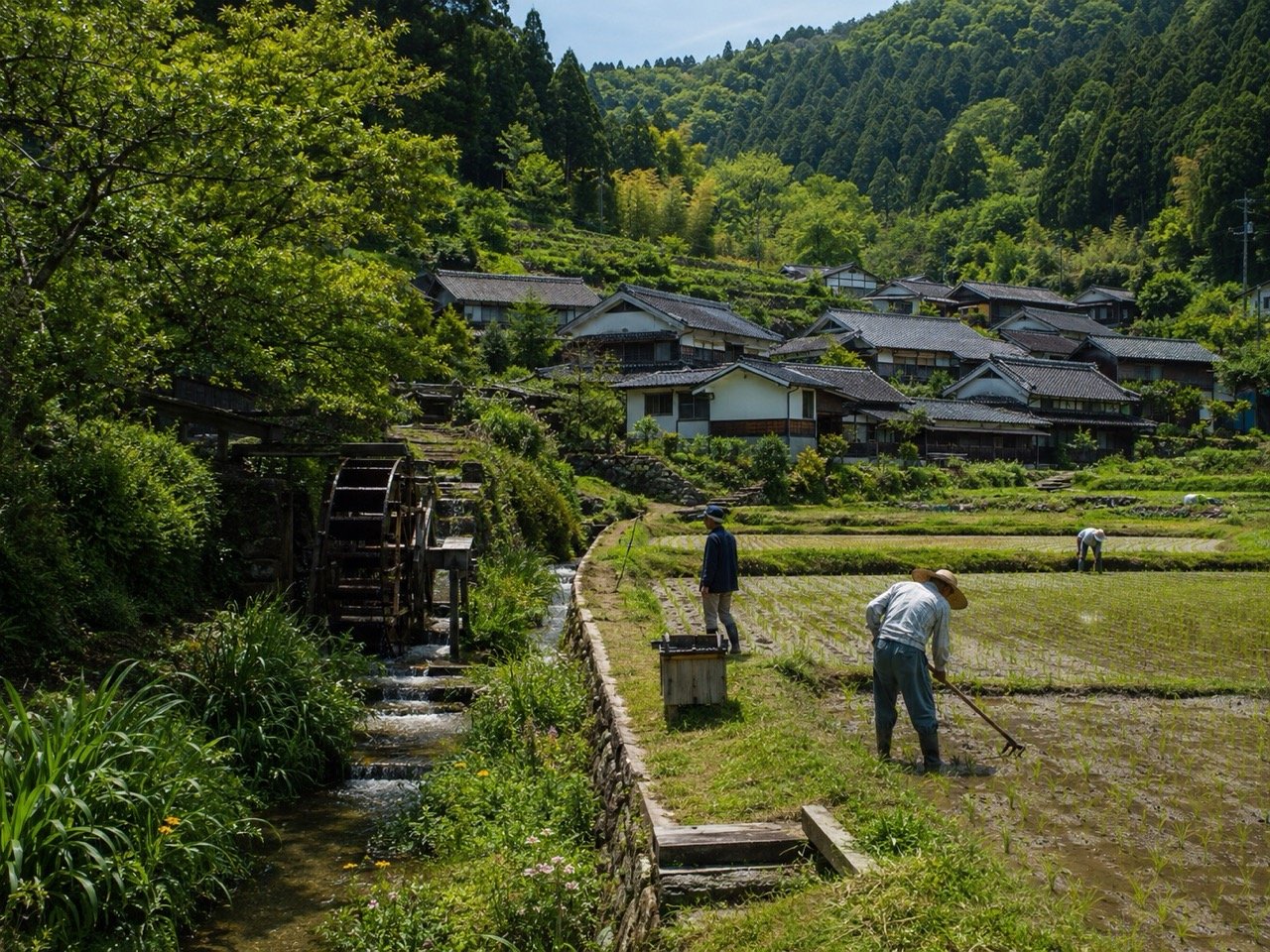
Satoyama: Balanced Agriculture Philosophy & Rural Planning Applications
Satoyama landscapes blend forests, rice paddies, and villages into a sustainable land-use system recognised by UNESCO. Visit Kyoto to learn how this model can inspire rural development and food security in your country.
 Smart Agriculture & Food Security
Open
Smart Agriculture & Food Security
Open
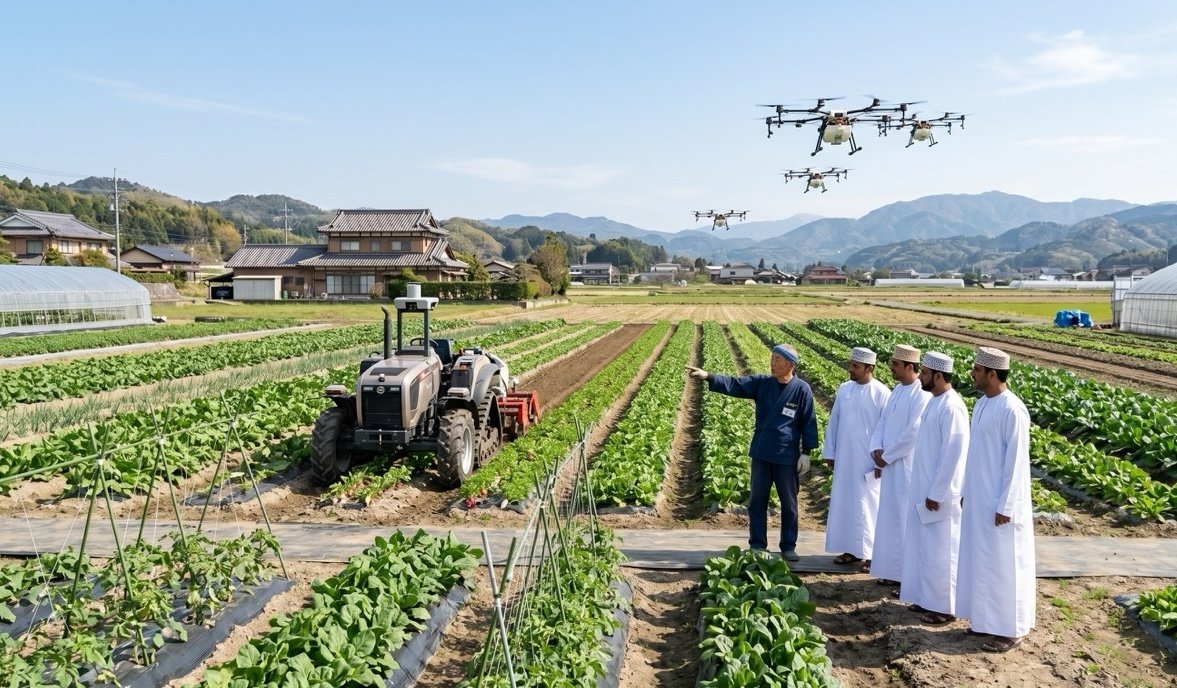
Harvest Robots & Automated Agriculture: Japan Response to Aging Farmers
Japan average farmer is over 67. The country is automating agriculture to survive. Visit Nagoya to see self-driving tractors, strawberry robots, and harvest arms — then design your own agri-automation plan.
 Smart Agriculture & Food Security
Open
Smart Agriculture & Food Security
Open
Japanese Cold Chain Management: Zero Waste & Food Security
Japan wastes less food than almost any country. Learn the cold-chain, smart packaging, and traceability systems behind it — and design a national food-loss reduction plan.
 Infrastructure & Engineering
Open
Infrastructure & Engineering
Open
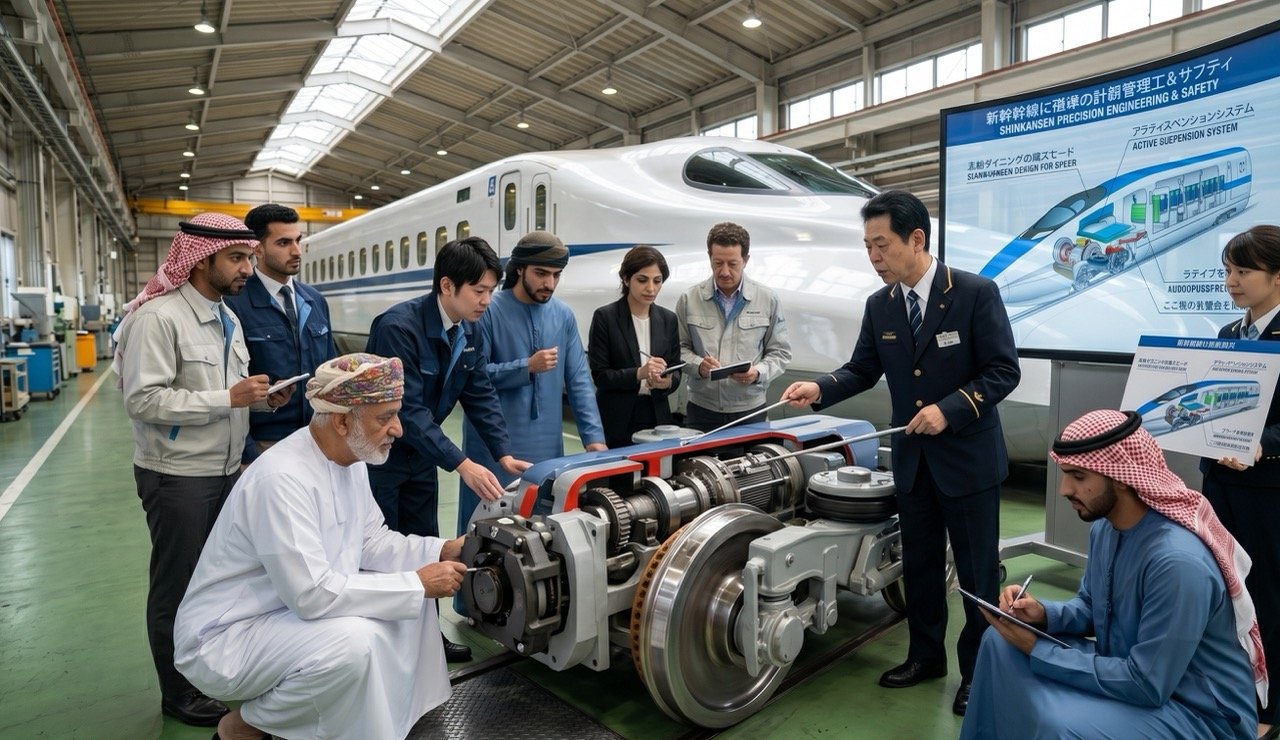
Shinkansen: Precision & Safety Engineering in the Fastest Rail Lines
Not just the train — the managerial, engineering, and operational system that keeps the Shinkansen arriving within 36 seconds over six decades with zero passenger fatalities from operations.
 Infrastructure & Engineering
Open
Infrastructure & Engineering
Open
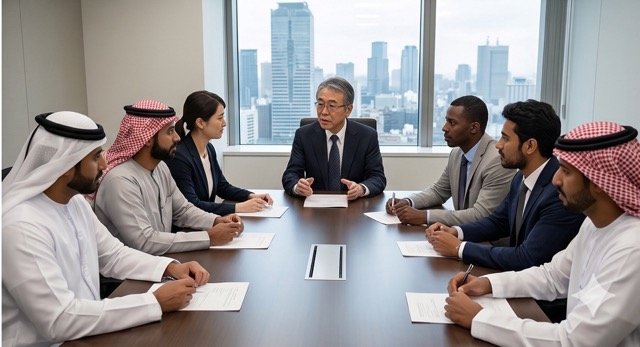
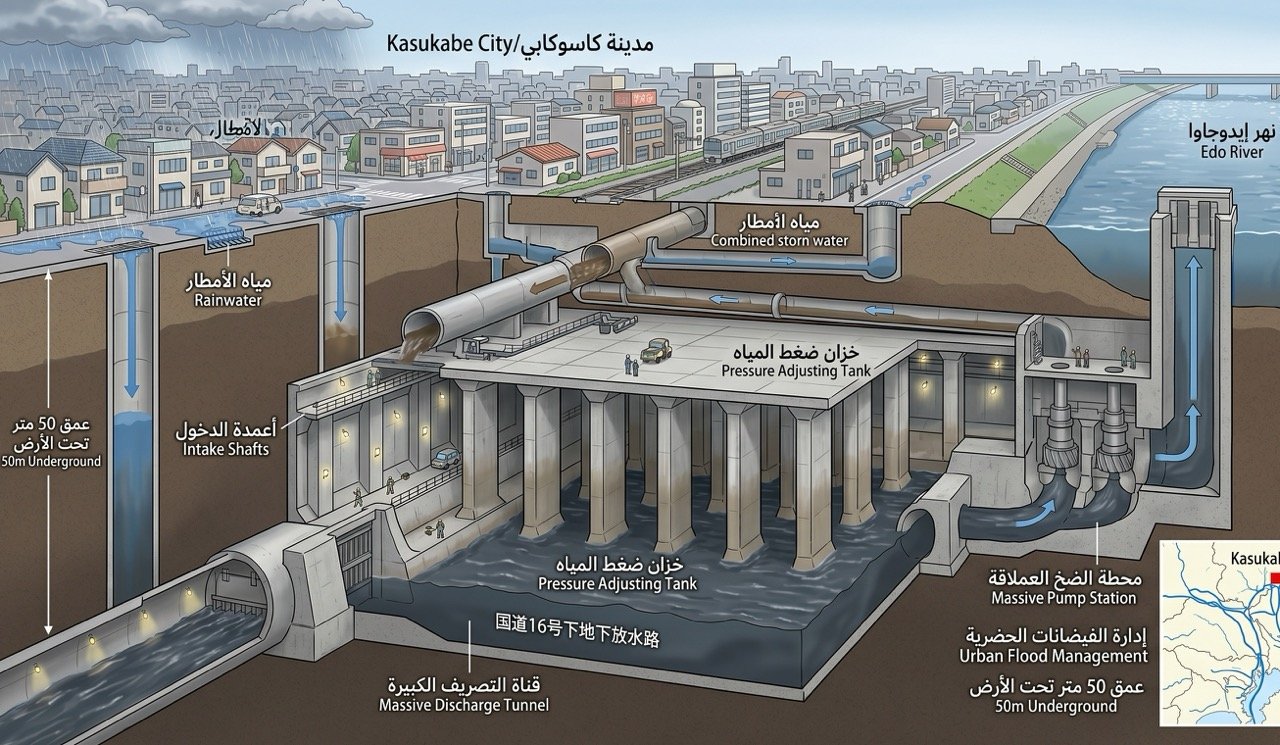
Underground Sewage Systems: Kasukabe Project & Urban Flood Management
Visit the Metropolitan Outer Underground Discharge Channel in Kasukabe — the world largest flood-control tunnel — and study how Tokyo manages urban flooding through invisible mega-infrastructure.
 Infrastructure & Engineering
Open
Infrastructure & Engineering
Open
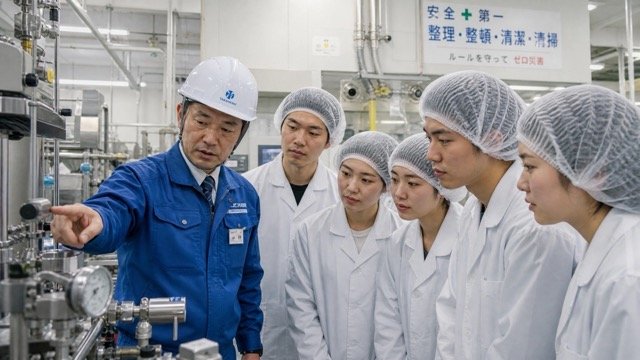
Japanese Future Cities: Smart City from Woven City to Kashiwa-no-ha
Japan experience building smart cities from scratch — Woven City built by Toyota as a self-contained integrated city model, with direct lessons for Gulf mega-city projects.
 Infrastructure & Engineering
Open
Infrastructure & Engineering
Open
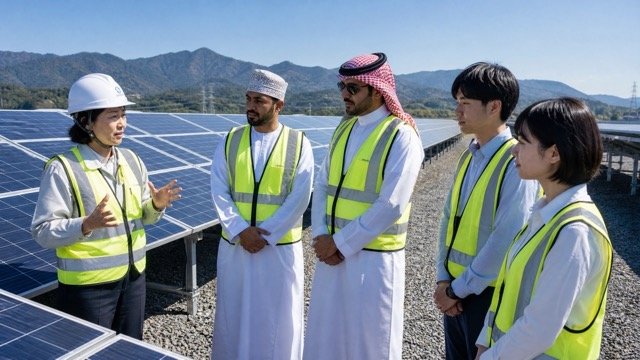
Tunnel Engineering in Seismic Environments & Soft Soil
Japan unique technologies for tunnelling in soft soil and high-seismic environments — engineering solutions unmatched anywhere else.
 Innovation & Technology
Open
Innovation & Technology
Open
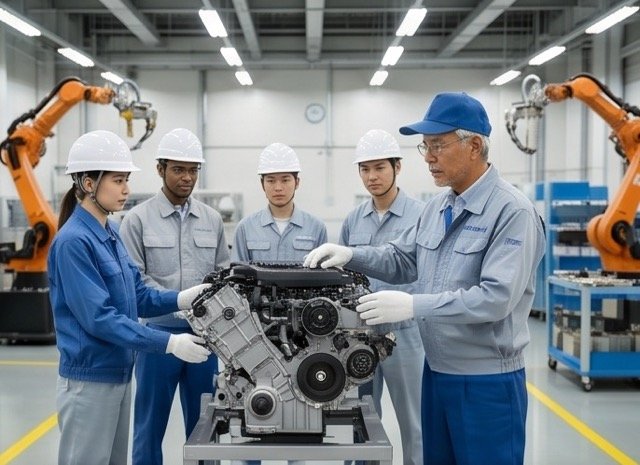
Japanese Incremental Innovation: Why Japan Makes the Best, Not the First
The philosophy that made Japan masters of incremental accumulated development — building on first inventions to produce the best through hundreds of systematic small iterations.
 Innovation & Technology
Open
Innovation & Technology
Open
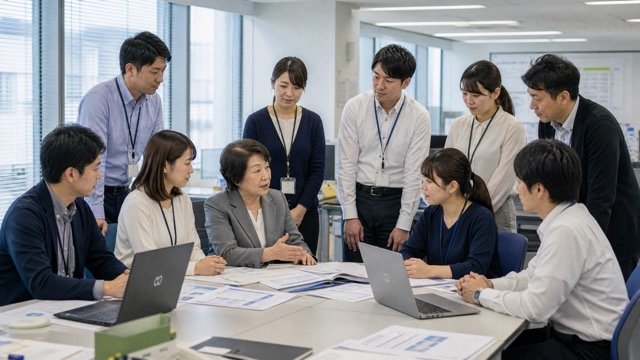
Society 5.0: Japan Vision for a Post-Digital Society
The Japanese Society 5.0 framework placing humans at the centre of technology — a vision that goes beyond digitalisation towards a society solving major civilisational challenges with AI and data.
 Innovation & Technology
Open
Innovation & Technology
Open
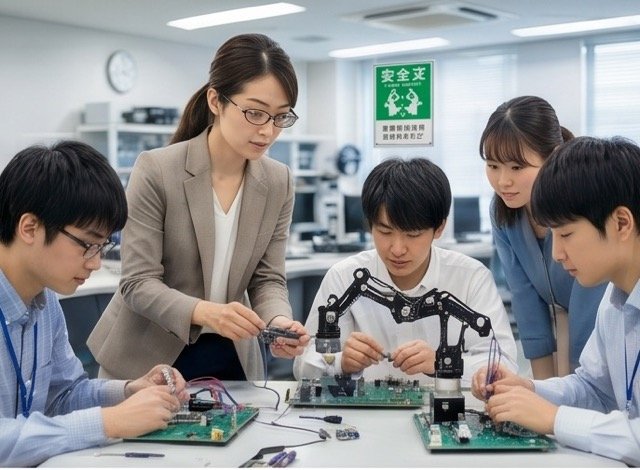
HAL Exoskeleton: From Medical Therapy to Industry
Study HAL technology from Cyberdyne Japan and its applications in neurological rehabilitation, factory worker assistance, and support for the elderly.
 Innovation & Technology
Open
Innovation & Technology
Open
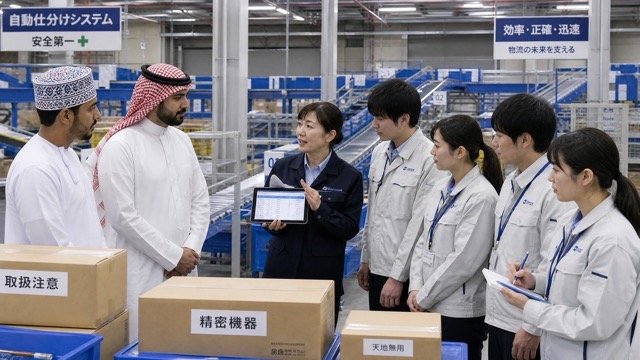
Gemba Leadership: Decisions from the Field, Not the Office
Genchi Genbutsu as a deep leadership methodology — how Japanese managers make decisions based on visible reality rather than reports, with field application in real Japanese facilities.
 Law & Governance
Open
Law & Governance
Open
Japanese Legal System: Rule of Law in the Asian Context
How Japan merged Western legal heritage with Asian values to build a legal system achieving rare societal stability — with practical lessons for legislative reform in Gulf states.
 Law & Governance
Open
Law & Governance
Open
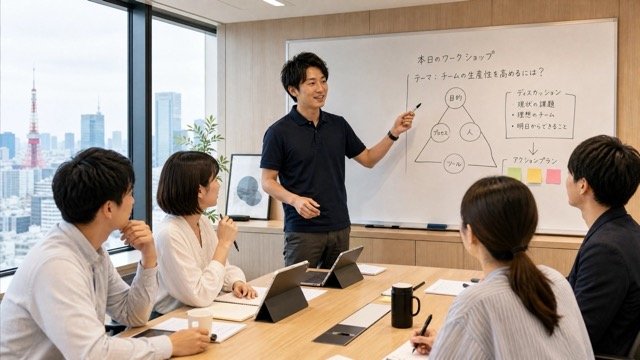
Japanese Corporate Compliance: Building a Culture, Not a Penalty System
Why compliance in Japan is an embedded culture not a checklist — how Japanese companies build internal control systems operating on collective self-discipline.
 Law & Governance
Open
Law & Governance
Open
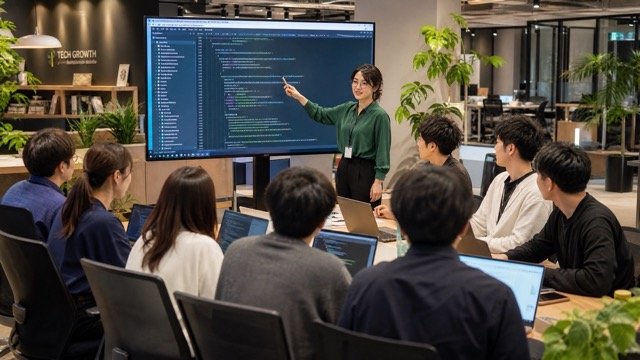
Intellectual Property Law & Innovation: How Japan Protects Its Technical Edge
Japan patent and trade-secret protection system that enables companies to invest in R&D with confidence — lessons for Gulf business environments building a knowledge economy.
 Trade & Industry
Open
Trade & Industry
Open
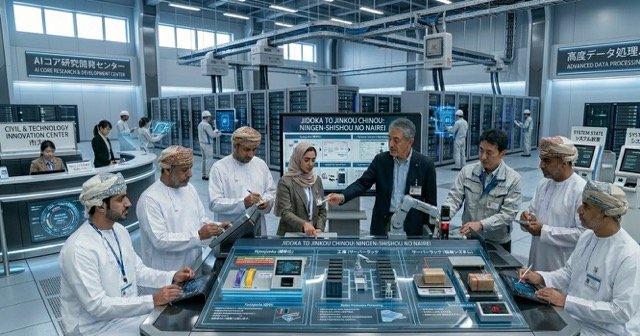
Sogo Shosha: The Japanese General Trading Company Model
How companies like Mitsubishi Corporation and Mitsui manage trade covering every sector on every continent — a unique model in capitalism with direct lessons for Gulf economic diversification.
 Trade & Industry
Open
Trade & Industry
Open
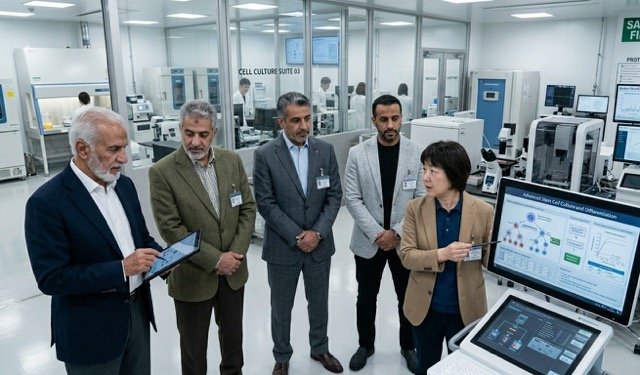
Vertical Value Chains: Interlocking Industrial Networks & National Economy Lessons
Study the vertical Keiretsu as a model for building a nationally integrated industry with high local content and resilience to external disruptions — applied lessons for Gulf localisation policies.
 Trade & Industry
Open
Trade & Industry
Open
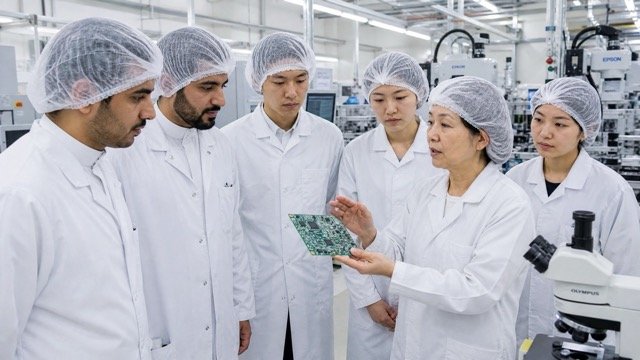
Kodawari: The Philosophy of Perfection in Consumer Product Manufacturing
The Japanese self-commitment to perfection that makes consumers trust Japanese products without hesitation — and how to build this internal standard in a modern organisation.
 Environment & Energy
Open
Environment & Energy
Open
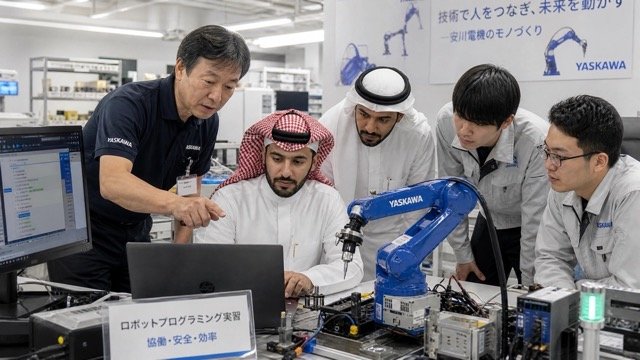
Mottainai: Japanese Zero-Waste Philosophy & Circular Economy Applications
Mottainai — a single word that encapsulates a complete national strategy for honouring resources and refusing waste — translated into circular economy policies, legislation, and industrial standards.
 Environment & Energy
Open
Environment & Energy
Open
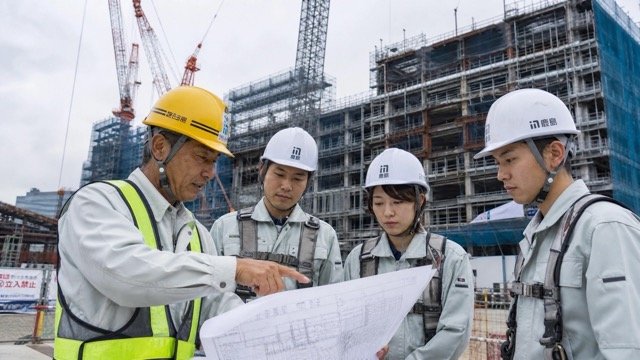
Kitakyushu: From Pollution City to Global Sustainability Capital
Kitakyushu journey from Japan most polluted city in the 1960s to a UN model for environmental transformation — with field visits to sustainability infrastructure and recycling plants.
 Environment & Energy
Open
Environment & Energy
Open
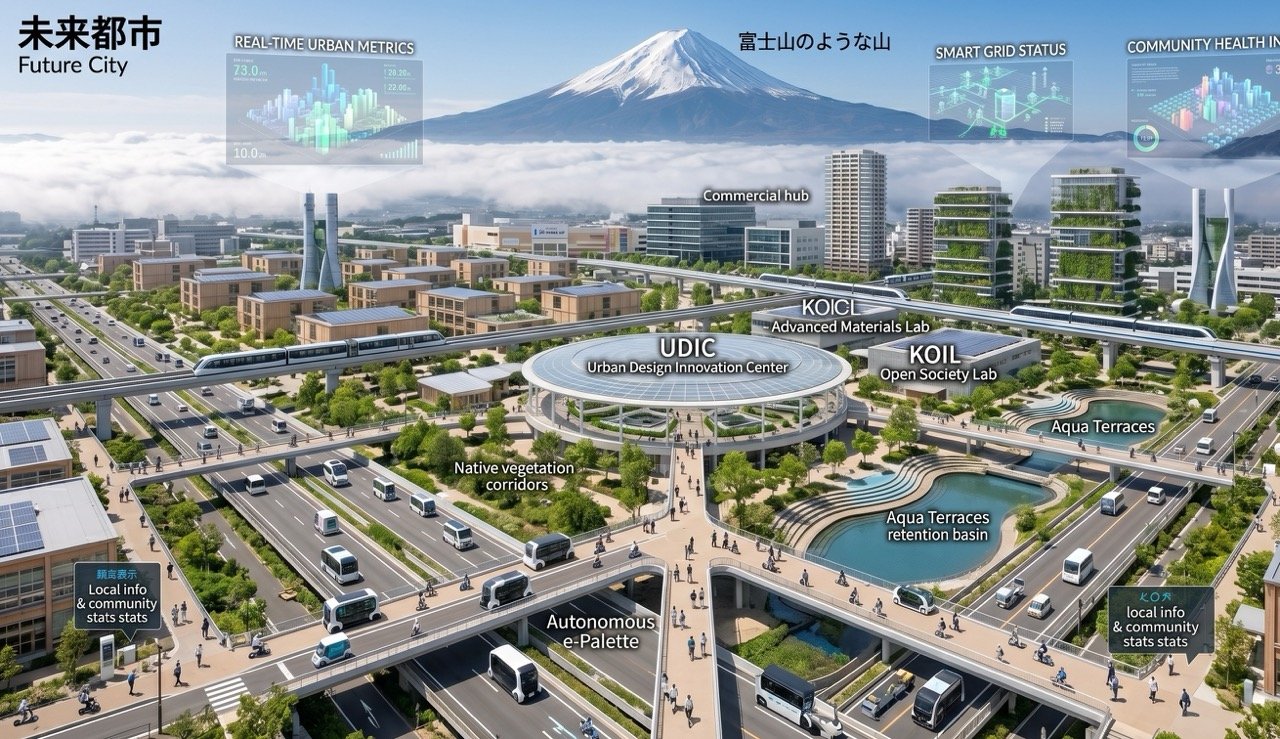
Japanese National Hydrogen Strategy & Gulf Partnership Opportunities
Japan is a global leader in the hydrogen economy with direct strategic interest in Gulf partnerships to import green hydrogen and clean ammonia — this programme opens real strategic cooperation doors.
 Human Development & Education
Open
Human Development & Education
Open
Shu-Ha-Ri: Japanese Competency Development from Imitation to Innovation
The Japanese three-stage skill acquisition model — follow the rule completely (Shu), break it after mastery (Ha), then transcend it to innovate your own method (Ri).
 Human Development & Education
Open
Human Development & Education
Open
Kata for Leadership: Daily Practice of Scientific Thinking in Problem-Solving
The Coaching Kata daily routine as a systematic methodology for developing scientific thinking in managers — a 10-minute daily leadership habit that fundamentally changes management and problem-solving.
 Human Development & Education
Open
Human Development & Education
Open
Japanese Education: The Secret of Raising a Citizen Who Cleans Their Own School
Visit Japanese schools that integrate cleaning, cooking, and community service in the official curriculum — understanding how the education system builds competence, responsibility, and discipline from childhood.
 Human Development & Education
Open
Human Development & Education
Open
Shinrin-yoku: Forest Therapy & Employee Wellness Applications
Japanese forest bathing — a scientifically validated programme proven to lower cortisol, boost immunity, and improve focus — and how major Japanese companies integrate it in employee wellness programmes as an investment not a cost.
 Hospitality & Customer Experience
Open
Hospitality & Customer Experience
Open
Applied Omotenashi: Engineering the Customer Experience the Japanese Way
Transform Omotenashi from a philosophy into a measurable service design tool — anticipation metrics, training models, and a field experience staying overnight in an authentic Japanese Ryokan.
 Hospitality & Customer Experience
Open
Hospitality & Customer Experience
Open
Organisational Kintsugi: Post-Crisis Leadership & Rebuilding with Gold
The Kintsugi philosophy applied to leading organisations after crises and failure — cracks are not hidden but highlighted and treated to become part of the institutional maturity story.
 Hospitality & Customer Experience
Open
Hospitality & Customer Experience
Open
The 7-Minute System: Engineering Peak Efficiency in Government Services
How Shinkansen cleaning crews clean an entire train in seven minutes with military precision and a smile — an operational efficiency model applicable to government services and hospitals.