
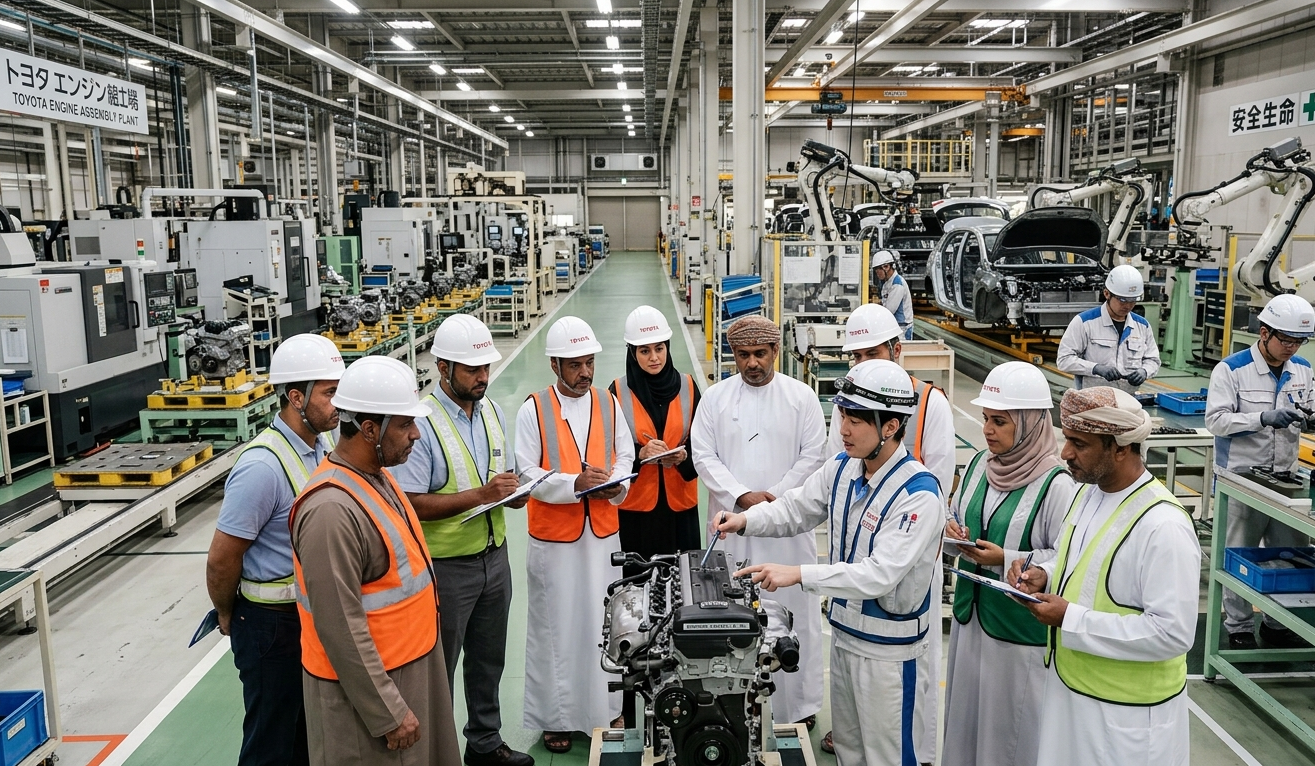
Digital Kanban: From Toyota Boards to Modern Project Management
Trace Kanban from its birth on Toyota's assembly lines in 1940s Nagoya to today's digital project management boards — and design a Kanban system for your own team at the source of the methodology.
Overview
Program Objectives
- Understand the original physical Kanban system and the principles that make it universally applicable.
- Trace the evolution from Toyota physical cards to digital project management Kanban.
- Design a Kanban system — physical or digital — suited to a specific team or project environment.
- Apply WIP (Work-In-Progress) limits, flow metrics, and Kanban cadences to improve team throughput and reduce lead time.
Requirements
- Project managers, team leads, IT managers, government programme officers, agile practitioners, or anyone managing a workflow with multiple parallel work items.
- No prior Kanban training required.
Why This Program?
Understand Kanban Where It Was Born — Then Deploy It in Your Team the Week You Return
Five days in Toyota City: from 1940s physical cards to today's digital boards — with a custom Kanban system designed for your team.
Most Kanban training teaches the tool without the principle. Understanding why Taiichi Ohno invented Kanban — the specific waste it was designed to eliminate, the pull logic it embeds, and the human behaviour it changes — makes practitioners far more effective than those who simply learned to use Jira. This programme starts at the source.
Toyota City is Kanban's birthplace. Seeing the physical cards operating in a live Toyota factory — touching the system that inspired every digital project management board in the world — provides an insight and conviction that no online course or classroom simulation can match.
Five days in Toyota City: Kanban history and principles, Toyota factory visit with physical Kanban observation, digital Kanban design workshops, WIP and flow metric training, and a Day 5 custom Kanban system presentation.
Program Value
Learning Journey
Nomination Eligibility
Why Train in Japan
Why Train Overseas
Field Visits Note
Certificate Statement
How to Use This File for Nomination
Suggested Programs
 Management & Leadership
Open
Management & Leadership
Open
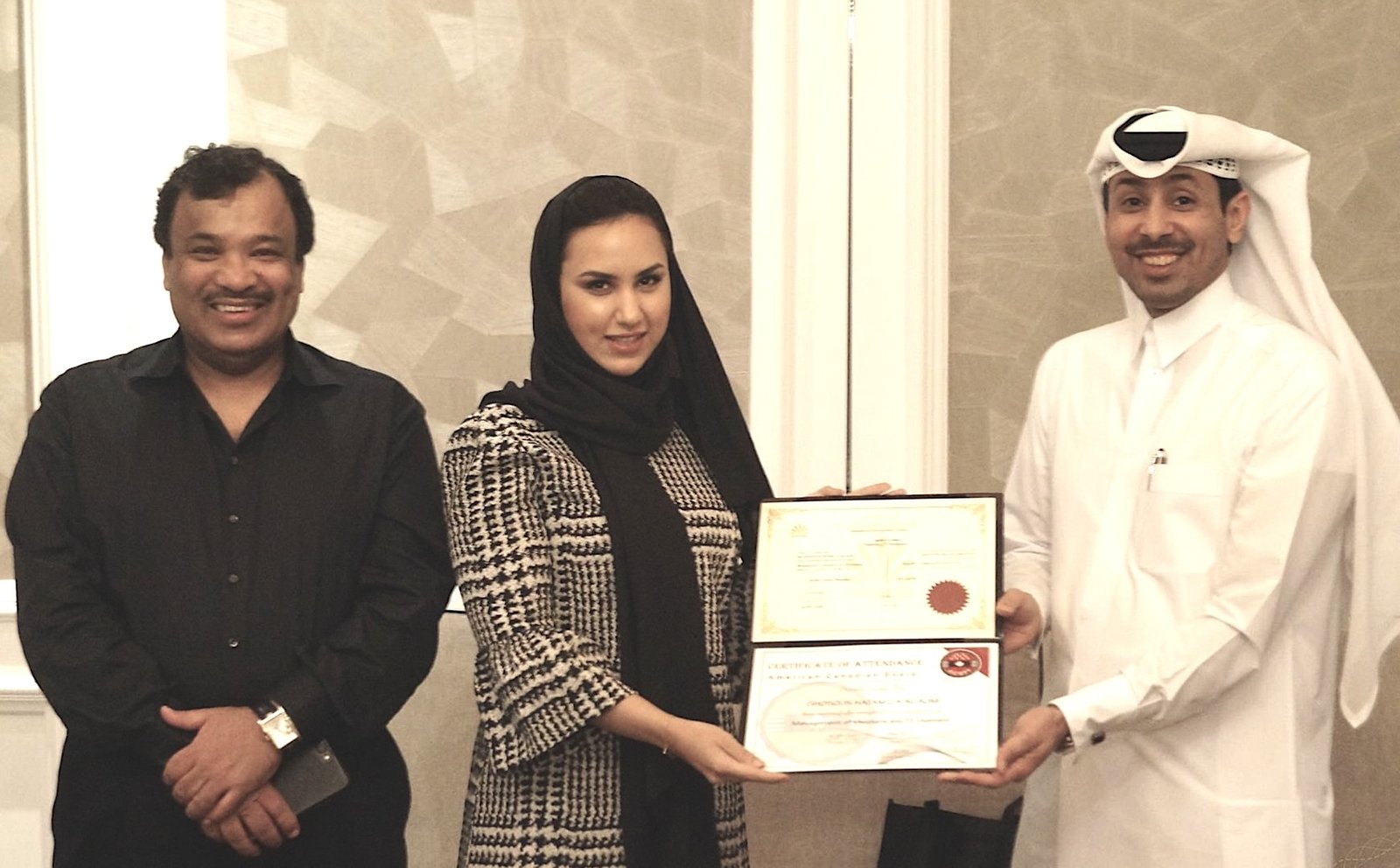
Hoshin Kanri: From Vision to Daily Action
Apply the Japanese policy-deployment methodology to cascade top-level goals into daily accountable tasks at every organisational level — the system that powers Toyota, Honda, and Bridgestone.
 Smart Agriculture & Food Security
Open
Smart Agriculture & Food Security
Open
Japanese Vertical Farming: Intensive Production in Limited Spaces
Japan grows vegetables in climate-controlled factories using 99% less water than open-field farming. Visit Chiba to learn the plant-factory system and design a desert-farming pilot for the Gulf.
 Smart Agriculture & Food Security
Open
Smart Agriculture & Food Security
Open
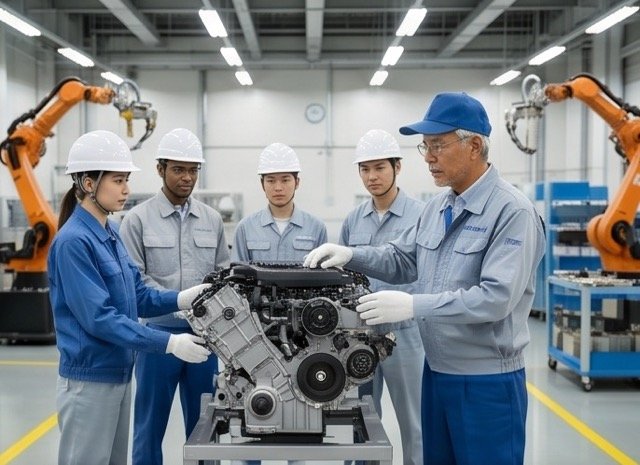
Satoyama: Balanced Agriculture Philosophy & Rural Planning Applications
Satoyama landscapes blend forests, rice paddies, and villages into a sustainable land-use system recognised by UNESCO. Visit Kyoto to learn how this model can inspire rural development and food security in your country.
 Innovation & Technology
Open
Innovation & Technology
Open
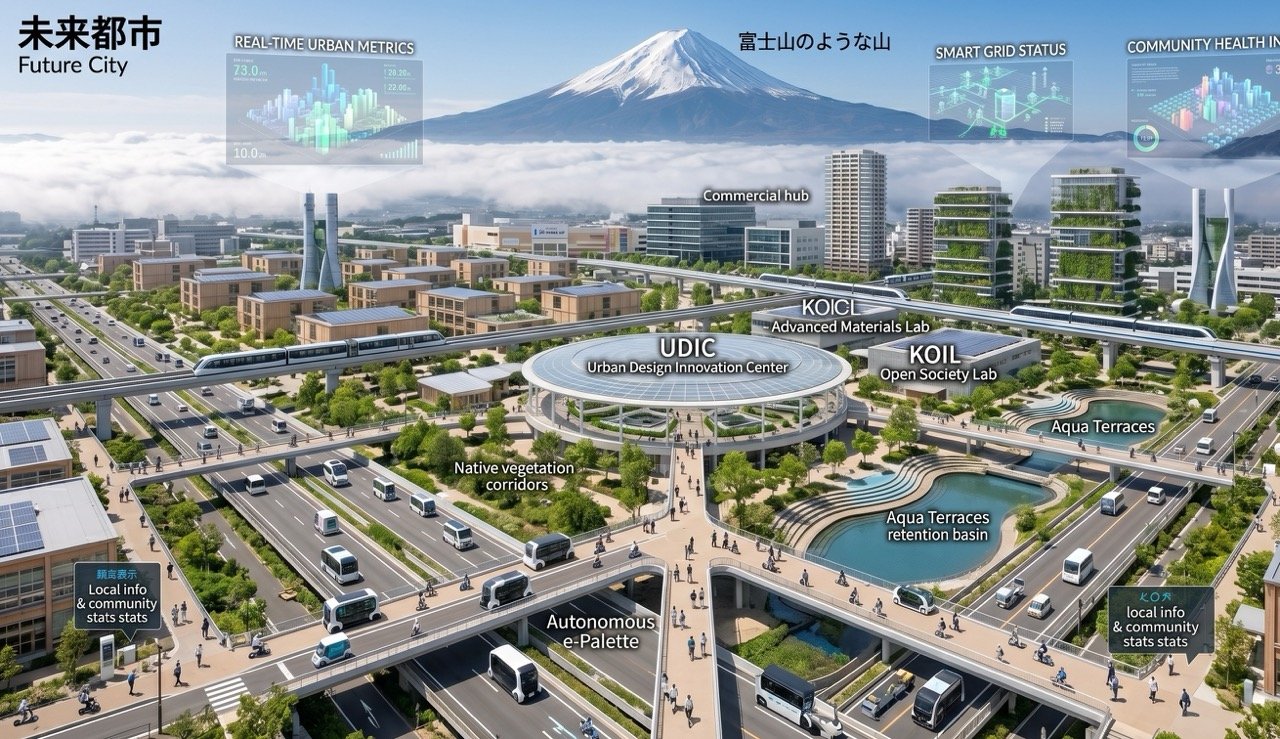
Society 5.0: Japan Vision for a Post-Digital Society
The Japanese Society 5.0 framework placing humans at the centre of technology — a vision that goes beyond digitalisation towards a society solving major civilisational challenges with AI and data.
 Human Development & Education
Open
Human Development & Education
Open
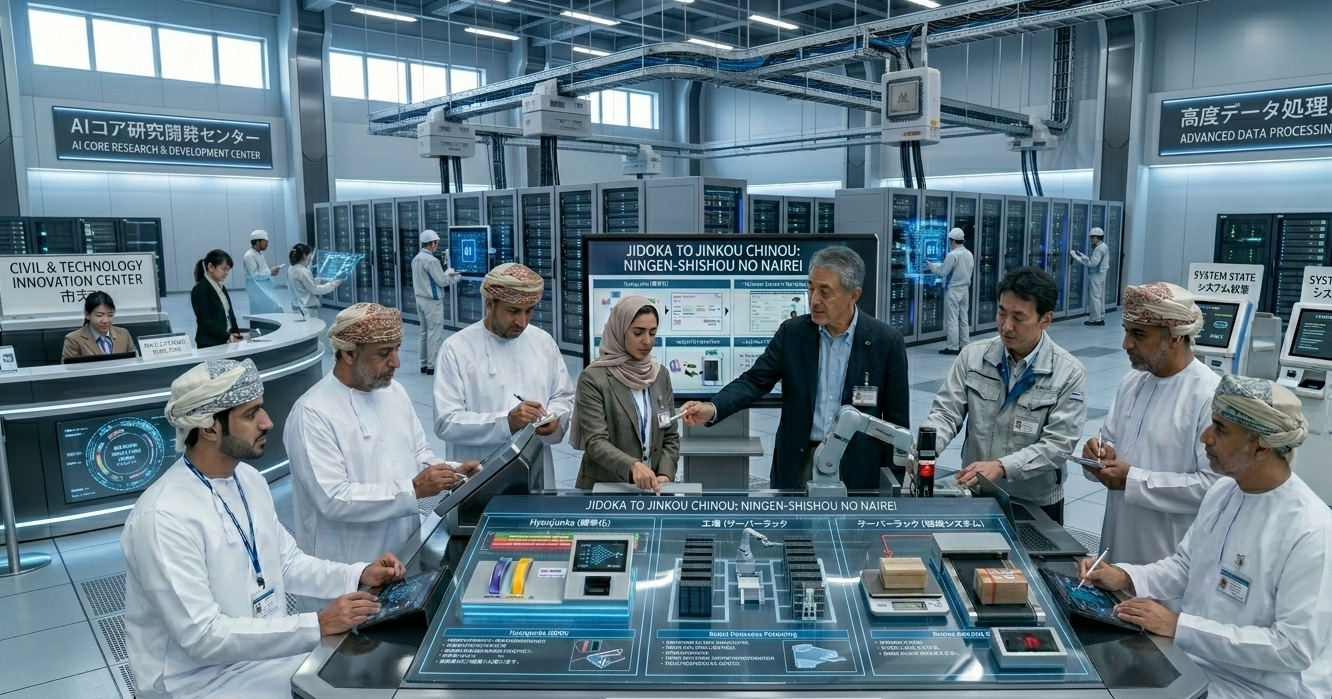
Shu-Ha-Ri: Japanese Competency Development from Imitation to Innovation
The Japanese three-stage skill acquisition model — follow the rule completely (Shu), break it after mastery (Ha), then transcend it to innovate your own method (Ri).
 Healthcare & Senior Care Technology
Open
Healthcare & Senior Care Technology
Open
Healthcare Robots: PARO, HAL & Robear in the Future of Care
Touch the future of care in Tsukuba: PARO the therapeutic seal for dementia, HAL the exoskeleton that restores movement, and Robear the bear that lifts patients. Then design your own robotics pilot.