
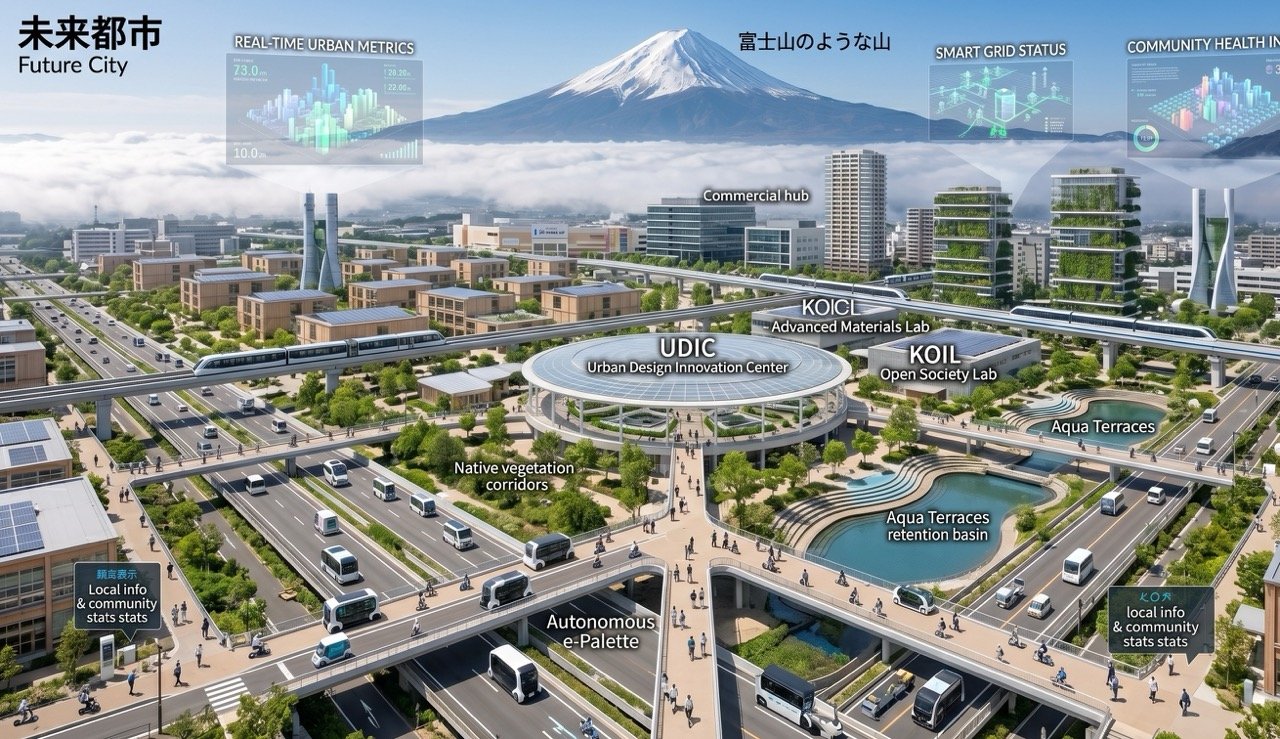
Shu-Ha-Ri: Japanese Competency Development from Imitation to Innovation
The Japanese three-stage skill acquisition model — follow the rule completely (Shu), break it after mastery (Ha), then transcend it to innovate your own method (Ri).
Overview
Program Objectives
- Understand the Shu-Ha-Ri model and its application to professional competency development.
- Design a Shu-Ha-Ri based training pathway for a specific role or skill.
- Evaluate existing training programmes for Shu-Ha-Ri alignment.
Requirements
- HR directors, L&D managers, talent development specialists, and department heads responsible for employee capability building.
Why This Program?
Master the Three Stages of Japanese Skill Mastery.
Five days learning Shu-Ha-Ri — the framework Toyota and Agile use to develop competency from imitation to innovation.
Most organisations rush employees to innovate before they master fundamentals. Shu-Ha-Ri prevents this failure by providing a structured progression from imitation to innovation.
Japan is the only culture that formalised a three-stage skill acquisition model used across martial arts, manufacturing, and software engineering.
Five days in Tokyo: Shu-Ha-Ri origins, Shu stage design, Ha stage facilitation, Ri stage conditions, and competency pathway redesign.
Program Value
Learning Journey
Nomination Eligibility
Why Train in Japan
Why Train Overseas
Field Visits Note
Certificate Statement
How to Use This File for Nomination
Suggested Programs
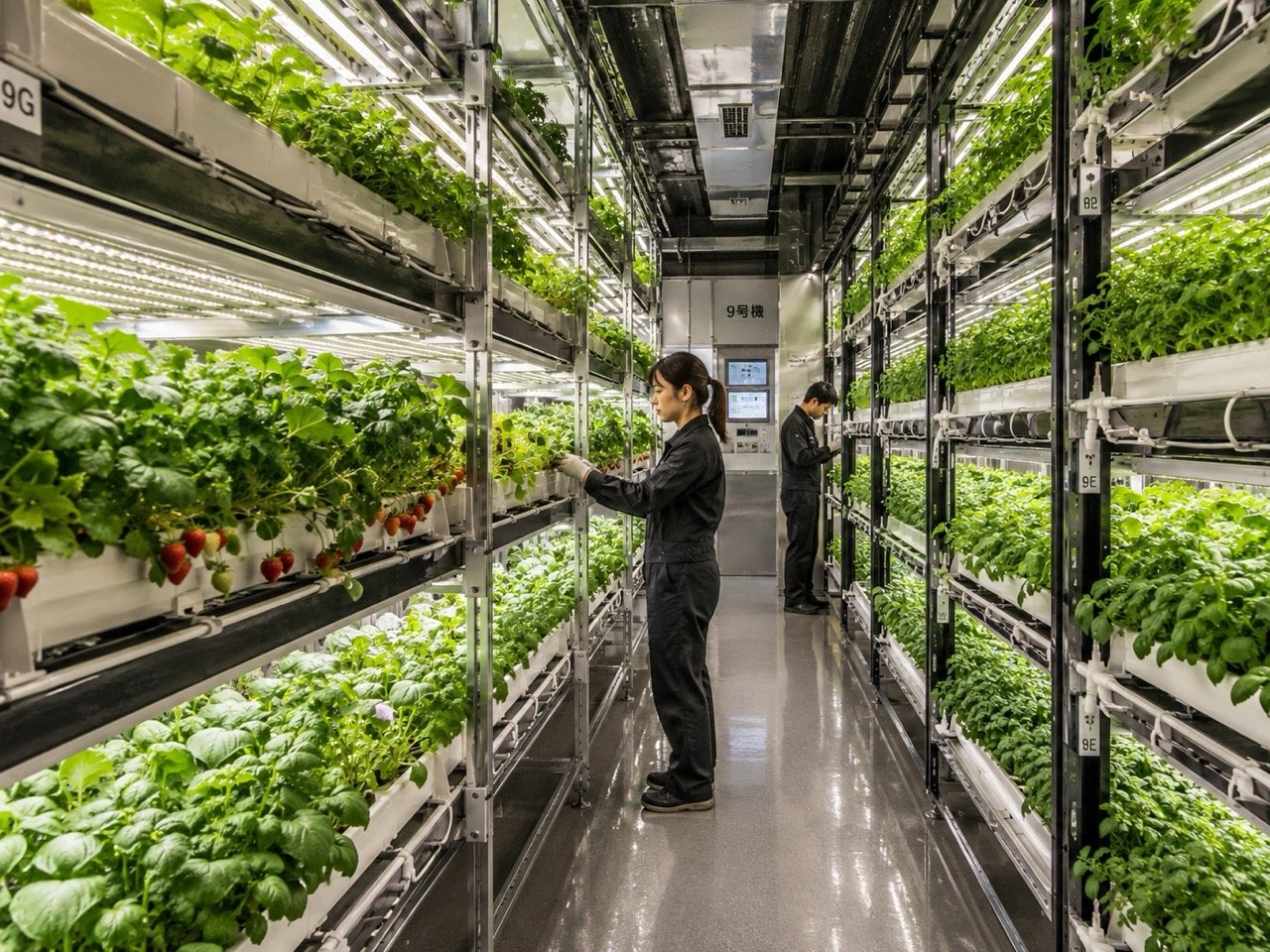 Hospitality & Customer Experience
Open
Hospitality & Customer Experience
Open
Organisational Kintsugi: Post-Crisis Leadership & Rebuilding with Gold
The Kintsugi philosophy applied to leading organisations after crises and failure — cracks are not hidden but highlighted and treated to become part of the institutional maturity story.
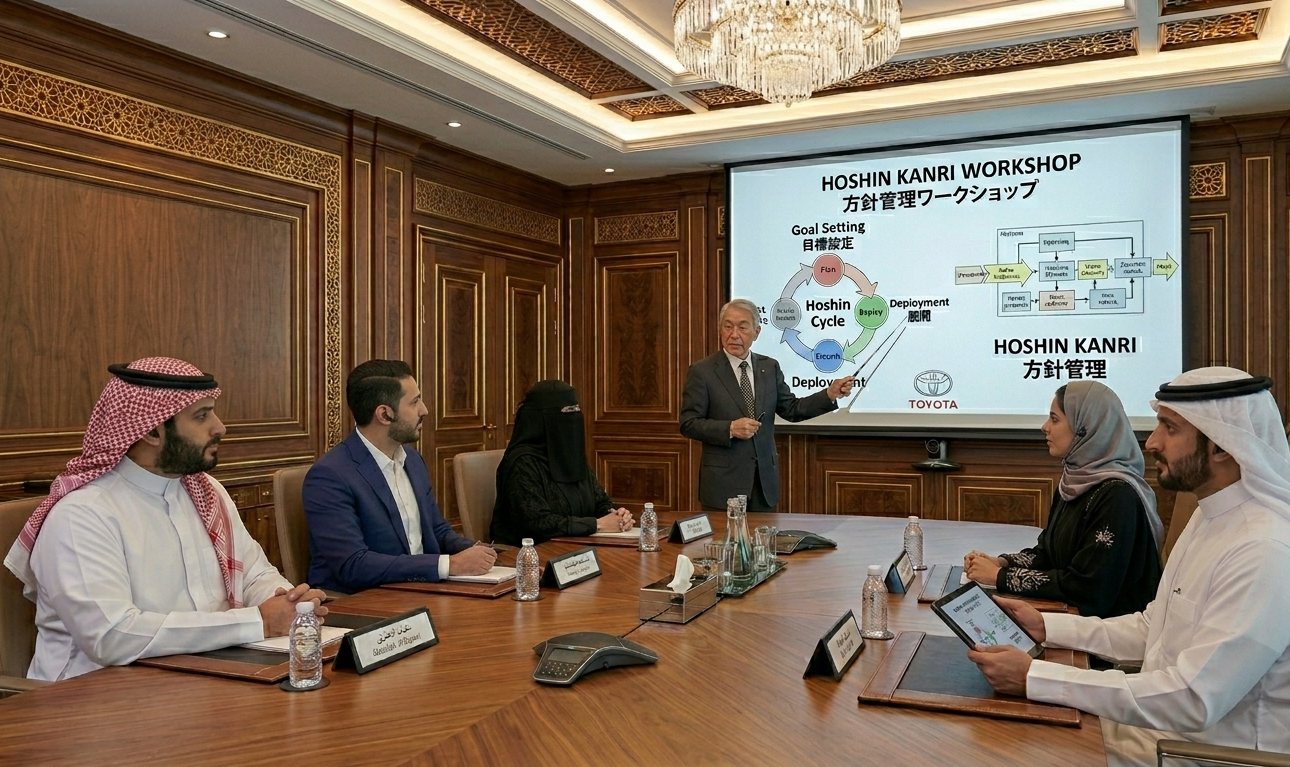 Healthcare & Senior Care Technology
Open
Healthcare & Senior Care Technology
Open
Kaigo: Japanese Elderly Care System & Applications in Gulf Communities
Japan became the world first super-aged society and built the Kaigo system to make ageing dignified, affordable, and community-based. Learn it in Tokyo and adapt it to Gulf communities.
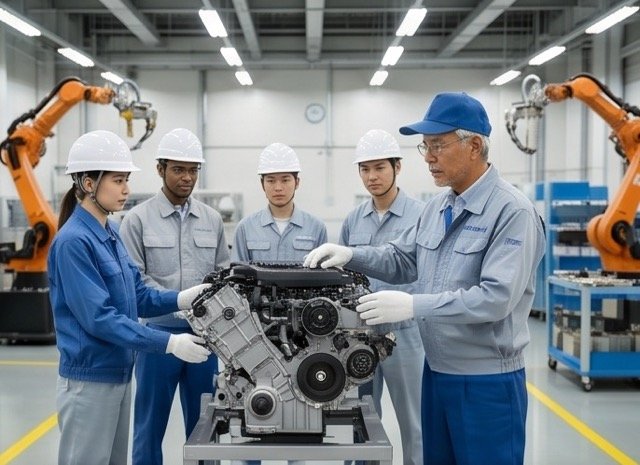 Innovation & Technology
Open
Innovation & Technology
Open
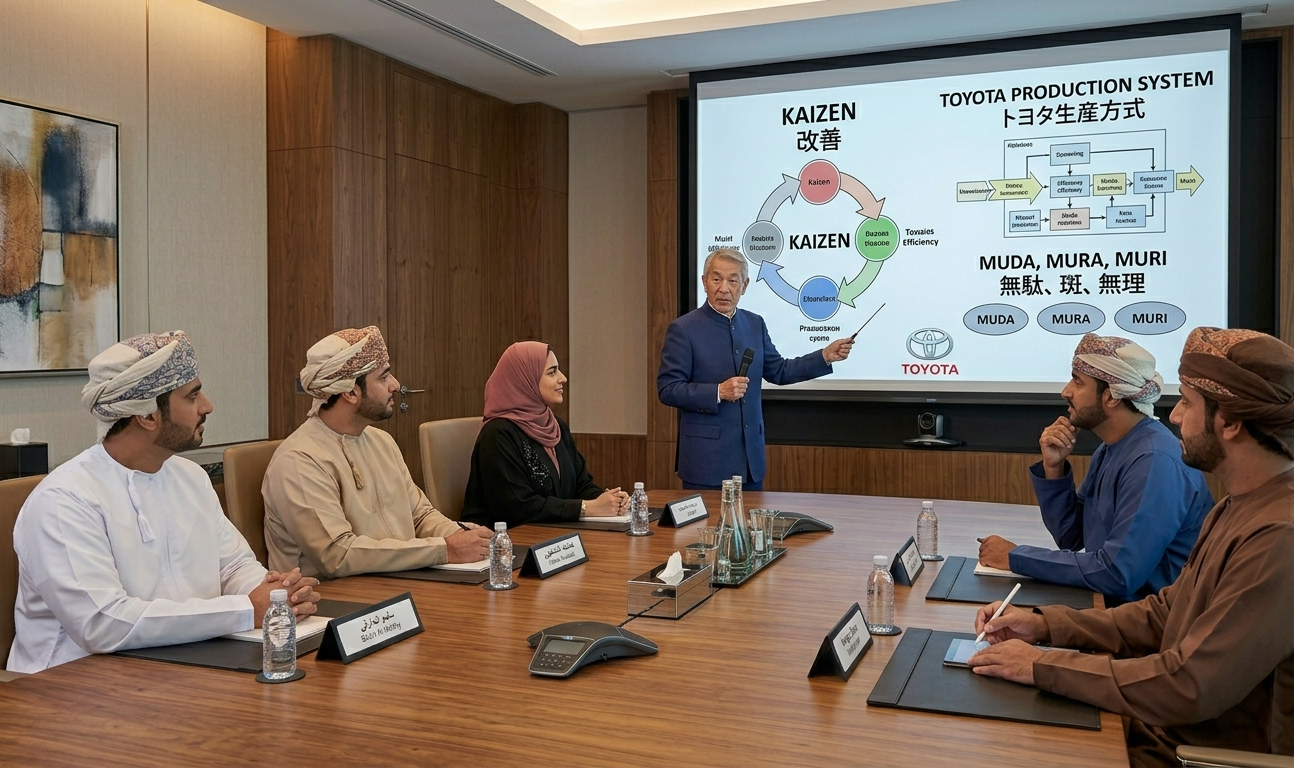
Society 5.0: Japan Vision for a Post-Digital Society
The Japanese Society 5.0 framework placing humans at the centre of technology — a vision that goes beyond digitalisation towards a society solving major civilisational challenges with AI and data.
 Quality & Operations
Open
Quality & Operations
Open
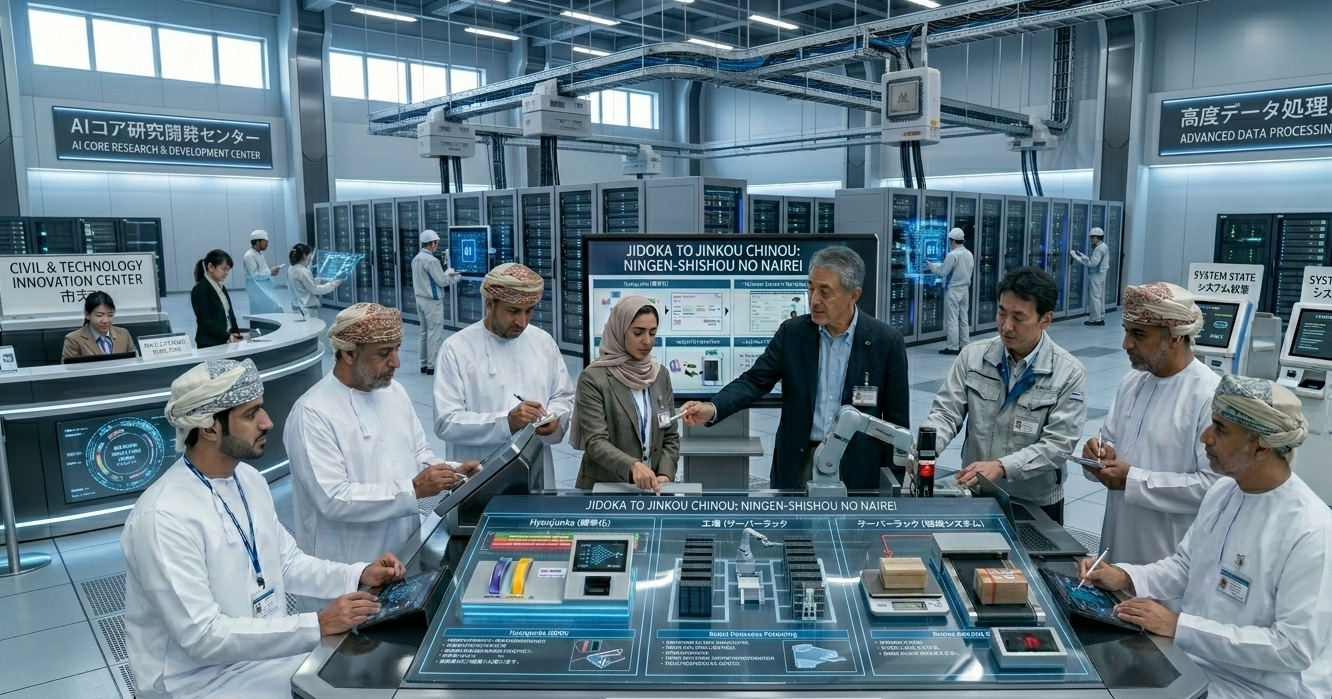
Jidoka in the Automation Age: AI with a Japanese Human-Centred Spirit
Master Japan's answer to the AI age: Jidoka — the principle that automation must detect, stop, and alert, keeping human judgment permanently at the centre of every intelligent system.
 Healthcare & Senior Care Technology
Open
Healthcare & Senior Care Technology
Open
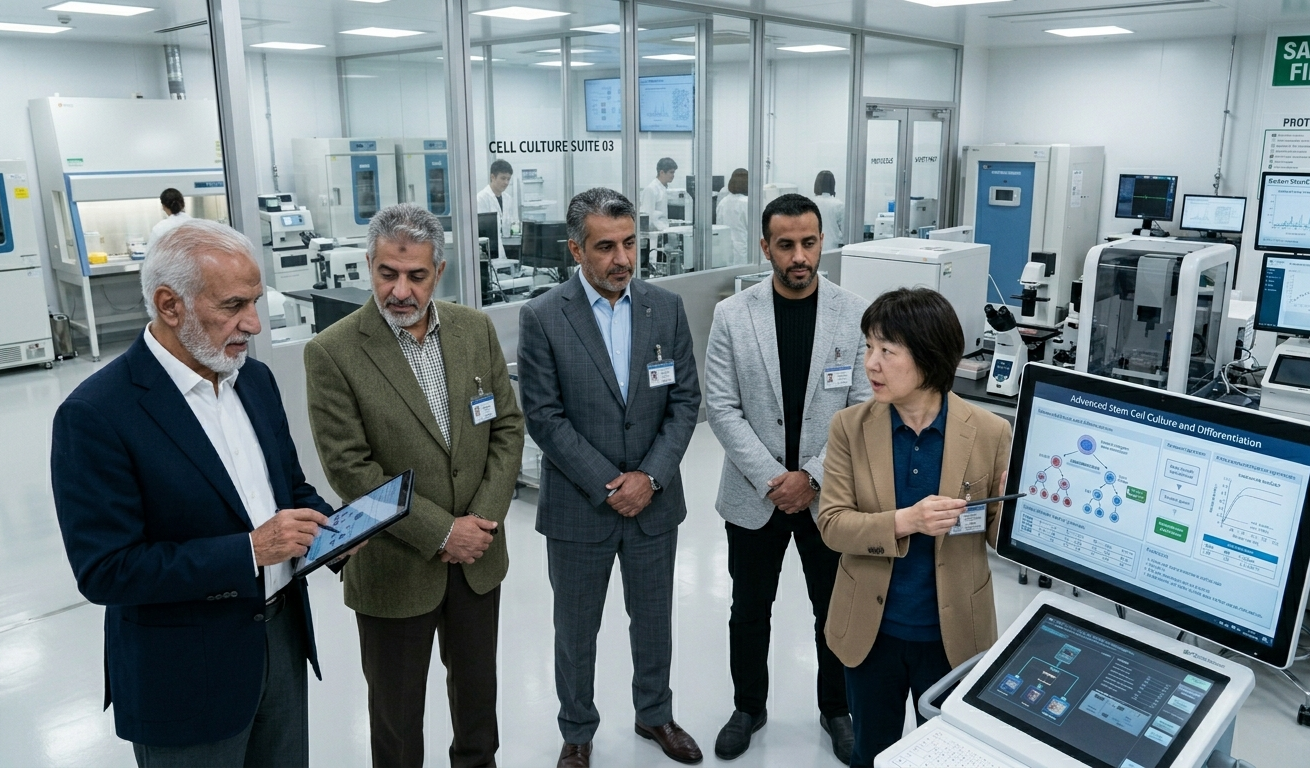
Healthcare Robots: PARO, HAL & Robear in the Future of Care
Touch the future of care in Tsukuba: PARO the therapeutic seal for dementia, HAL the exoskeleton that restores movement, and Robear the bear that lifts patients. Then design your own robotics pilot.
 Disaster Management & Resilience
Open
Disaster Management & Resilience
Open
Bosai Culture: Building a Resilient Society from Family to Nation
Discover how Japan — a country facing 1,500+ earthquakes per year — built the world's most resilient society, not through technology alone but through a deeply embedded national culture of preparedness called Bosai.