
Healthcare Robots: PARO, HAL & Robear in the Future of Care
Touch the future of care in Tsukuba: PARO the therapeutic seal for dementia, HAL the exoskeleton that restores movement, and Robear the bear that lifts patients. Then design your own robotics pilot.
Overview
Program Objectives
- Understand the clinical indications, operating principles, and real-world outcomes of PARO, HAL, and Robear.
- Evaluate the economic, workforce, and patient-experience benefits of therapeutic and assistive robotics in care settings.
- Analyse regulatory, procurement, and integration pathways for deploying care robots in hospitals and long-term care facilities.
- Design a pilot care-robotics programme for a hospital, rehabilitation centre, or elderly-care facility in their country.
Requirements
- Hospital directors, rehabilitation specialists, geriatricians, health technology investors, Ministry of Health officials, and long-term care facility managers interested in robotics adoption.
Why This Program?
The Robots That Care for People Are Already Here. Meet Them in Japan.
Five days in Tsukuba with PARO, HAL, and Robear — designing a robotic care pilot for your hospital or facility.
Every healthcare system in the world faces a workforce shortage for elderly and rehabilitative care. Robots will not replace humans, but they can extend human capability, reduce injury, and improve dignity. Japan has the only ecosystem where therapeutic and assistive robots are already operational at scale.
Tsukuba is Japan science city — home to AIST, Cyberdyne, and RIKEN, where the world most advanced care robots were invented, tested, and deployed. No other location offers this concentration of robotics research and real-world clinical deployment.
Five days in Tsukuba: care robotics landscape, HAL exoskeleton demonstration, PARO therapeutic session, Robear lifting demonstration, care home visits, and Day 5 pilot design presentation.
Program Value
Learning Journey
Nomination Eligibility
Why Train in Japan
Why Train Overseas
Field Visits Note
Certificate Statement
How to Use This File for Nomination
Suggested Programs
 Quality & Operations
Open
Quality & Operations
Open
5S in Government: From Factory to Office & Public Service
Take Japan's most proven workplace discipline — 5S — out of the factory and into government ministries, hospitals, and public offices. Leave with a completed 5S audit, a structured implementation plan, and the skills to sustain it independently.
 Management & Leadership
Open
Management & Leadership
Open
Toyota Way Leadership: The 14 Principles in Practice
A deep immersion in the 14 principles of the Toyota Way — long-term thinking, employee and supplier development, and Genchi Genbutsu — experienced directly at Toyota City headquarters.
 Trade & Industry
Open
Trade & Industry
Open
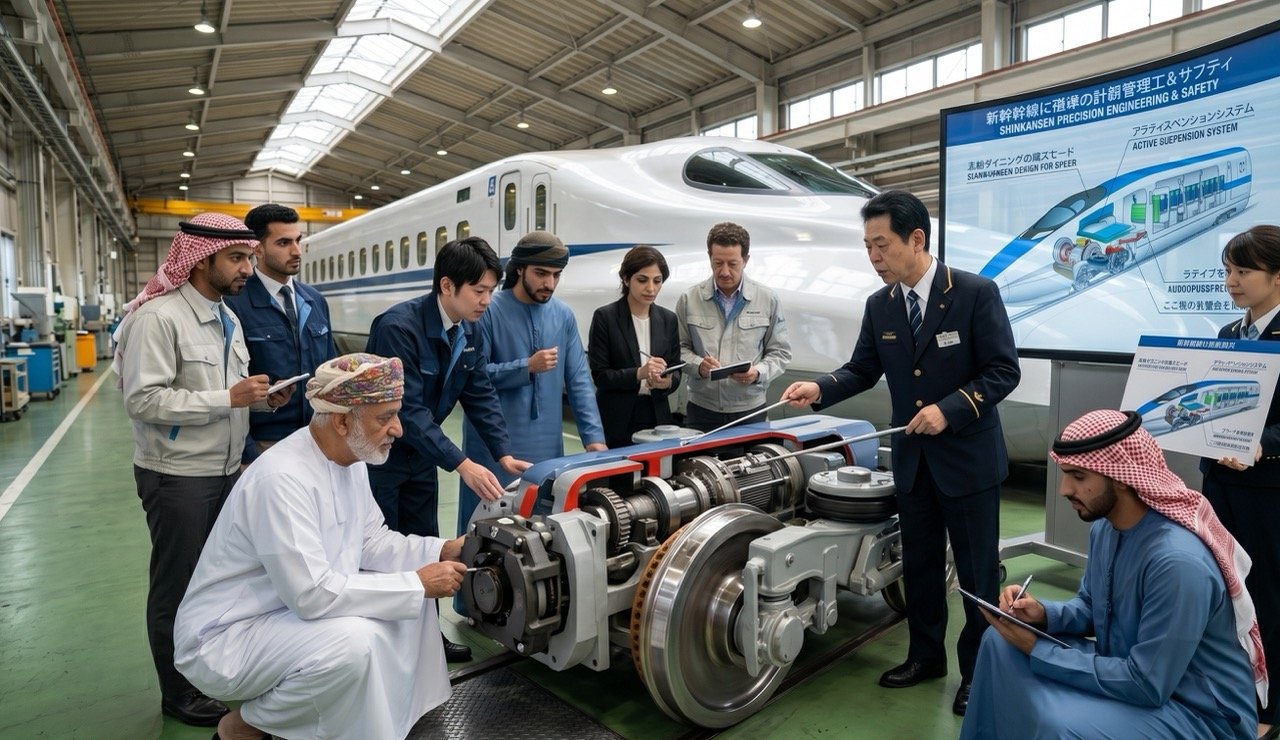
Vertical Value Chains: Interlocking Industrial Networks & National Economy Lessons
Study the vertical Keiretsu as a model for building a nationally integrated industry with high local content and resilience to external disruptions — applied lessons for Gulf localisation policies.
 Human Development & Education
Open
Human Development & Education
Open
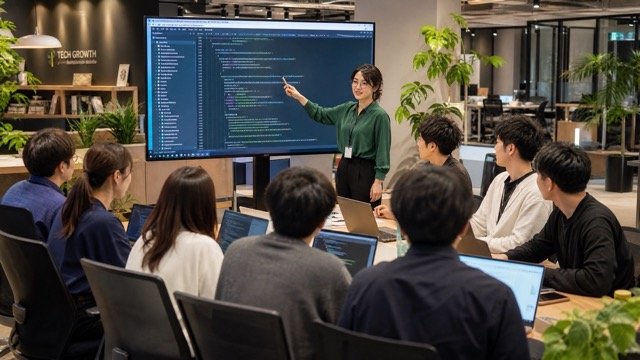
Japanese Education: The Secret of Raising a Citizen Who Cleans Their Own School
Visit Japanese schools that integrate cleaning, cooking, and community service in the official curriculum — understanding how the education system builds competence, responsibility, and discipline from childhood.
 Trade & Industry
Open
Trade & Industry
Open
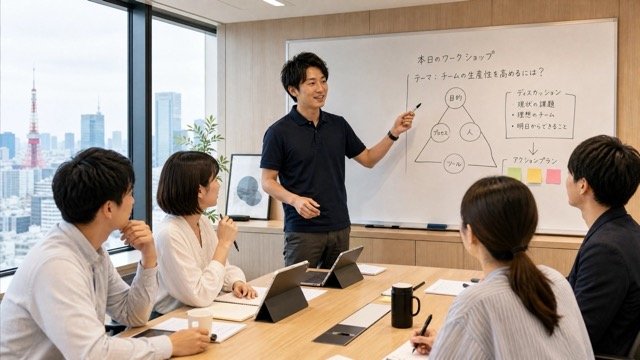
Sogo Shosha: The Japanese General Trading Company Model
How companies like Mitsubishi Corporation and Mitsui manage trade covering every sector on every continent — a unique model in capitalism with direct lessons for Gulf economic diversification.
 Law & Governance
Open
Law & Governance
Open
Intellectual Property Law & Innovation: How Japan Protects Its Technical Edge
Japan patent and trade-secret protection system that enables companies to invest in R&D with confidence — lessons for Gulf business environments building a knowledge economy.