
HAL Exoskeleton: From Medical Therapy to Industry
Study HAL technology from Cyberdyne Japan and its applications in neurological rehabilitation, factory worker assistance, and support for the elderly.
Overview
Program Objectives
- Understand the technology and regulatory status of HAL exoskeleton systems.
- Evaluate clinical and industrial applications for HAL in their country context.
- Design a pilot deployment plan for exoskeleton technology.
- Assess the cost-benefit and regulatory pathway for HAL adoption.
Requirements
- Rehabilitation specialists, hospital directors, occupational health managers, industrial safety engineers, and health tech investors.
Why This Program?
The World First Cybernic Suit Reads Your Body and Restores Movement.
Five days at Cyberdyne in Tsukuba learning how HAL is transforming rehabilitation and industrial safety.
HAL is one of the few exoskeletons with clinical approval and measurable outcomes. This programme gives you direct access to the technology, the research team, and deployment experts.
Cyberdyne in Tsukuba created HAL and has the largest clinical and industrial deployment data in the world.
Five days in Tsukuba: cybernic foundations, clinical rehab, industrial HAL, regulatory pathway, and a pilot deployment plan.
Program Value
Learning Journey
Nomination Eligibility
Why Train in Japan
Why Train Overseas
Field Visits Note
Certificate Statement
How to Use This File for Nomination
Suggested Programs
 Disaster Management & Resilience
Open
Bosai Culture: Building a Resilient Society from Family to Nation
Discover how Japan — a country facing 1,500+ earthquakes per year — built the world's most resilient society, not through technology alone but through a deeply embedded national culture of preparedness called Bosai.
 Environment & Energy
Open
Kitakyushu: From Pollution City to Global Sustainability Capital
Kitakyushu journey from Japan most polluted city in the 1960s to a UN model for environmental transformation — with field visits to sustainability infrastructure and recycling plants.
 Disaster Management & Resilience
Open
Sendai Framework: Field Study of Post-2011 Reconstruction
Walk the coastline where 20,000 perished in 2011 and study how Japan turned that tragedy into the Sendai Framework — now the DRR standard for 187 nations.
 Management & Leadership
Open
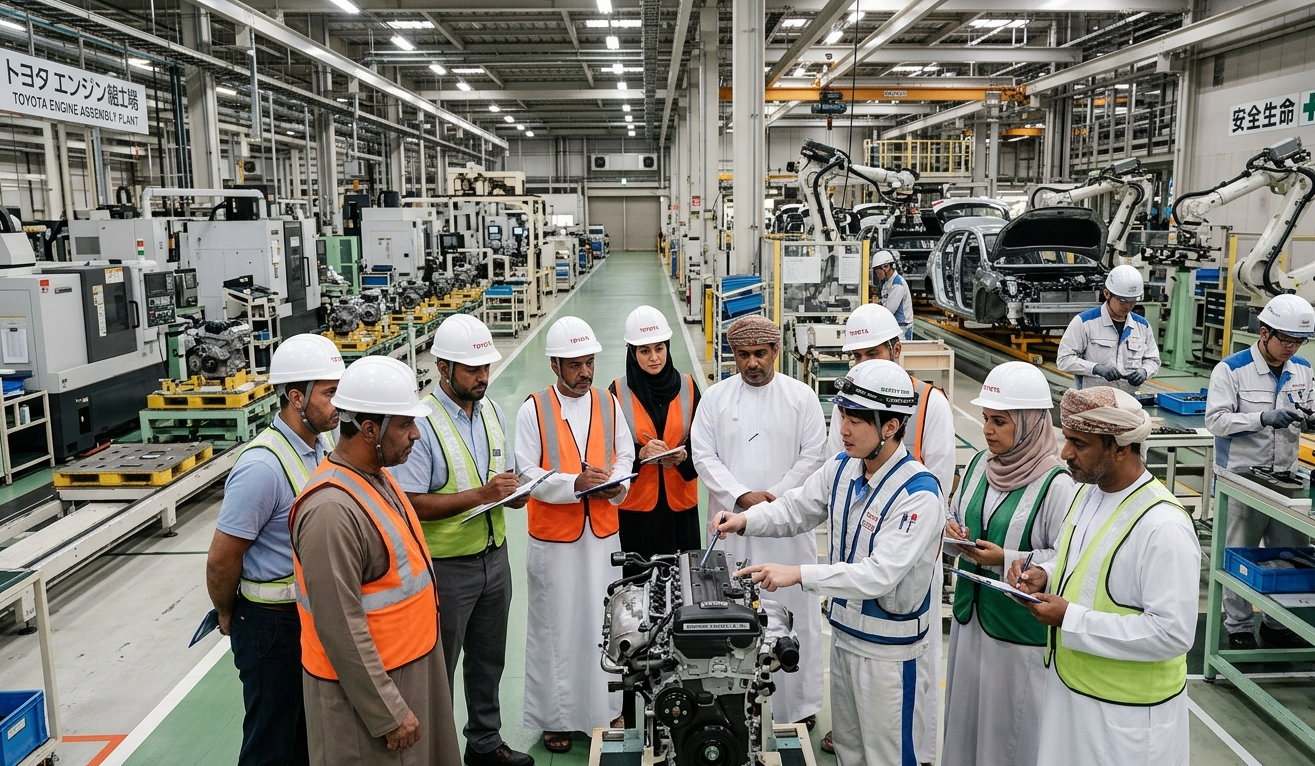
Keiretsu: Japanese Business Networks for Emerging Economies
Study Japan's legendary Keiretsu industrial network model — the architecture behind Mitsubishi, Sumitomo, and Toyota's supply chain dominance — and extract a directly applicable blueprint for Gulf economic diversification.
 Trade & Industry
Open
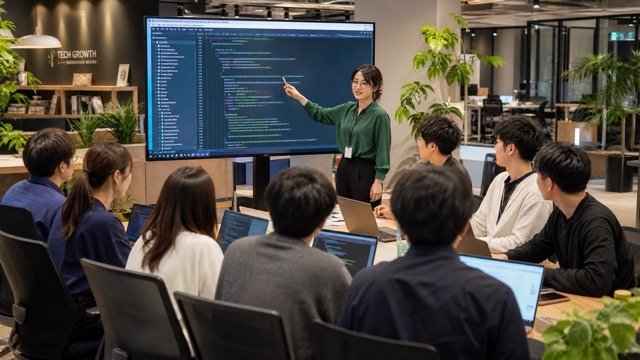
Sogo Shosha: The Japanese General Trading Company Model
How companies like Mitsubishi Corporation and Mitsui manage trade covering every sector on every continent — a unique model in capitalism with direct lessons for Gulf economic diversification.
 Disaster Management & Resilience
Open
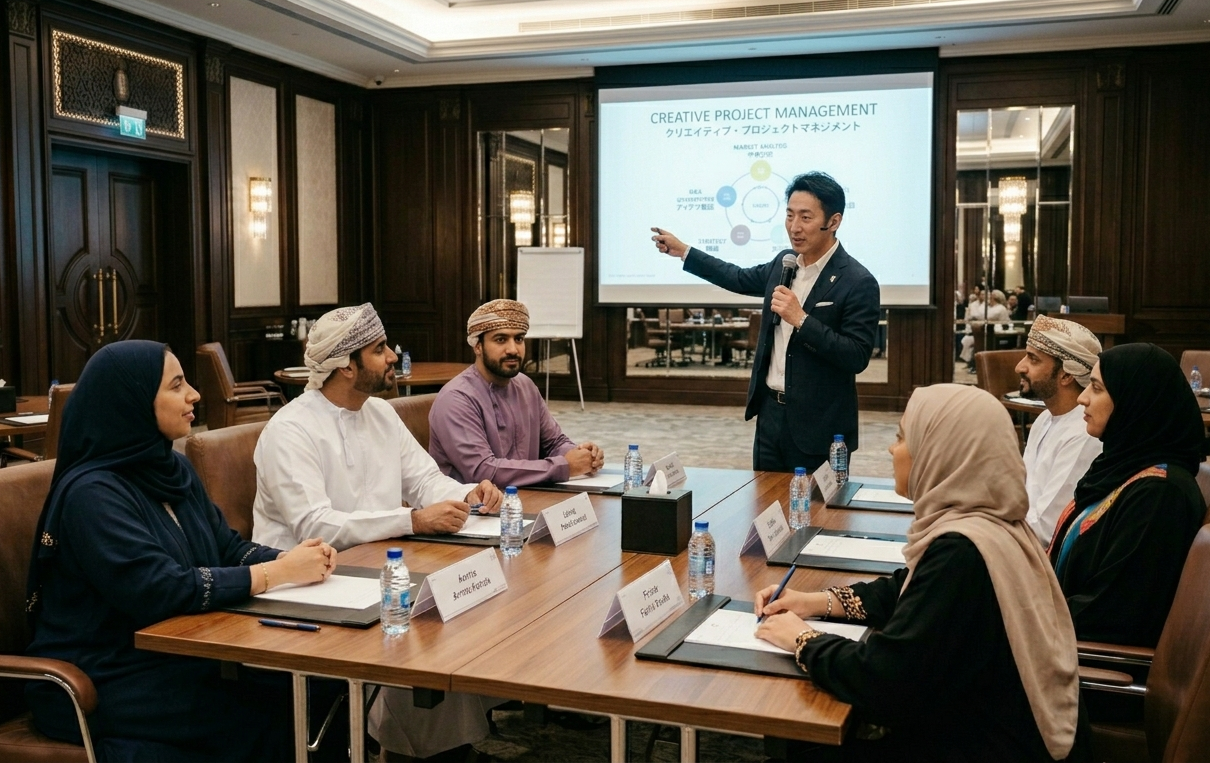
Japanese Early Warning UrEDAS & Preventive Technologies
Seconds before an earthquake, Japan's UrEDAS system detects the first seismic wave and automatically stops trains, elevators, and industrial lines — saving lives and infrastructure worth billions. Learn exactly how.