
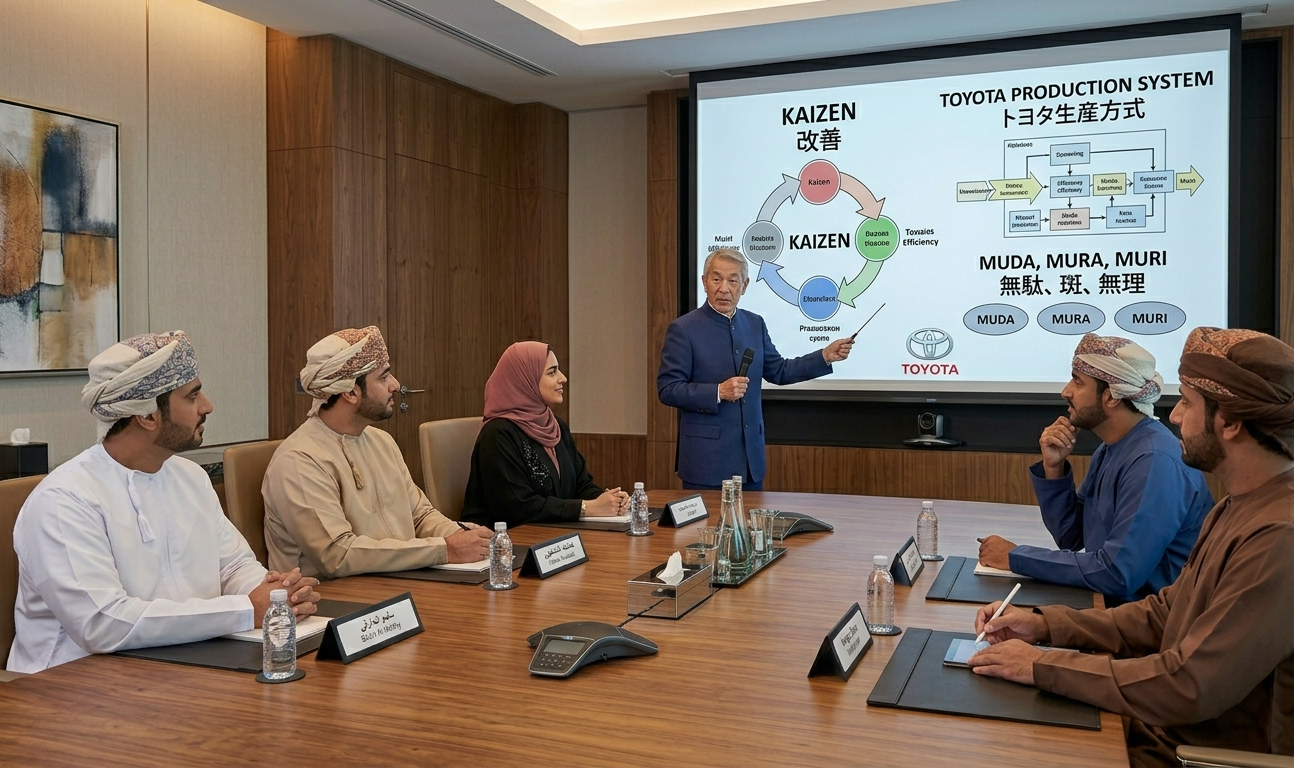
Jidoka in the Automation Age: AI with a Japanese Human-Centred Spirit
Master Japan's answer to the AI age: Jidoka — the principle that automation must detect, stop, and alert, keeping human judgment permanently at the centre of every intelligent system.
Overview
Program Objectives
- Understand Jidoka as a design philosophy — not merely a manufacturing technique — and apply it to AI and digital systems.
- Design human-machine collaboration protocols that keep human judgment central while maximising automation benefits.
- Audit existing automation projects for Jidoka alignment and identify failure-mode gaps.
- Develop a Jidoka-aligned digital transformation roadmap for their organisation.
Requirements
- Minimum 3 years in manufacturing, operations, IT, or digital transformation roles.
- Basic familiarity with automation, robotics, or AI deployment in an organisational context.
Why This Program?
The AI Age Needs Jidoka. Japan Invented It 70 Years Ago.
Five days in Tokyo learning the human-centred automation philosophy that makes intelligent systems safe, trustworthy, and improvable.
Every organisation deploying AI faces the same existential risk: a system that fails silently, at scale, while humans assume it is working. Jidoka is Japan's answer — build detection, stopping, and alerting into every automated system so human judgment is always engaged at the critical moment. This is not an AI ethics programme; it is a practical engineering and management discipline.
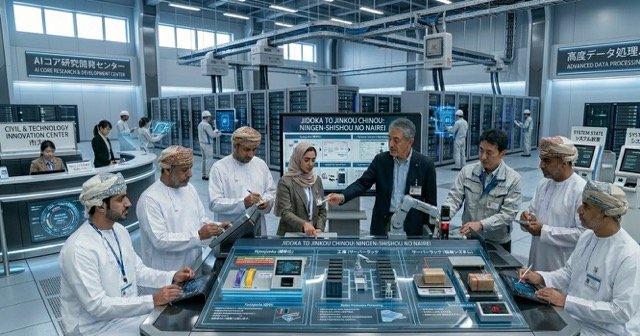
Jidoka was born in Japan and is applied at its deepest level in Japanese smart factories today. Visiting Tokyo's modern manufacturing facilities where cobots, AI quality inspection, and human override systems operate together provides an insight impossible to replicate elsewhere.
Five days in Tokyo: Jidoka philosophy and history, smart-factory visit, AI and digital workflow application workshops, and a Day 5 Jidoka-aligned automation strategy presentation.
Program Value
Learning Journey
Nomination Eligibility
Why Train in Japan
Why Train Overseas
Field Visits Note
Certificate Statement
How to Use This File for Nomination
Suggested Programs
 Innovation & Technology
Open
Innovation & Technology
Open
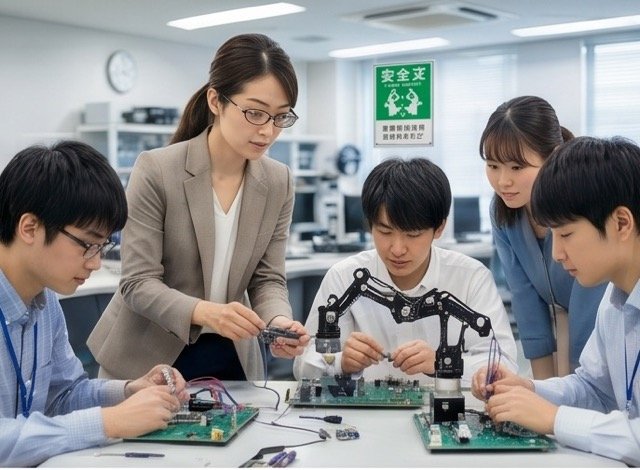
Gemba Leadership: Decisions from the Field, Not the Office
Genchi Genbutsu as a deep leadership methodology — how Japanese managers make decisions based on visible reality rather than reports, with field application in real Japanese facilities.
 Quality & Operations
Open
Quality & Operations
Open
Poka-Yoke: Error-Proofing for Government & Service Sectors
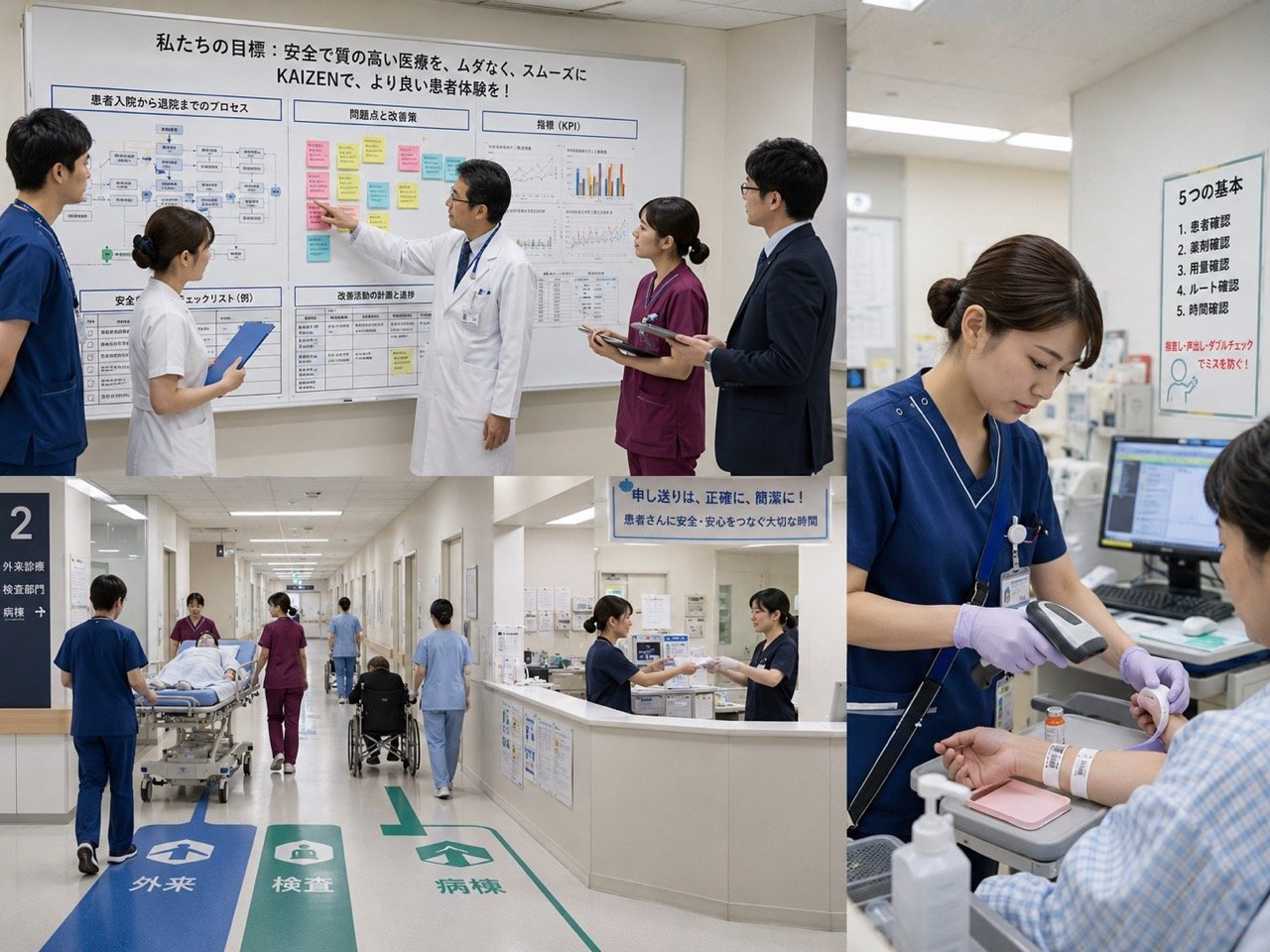
Take Japan's most powerful error-prevention tool beyond the factory floor and apply it to government services, hospitals, airports, and digital workflows — eliminating human error by design, not discipline.
 Law & Governance
Open
Law & Governance
Open
Intellectual Property Law & Innovation: How Japan Protects Its Technical Edge
Japan patent and trade-secret protection system that enables companies to invest in R&D with confidence — lessons for Gulf business environments building a knowledge economy.
 Trade & Industry
Open
Trade & Industry
Open
Vertical Value Chains: Interlocking Industrial Networks & National Economy Lessons
Study the vertical Keiretsu as a model for building a nationally integrated industry with high local content and resilience to external disruptions — applied lessons for Gulf localisation policies.
 Hospitality & Customer Experience
Open
Hospitality & Customer Experience
Open
The 7-Minute System: Engineering Peak Efficiency in Government Services
How Shinkansen cleaning crews clean an entire train in seven minutes with military precision and a smile — an operational efficiency model applicable to government services and hospitals.
 Quality & Operations
Open
Quality & Operations
Open
Monozukuri: Craftsmanship Philosophy & Industrial Innovation Strategy
Discover the national philosophy that made Japan the world's undisputed quality benchmark — Monozukuri, the art of making things with precision, pride, and purpose — and translate it into a durable competitive advantage for your organisation.