

Japanese Future Cities: Smart City from Woven City to Kashiwa-no-ha
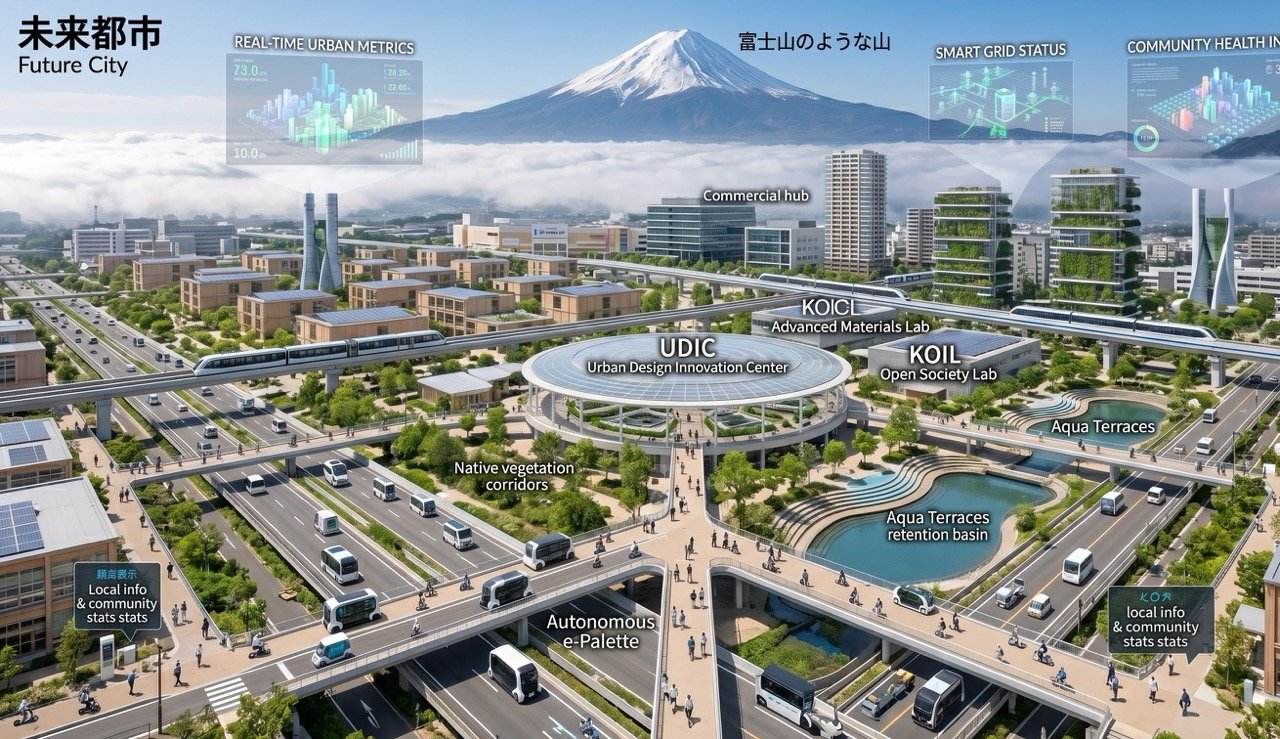
Japan experience building smart cities from scratch — Woven City built by Toyota as a self-contained integrated city model, with direct lessons for Gulf mega-city projects.
Overview
Program Objectives
- Understand the technology and governance architecture of Japan leading smart cities.
- Analyse data-driven urban management models and their KPIs.
- Apply smart-city lessons to an urban development project.
- Design a pilot district concept for a smart city.
Requirements
- Urban planners, smart-city project directors, government digitalisation leaders, real-estate developers, and infrastructure investors. Familiarity with urban projects or smart-city concepts is recommended.
Why This Program?
Toyota Is Building a City from Scratch. Visit Woven City Before the World Moves In.
Five days with Toyota and Kashiwa-no-ha planners designing a smart-city pilot for your city.
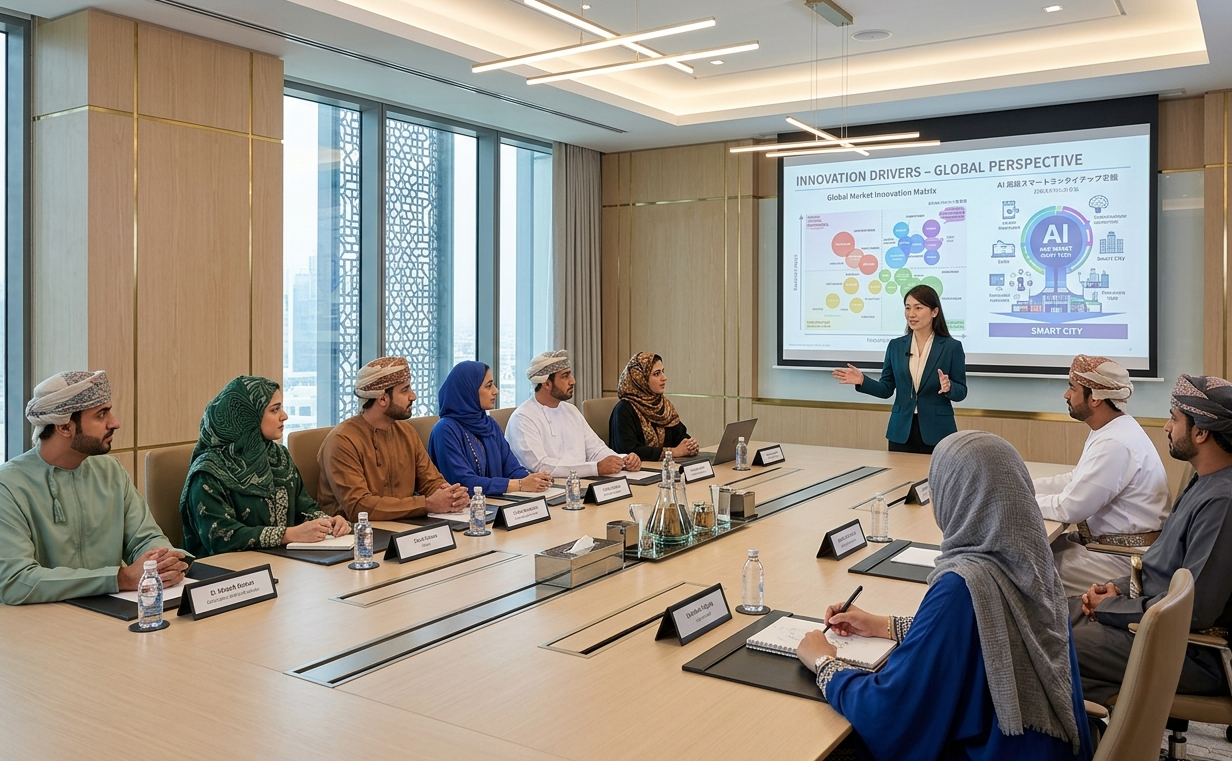
Gulf cities are investing tens of billions in smart-city mega-projects. Japan has two of the most advanced living labs: Woven City and Kashiwa-no-ha. This programme gives you the site access, governance models, and design frameworks to build a credible pilot.
Japan integrates automotive, robotics, energy, and urban planning into real-world test cities, making it the most practical place to study smart-city deployment at scale.
Five days in Toyota City and Tokyo: Woven City site visit, Kashiwa-no-ha data management, governance frameworks, and pilot district design.
Program Value
Learning Journey
Nomination Eligibility
Why Train in Japan
Why Train Overseas
Field Visits Note
Certificate Statement
How to Use This File for Nomination
Suggested Programs
 Disaster Management & Resilience
Open
Japanese BCP Model: Businesses That Never Stopped Despite Disaster
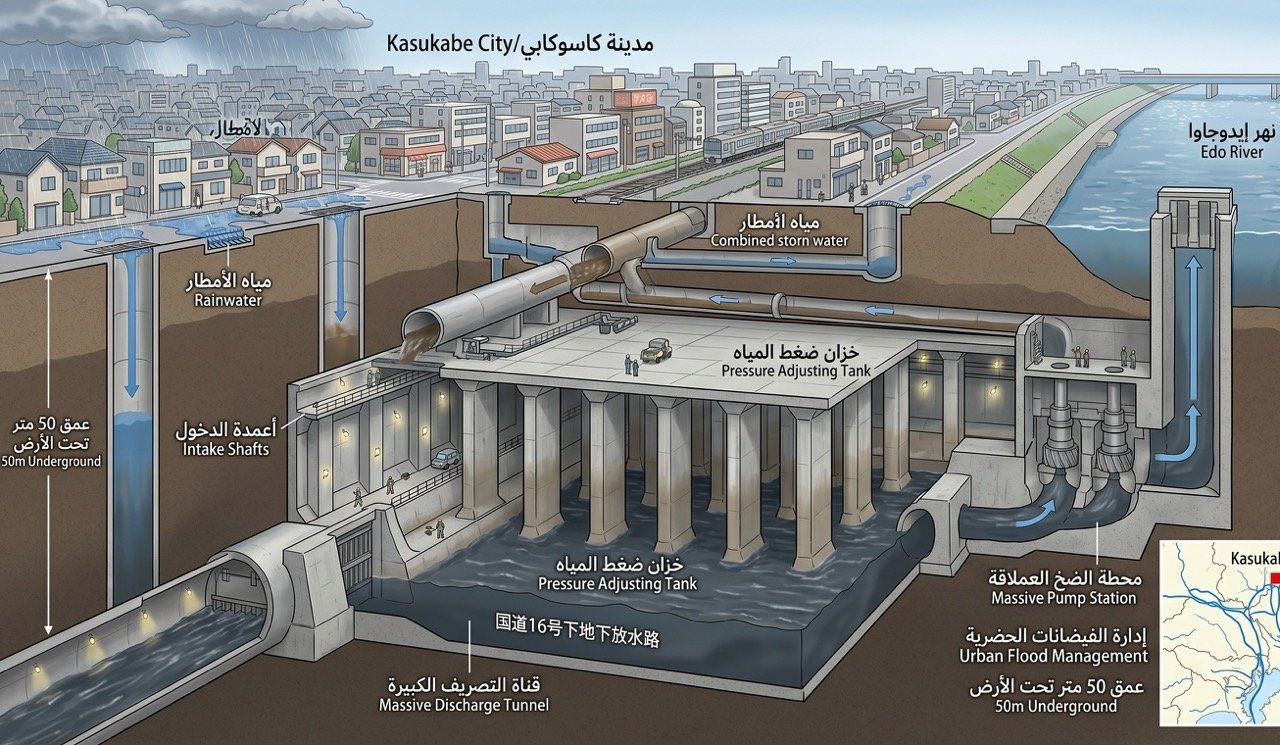
Toyota restored production in 10 days after the 2011 earthquake. Nippon Steel in 14. Learn the Japanese BCP framework that turns disaster response into competitive advantage — and build one for your organisation.
 Smart Agriculture & Food Security
Open
Harvest Robots & Automated Agriculture: Japan Response to Aging Farmers
Japan average farmer is over 67. The country is automating agriculture to survive. Visit Nagoya to see self-driving tractors, strawberry robots, and harvest arms — then design your own agri-automation plan.
 Human Development & Education
Open
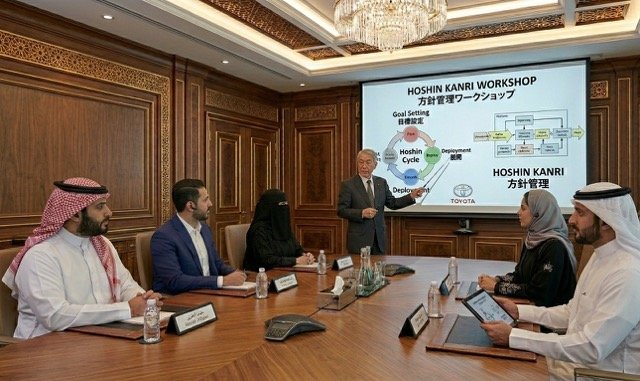
Shu-Ha-Ri: Japanese Competency Development from Imitation to Innovation
The Japanese three-stage skill acquisition model — follow the rule completely (Shu), break it after mastery (Ha), then transcend it to innovate your own method (Ri).
 Human Development & Education
Open
Kata for Leadership: Daily Practice of Scientific Thinking in Problem-Solving
The Coaching Kata daily routine as a systematic methodology for developing scientific thinking in managers — a 10-minute daily leadership habit that fundamentally changes management and problem-solving.
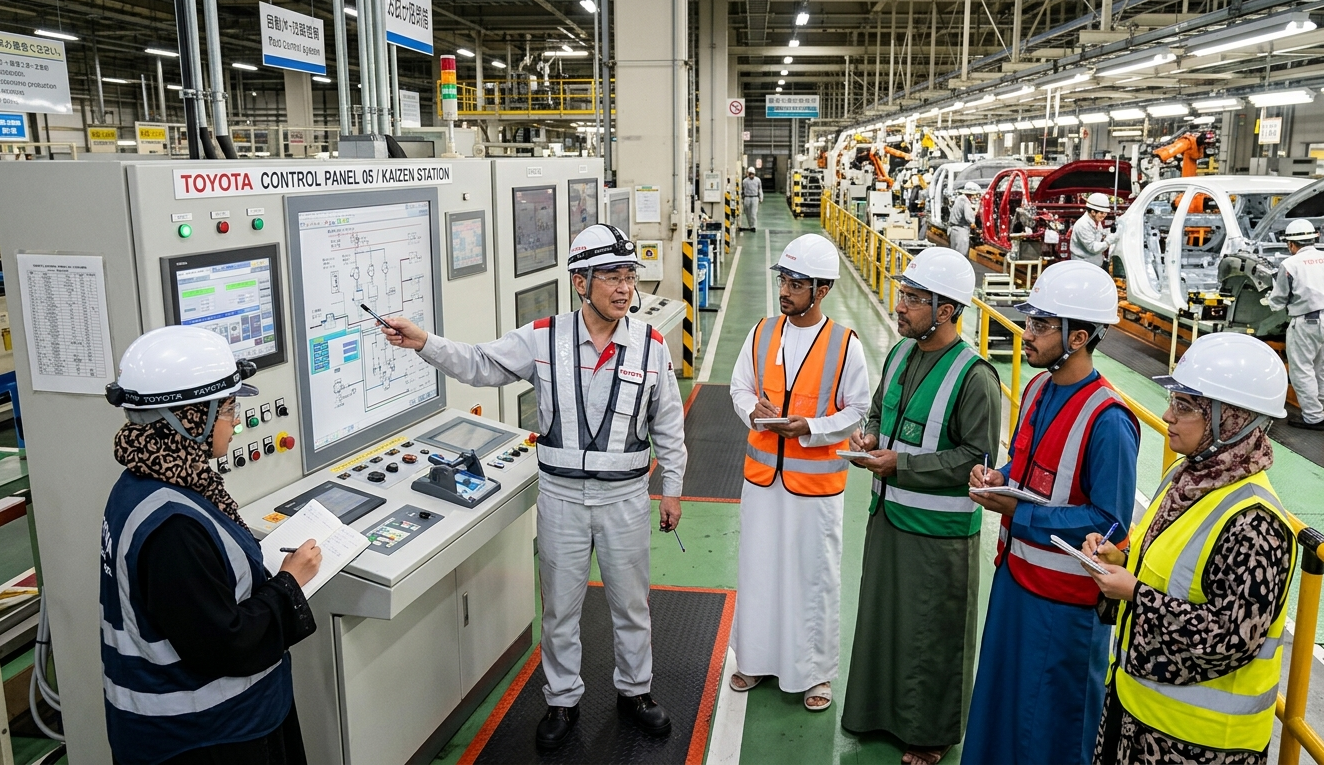 Quality & Operations
Open
5S in Government: From Factory to Office & Public Service
Take Japan's most proven workplace discipline — 5S — out of the factory and into government ministries, hospitals, and public offices. Leave with a completed 5S audit, a structured implementation plan, and the skills to sustain it independently.
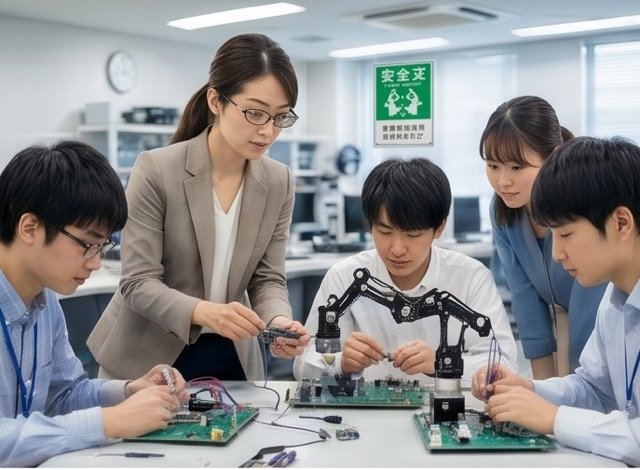 Law & Governance
Open
Japanese Corporate Compliance: Building a Culture, Not a Penalty System
Why compliance in Japan is an embedded culture not a checklist — how Japanese companies build internal control systems operating on collective self-discipline.