
Japanese BCP Model: Businesses That Never Stopped Despite Disaster
Toyota restored production in 10 days after the 2011 earthquake. Nippon Steel in 14. Learn the Japanese BCP framework that turns disaster response into competitive advantage — and build one for your organisation.
Overview
Program Objectives
- Build a comprehensive Business Continuity Plan using the Japanese tiered-resilience framework.
- Identify critical processes, minimum viable operations, and maximum tolerable downtime for each business unit.
- Design supplier-network redundancy, dual-site production, and inventory buffer strategies.
- Develop employee welfare, communication, and leadership decision-making protocols for crisis conditions.
- Design and facilitate a BCP simulation exercise for their organisation.
Requirements
- Risk managers, operations directors, C-suite executives, government continuity planners, supply chain managers, and business-unit heads responsible for organisational resilience.
Why This Program?
Toyota Was Back in 10 Days. Your Organisation Can Learn That.
Five days in Tokyo mastering the Japanese BCP model — the framework that kept businesses operating through the worst disaster in modern history.
Most BCPs are documents that sit in binders until a crisis proves they are useless. Japanese BCPs are living systems — tested, simulated, and culturally embedded — that turned Toyota, Nippon Steel, and hundreds of other firms into disaster-proof organisations. This programme teaches you to build one that actually works.
Japan is the only country where you can visit the companies that proved BCP under the most extreme conditions, speak with the executives who led recovery, and study the cultural and structural factors that made it possible — all in one programme.
Five days in Tokyo: BCP philosophy, business impact analysis workshop, structural and cultural resilience design, full-day simulation exercise, and certification upon plan completion.
Program Value
Learning Journey
Nomination Eligibility
Why Train in Japan
Why Train Overseas
Field Visits Note
Certificate Statement
How to Use This File for Nomination
Suggested Programs
 Innovation & Technology
Open
Innovation & Technology
Open
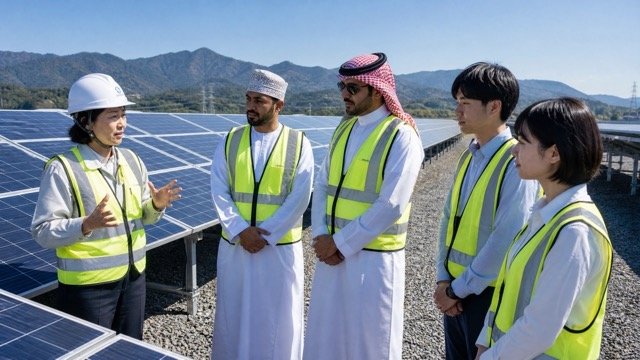
Japanese Incremental Innovation: Why Japan Makes the Best, Not the First
The philosophy that made Japan masters of incremental accumulated development — building on first inventions to produce the best through hundreds of systematic small iterations.
 Healthcare & Senior Care Technology
Open
Healthcare & Senior Care Technology
Open
AI in Early Diagnosis: Hitachi & Fujifilm Models
Japanese AI systems now detect cancers and chronic diseases earlier than human specialists alone. Learn from Hitachi and Fujifilm in Tokyo and build an AI diagnostic roadmap for your hospital.
 Innovation & Technology
Open
Innovation & Technology
Open
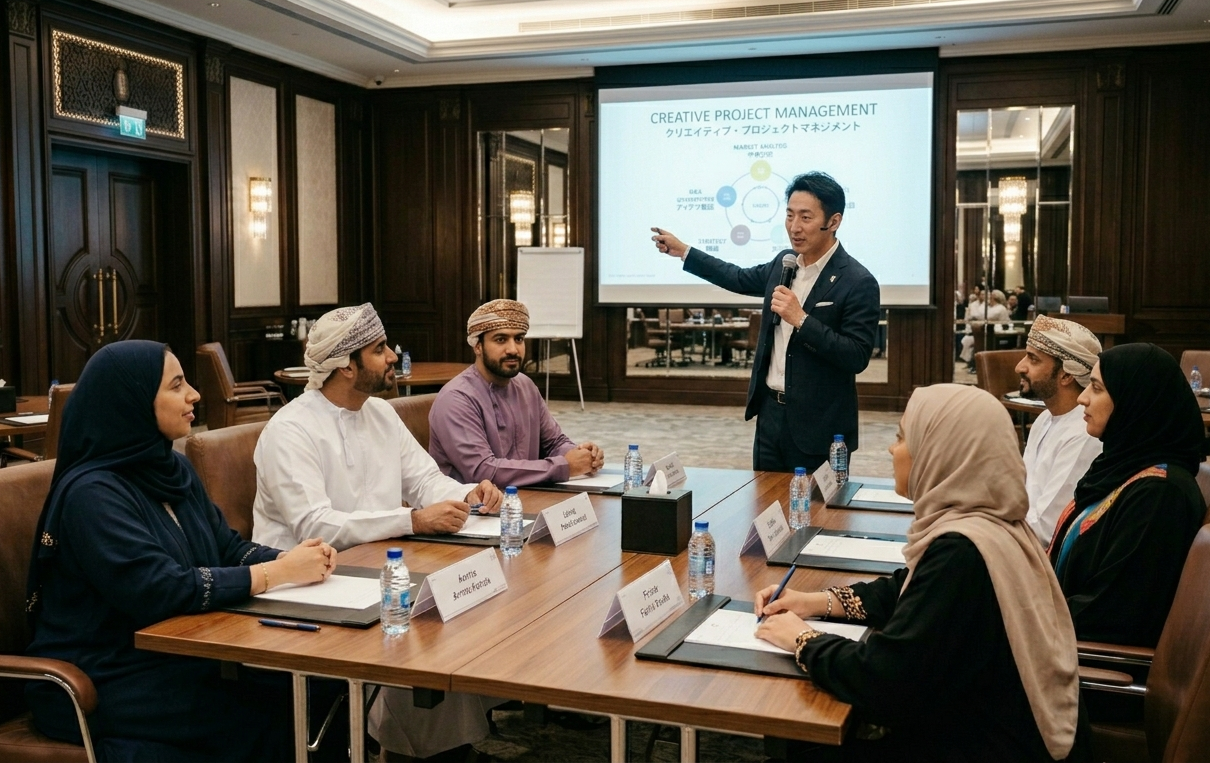
Society 5.0: Japan Vision for a Post-Digital Society
The Japanese Society 5.0 framework placing humans at the centre of technology — a vision that goes beyond digitalisation towards a society solving major civilisational challenges with AI and data.
 Disaster Management & Resilience
Open
Disaster Management & Resilience
Open
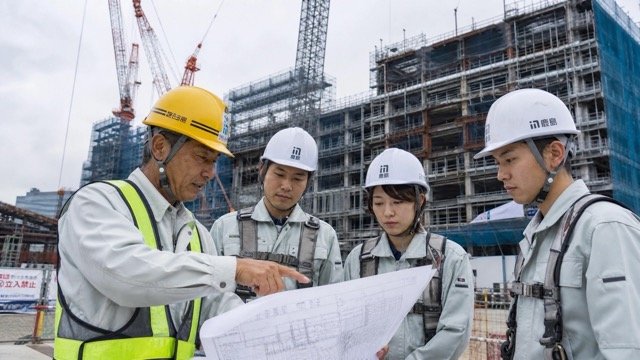
Japanese Early Warning UrEDAS & Preventive Technologies
Seconds before an earthquake, Japan's UrEDAS system detects the first seismic wave and automatically stops trains, elevators, and industrial lines — saving lives and infrastructure worth billions. Learn exactly how.
 Environment & Energy
Open
Environment & Energy
Open
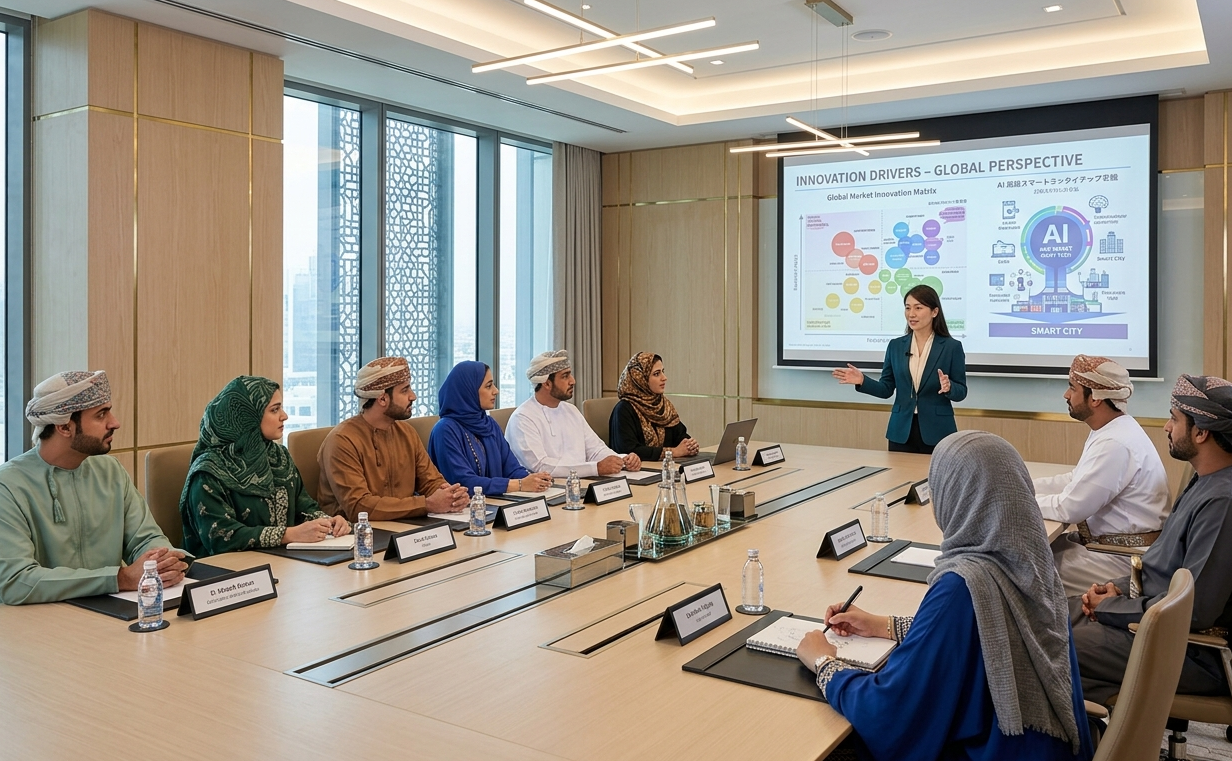
Japanese National Hydrogen Strategy & Gulf Partnership Opportunities
Japan is a global leader in the hydrogen economy with direct strategic interest in Gulf partnerships to import green hydrogen and clean ammonia — this programme opens real strategic cooperation doors.
 Quality & Operations
Open
Quality & Operations
Open
Poka-Yoke: Error-Proofing for Government & Service Sectors
Take Japan's most powerful error-prevention tool beyond the factory floor and apply it to government services, hospitals, airports, and digital workflows — eliminating human error by design, not discipline.