
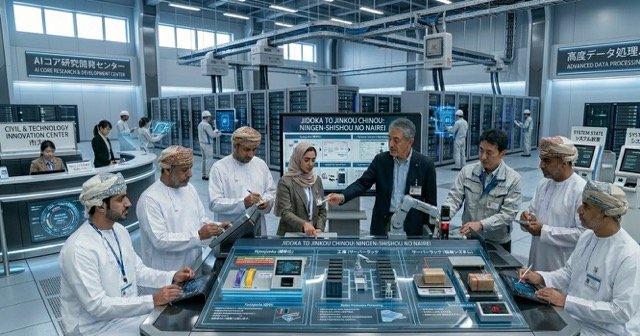
Vertical Value Chains: Interlocking Industrial Networks & National Economy Lessons
Study the vertical Keiretsu as a model for building a nationally integrated industry with high local content and resilience to external disruptions — applied lessons for Gulf localisation policies.
Overview
Program Objectives
- Understand the structure and economics of Toyota vertical Keiretsu.
- Analyse supplier development practices and their contribution to product quality.
- Design a national supplier development programme inspired by the Keiretsu model.
Requirements
- National content policy makers, industrial cluster developers, supply chain directors, and government procurement officials.
Why This Program?
Near-100% Local Content. Here Is How Toyota Did It.
Five days in the Nagoya manufacturing corridor studying the vertical Keiretsu and its lessons for Gulf localisation.
Toyota vertical Keiretsu achieves near-100% local content through 300+ tightly integrated suppliers. This programme shows you how to build similar supplier networks for national industrial development.
The Nagoya–Toyota City–Hamamatsu corridor is the densest manufacturing supply chain in the world, with suppliers co-located for maximum efficiency.
Five days in Nagoya: Keiretsu structure, supplier development, manufacturing corridor visit, local content strategies, and national application workshop.
Program Value
Learning Journey
Nomination Eligibility
Why Train in Japan
Why Train Overseas
Field Visits Note
Certificate Statement
How to Use This File for Nomination
Suggested Programs
 Management & Leadership
Open
Management & Leadership
Open
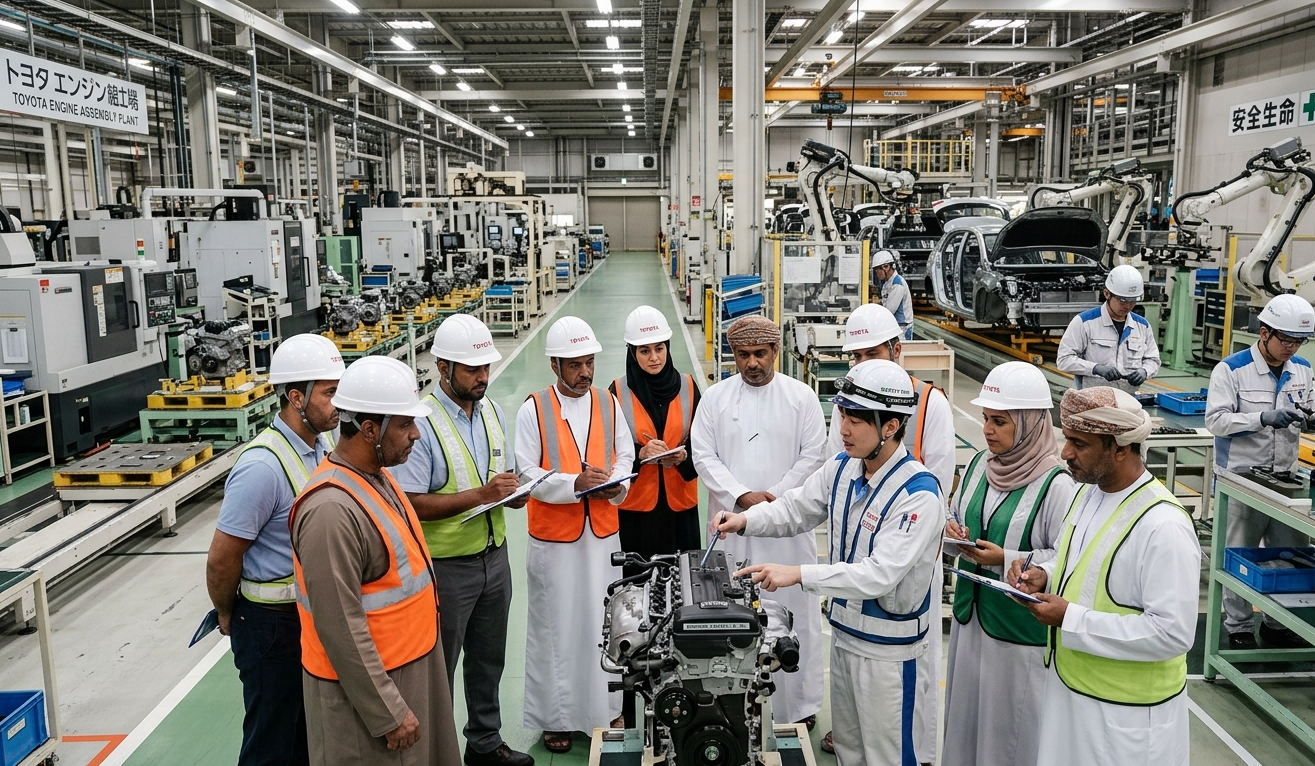
Keiretsu: Japanese Business Networks for Emerging Economies
Study Japan's legendary Keiretsu industrial network model — the architecture behind Mitsubishi, Sumitomo, and Toyota's supply chain dominance — and extract a directly applicable blueprint for Gulf economic diversification.
 Human Development & Education
Open
Human Development & Education
Open
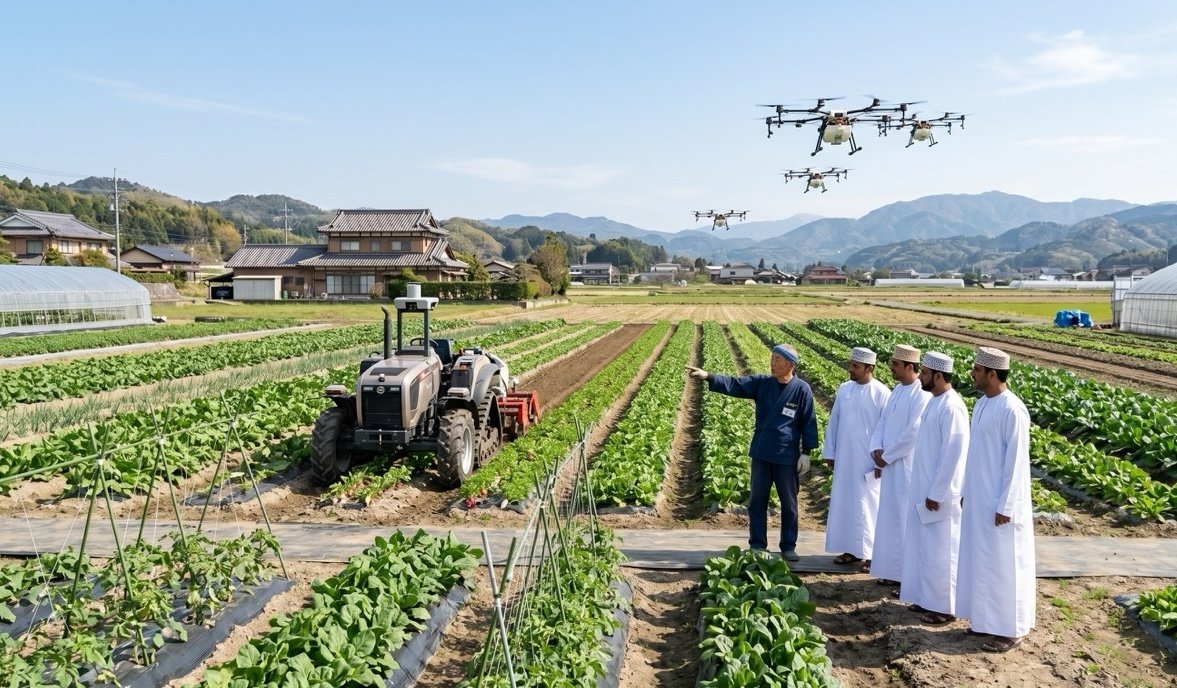
Shinrin-yoku: Forest Therapy & Employee Wellness Applications
Japanese forest bathing — a scientifically validated programme proven to lower cortisol, boost immunity, and improve focus — and how major Japanese companies integrate it in employee wellness programmes as an investment not a cost.
 Disaster Management & Resilience
Open
Disaster Management & Resilience
Open
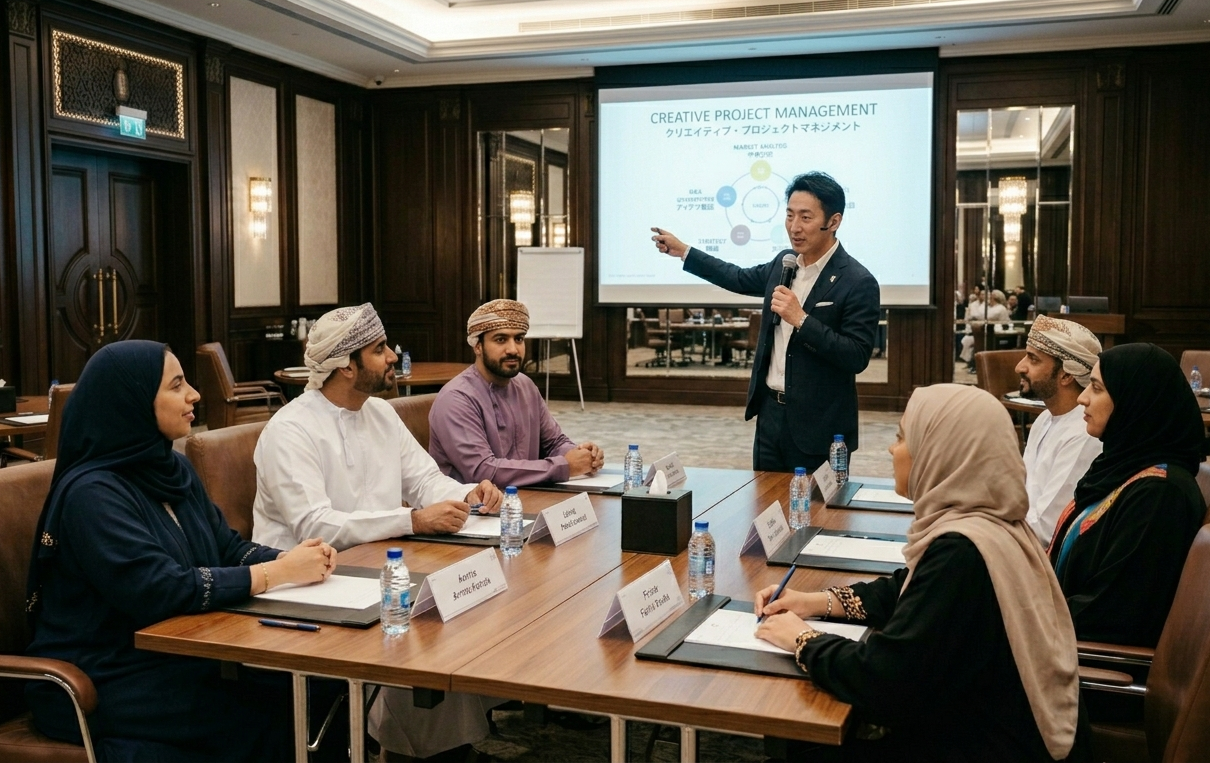
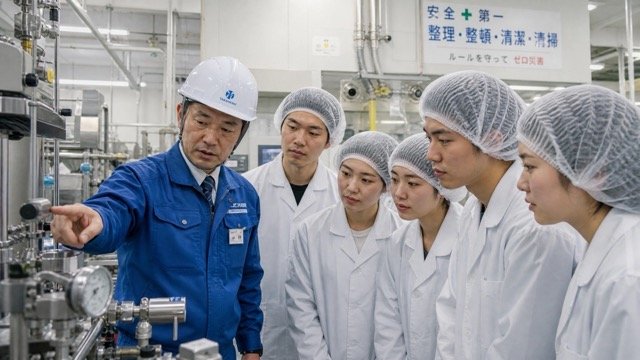
Japanese Early Warning UrEDAS & Preventive Technologies
Seconds before an earthquake, Japan's UrEDAS system detects the first seismic wave and automatically stops trains, elevators, and industrial lines — saving lives and infrastructure worth billions. Learn exactly how.
 Infrastructure & Engineering
Open
Infrastructure & Engineering
Open
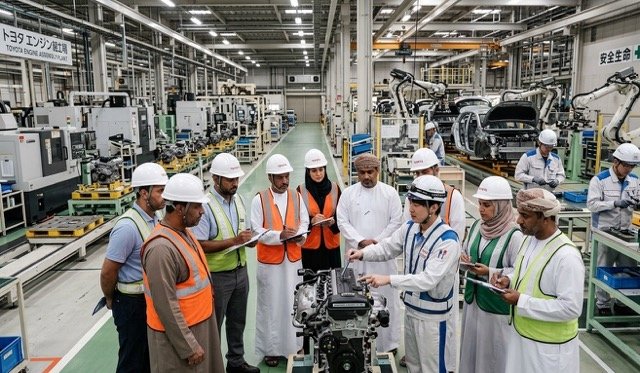
Tunnel Engineering in Seismic Environments & Soft Soil
Japan unique technologies for tunnelling in soft soil and high-seismic environments — engineering solutions unmatched anywhere else.
 Infrastructure & Engineering
Open
Infrastructure & Engineering
Open
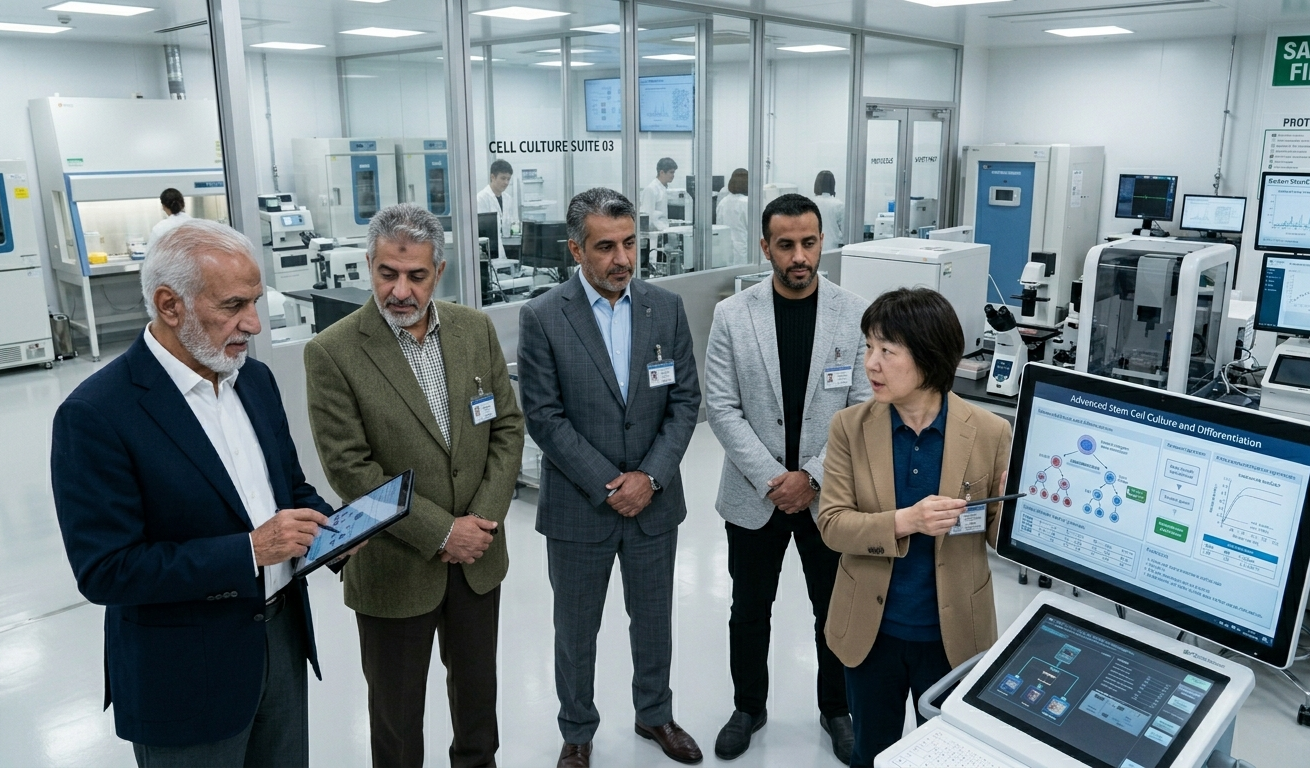
Shinkansen: Precision & Safety Engineering in the Fastest Rail Lines
Not just the train — the managerial, engineering, and operational system that keeps the Shinkansen arriving within 36 seconds over six decades with zero passenger fatalities from operations.
 Disaster Management & Resilience
Open
Disaster Management & Resilience
Open
Bosai Culture: Building a Resilient Society from Family to Nation
Discover how Japan — a country facing 1,500+ earthquakes per year — built the world's most resilient society, not through technology alone but through a deeply embedded national culture of preparedness called Bosai.