
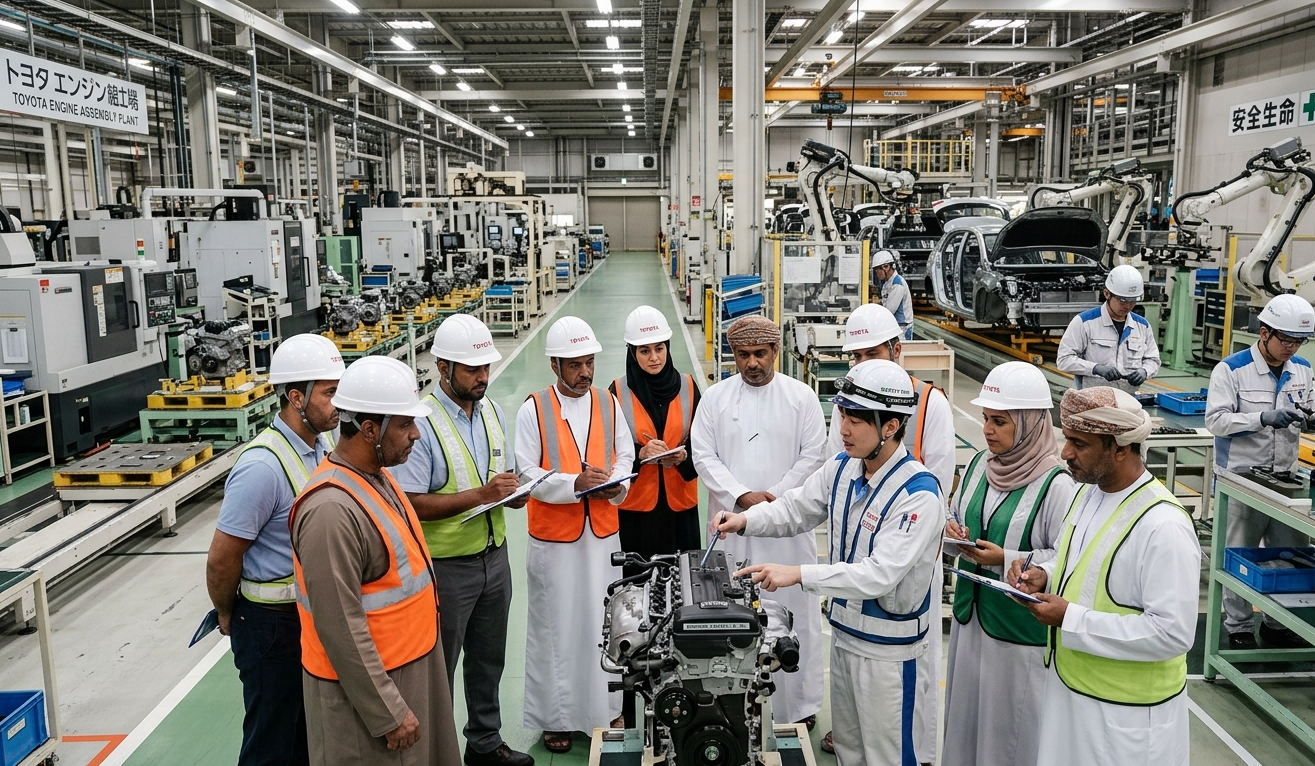
Keiretsu: Japanese Business Networks for Emerging Economies
Study Japan's legendary Keiretsu industrial network model — the architecture behind Mitsubishi, Sumitomo, and Toyota's supply chain dominance — and extract a directly applicable blueprint for Gulf economic diversification.
Overview
Program Objectives
- Understand the structural architecture of both horizontal and vertical Keiretsu and the financial mechanisms holding them together.
- Analyse cross-shareholding models, main-bank relationships, and preferential trading systems.
- Extract Keiretsu design principles applicable to Gulf industrial policy, privatisation, and national champion strategies.
- Draft a Keiretsu-inspired network design strategy for a specific sector or portfolio.
Requirements
- Senior executive or board-level role required (C-suite, Deputy Minister equivalent, or senior investment director).
- Basic familiarity with corporate governance and financial structures.
- Participants should come prepared with a target sector or industrial cluster they wish to develop.
Why This Program?
The Industrial Network Architecture That Built Japan's Economic Miracle
Five executive days in Osaka. The Keiretsu blueprint — ready for your economy.
Japan rebuilt from total destruction in 1945 to become the world's second-largest economy by 1968 — in 23 years. The Keiretsu network model was the primary industrial coordination mechanism that made this possible. As Gulf economies race to diversify and build industrial bases, the Keiretsu model offers the most proven and directly applicable blueprint available.
The Keiretsu networks are not historical artefacts — they are living, operating systems you can observe in Osaka and Tokyo today. Visiting the commercial and industrial districts of Osaka, speaking with executives from within Keiretsu groups, provides strategic insight available nowhere else.
Five days in Osaka: Keiretsu history and financial mechanics, manufacturing cluster visit, Gulf application workshops, and board-level strategy presentations on Day 5 — with expert feedback from Japanese industry specialists.
Program Value
Learning Journey
Nomination Eligibility
Why Train in Japan
Why Train Overseas
Field Visits Note
Certificate Statement
How to Use This File for Nomination
Suggested Programs
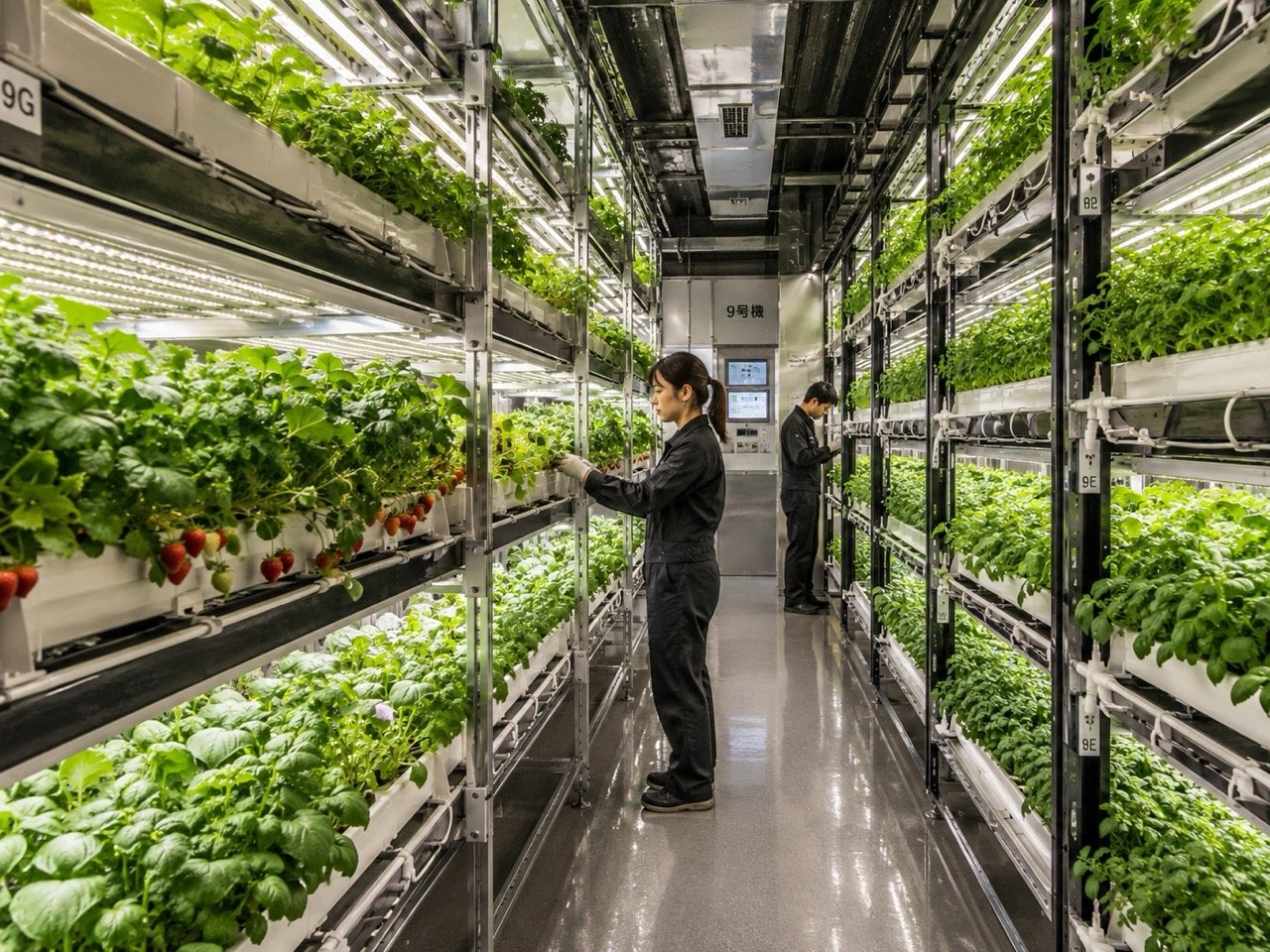 Hospitality & Customer Experience
Open
Hospitality & Customer Experience
Open
Organisational Kintsugi: Post-Crisis Leadership & Rebuilding with Gold
The Kintsugi philosophy applied to leading organisations after crises and failure — cracks are not hidden but highlighted and treated to become part of the institutional maturity story.
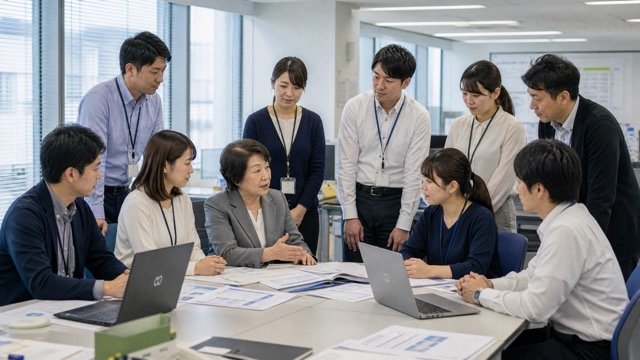 Innovation & Technology
Open
Innovation & Technology
Open
HAL Exoskeleton: From Medical Therapy to Industry
Study HAL technology from Cyberdyne Japan and its applications in neurological rehabilitation, factory worker assistance, and support for the elderly.
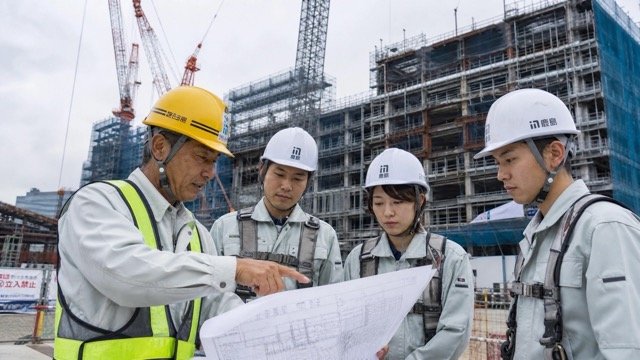 Environment & Energy
Open
Environment & Energy
Open
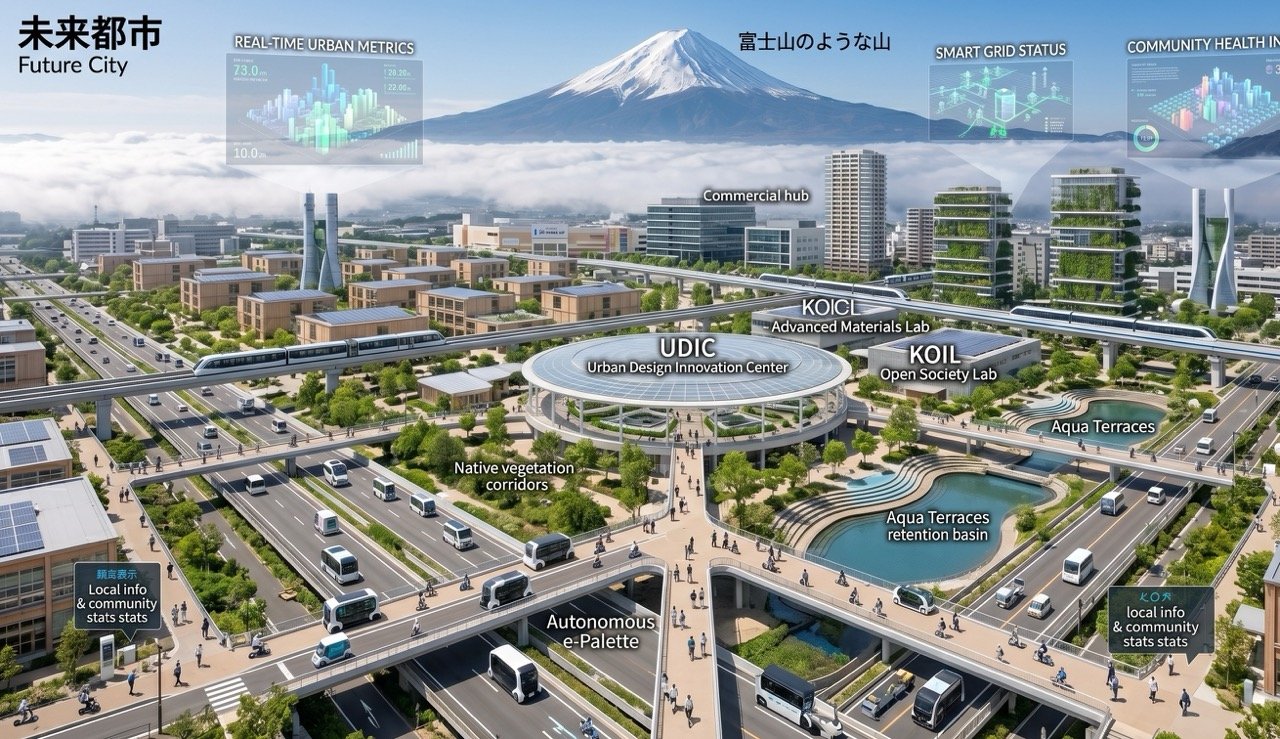
Japanese National Hydrogen Strategy & Gulf Partnership Opportunities
Japan is a global leader in the hydrogen economy with direct strategic interest in Gulf partnerships to import green hydrogen and clean ammonia — this programme opens real strategic cooperation doors.
 Human Development & Education
Open
Human Development & Education
Open
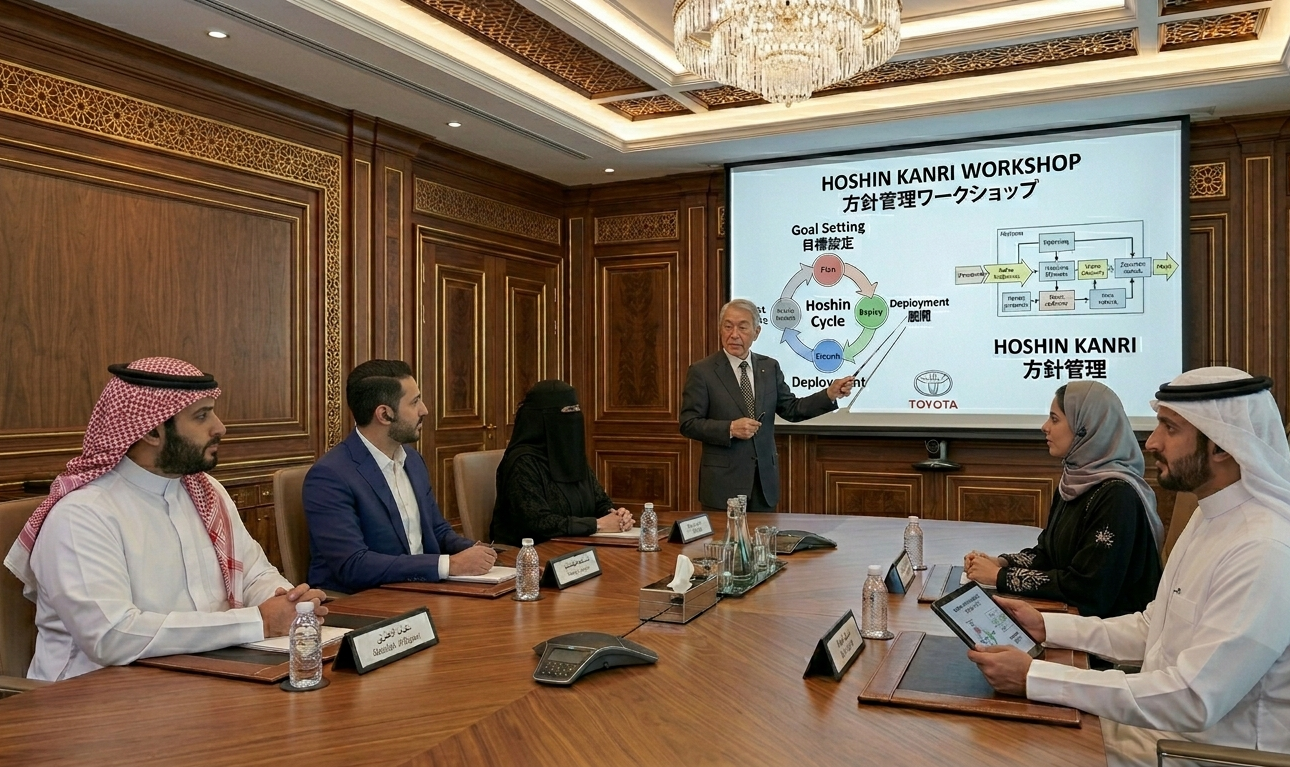
Shu-Ha-Ri: Japanese Competency Development from Imitation to Innovation
The Japanese three-stage skill acquisition model — follow the rule completely (Shu), break it after mastery (Ha), then transcend it to innovate your own method (Ri).
 Management & Leadership
Open
Management & Leadership
Open
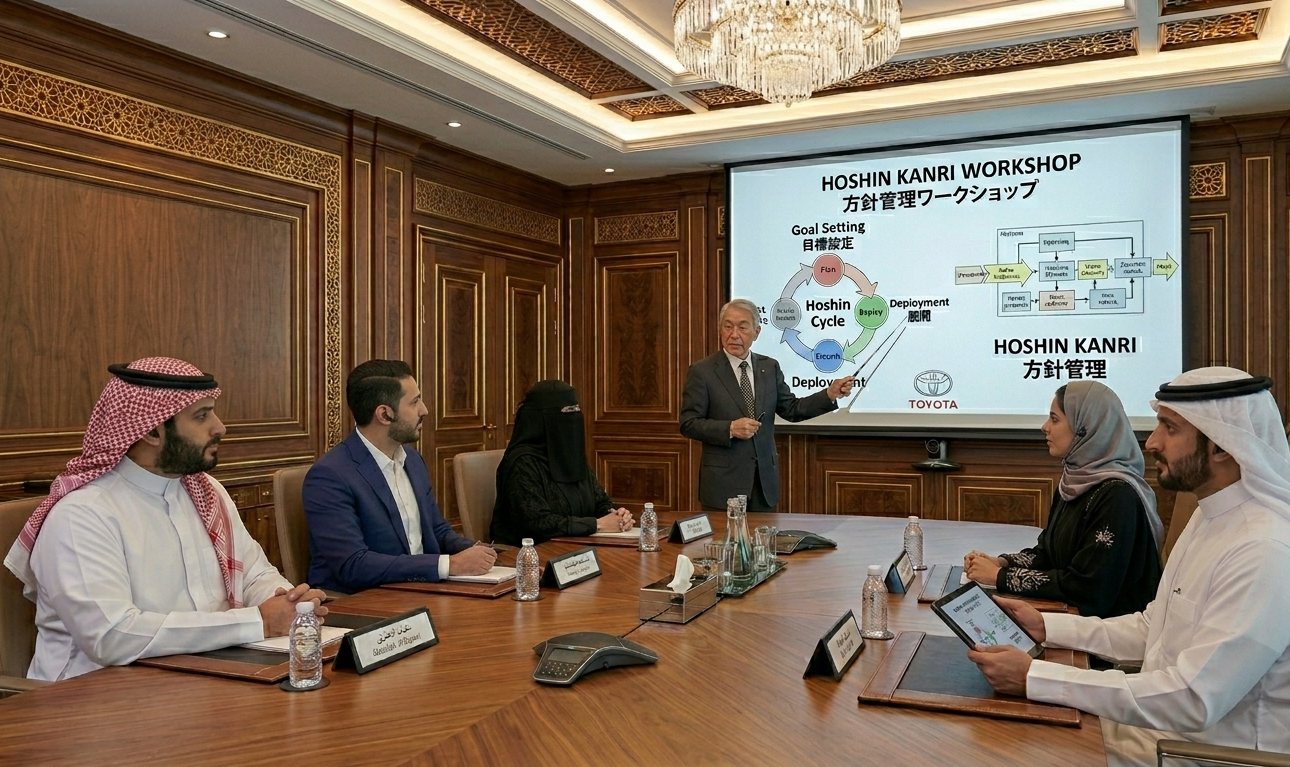
Organisational Ikigai: Building a Purpose-Driven Culture
Transform your organisation's retention and engagement crisis using Japan's most profound wellbeing philosophy — Ikigai — experienced in Okinawa, the world's longest-living community.
 Healthcare & Senior Care Technology
Open
Healthcare & Senior Care Technology
Open
Kaigo: Japanese Elderly Care System & Applications in Gulf Communities
Japan became the world first super-aged society and built the Kaigo system to make ageing dignified, affordable, and community-based. Learn it in Tokyo and adapt it to Gulf communities.