
Hoshin Kanri: From Vision to Daily Action
Apply the Japanese policy-deployment methodology to cascade top-level goals into daily accountable tasks at every organisational level — the system that powers Toyota, Honda, and Bridgestone.
Overview
Program Objectives
- Understand Hoshin Kanri philosophy and how it differs from MBO.
- Build an X-Matrix linking strategy to projects and KPIs.
- Facilitate catch-ball sessions across management levels.
- Monitor progress through visual PDCA management boards.
Requirements
- Minimum 3 years of management or supervisory experience.
- Basic familiarity with strategic planning concepts.
- Ability to attend all five programme days.

Why This Program?
Master the Strategy That Powers Toyota, Honda & Bridgestone
Five days in Tokyo. One system that changes how you lead forever.
Most strategic plans fail not because the strategy is wrong, but because it never reaches the people who execute it. Hoshin Kanri solves this problem permanently. Used by Toyota since the 1960s and now adopted by thousands of organisations globally, it is the only methodology that creates a living, visible connection between the boardroom and the shop floor — updated every single day.
Japan is the birthplace of Hoshin Kanri and home to the world's most rigorous implementers. No classroom case study replaces walking through the same corridors where Bridgestone executives built the first X-Matrix in 1965. Tokyo gives this programme an authenticity and depth that no other location can match.
Five days of intense, hands-on work in Tokyo: build your own X-Matrix, practice catch-ball in live simulations, visit a Japanese company that runs Hoshin Kanri daily, and return with a deployment plan ready to implement from day one.
Program Value
Learning Journey
Nomination Eligibility
Why Train in Japan
Why Train Overseas
Field Visits Note
Certificate Statement
How to Use This File for Nomination
Suggested Programs
 Innovation & Technology
Open
Gemba Leadership: Decisions from the Field, Not the Office
Genchi Genbutsu as a deep leadership methodology — how Japanese managers make decisions based on visible reality rather than reports, with field application in real Japanese facilities.
 Environment & Energy
Open
Kitakyushu: From Pollution City to Global Sustainability Capital
Kitakyushu journey from Japan most polluted city in the 1960s to a UN model for environmental transformation — with field visits to sustainability infrastructure and recycling plants.
 Healthcare & Senior Care Technology
Open
AI in Early Diagnosis: Hitachi & Fujifilm Models
Japanese AI systems now detect cancers and chronic diseases earlier than human specialists alone. Learn from Hitachi and Fujifilm in Tokyo and build an AI diagnostic roadmap for your hospital.
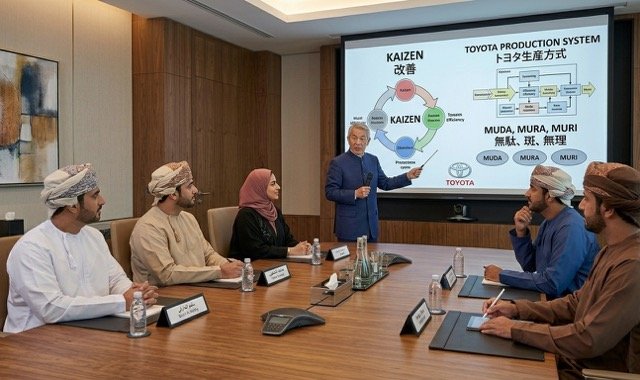 Smart Agriculture & Food Security
Open
Satoyama: Balanced Agriculture Philosophy & Rural Planning Applications
Satoyama landscapes blend forests, rice paddies, and villages into a sustainable land-use system recognised by UNESCO. Visit Kyoto to learn how this model can inspire rural development and food security in your country.
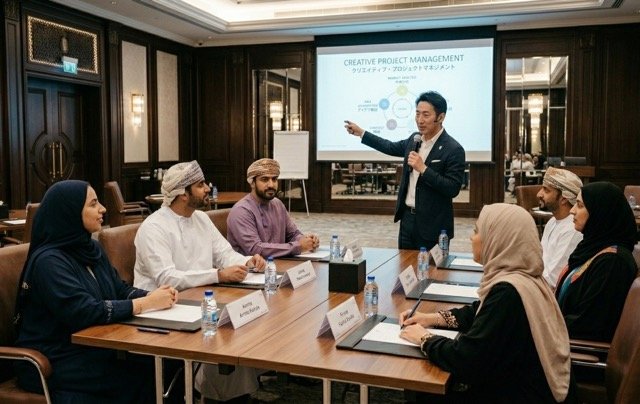 Infrastructure & Engineering
Open
Underground Sewage Systems: Kasukabe Project & Urban Flood Management
Visit the Metropolitan Outer Underground Discharge Channel in Kasukabe — the world largest flood-control tunnel — and study how Tokyo manages urban flooding through invisible mega-infrastructure.
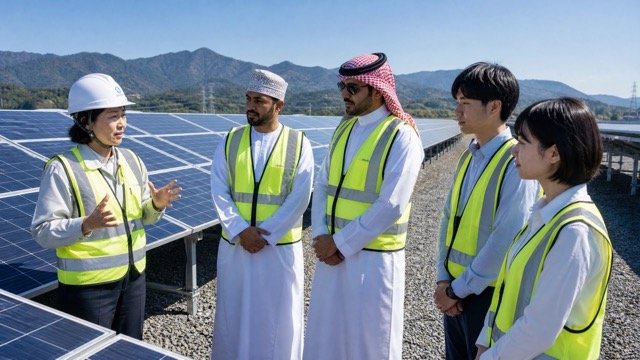 Innovation & Technology
Open
Japanese Incremental Innovation: Why Japan Makes the Best, Not the First
The philosophy that made Japan masters of incremental accumulated development — building on first inventions to produce the best through hundreds of systematic small iterations.