
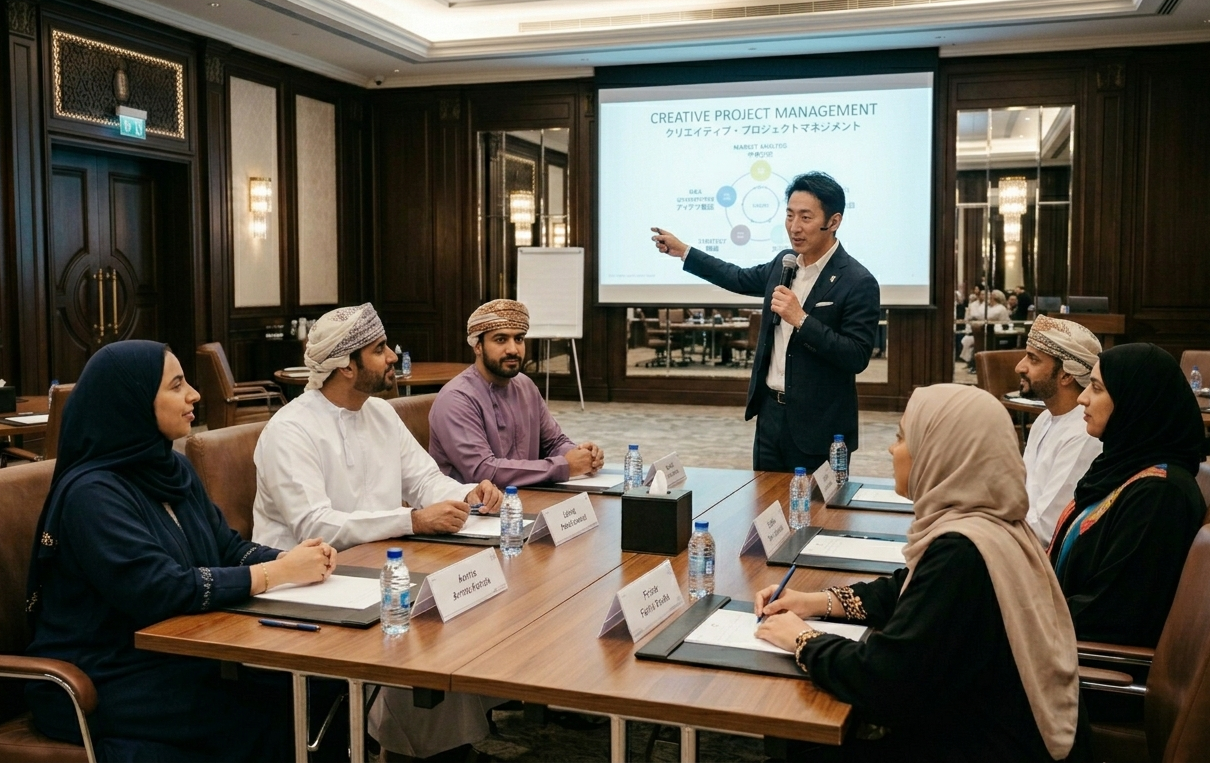
Kaizen Blitz: Intensive Improvement in Real Japanese Facilities
Compress months of process improvement into five intense days on a real Japanese factory floor — leaving with measurable results, a replicable methodology, and the confidence to lead Kaizen Blitz events independently.
Overview
Program Objectives
- Lead a complete Kaizen Blitz event from problem charter to measured results in a live industrial environment.
- Apply 5-Why root cause analysis, Ishikawa fishbone diagrams, and value-stream mapping in real operational contexts.
- Design and implement low-cost, high-impact process improvements without capital expenditure.
- Calculate and present a verified ROI from a completed Kaizen Blitz event.
Requirements
- At least 2 years in an operations, quality, engineering, or process management role.
- Basic familiarity with process flowcharting (full Lean training is not required).
- Physical ability to work in a factory environment for extended periods.
Why This Program?
Five Days. One Real Japanese Factory. Measurable Results You Can Show Your Board.
The only Kaizen Blitz programme where participants implement — not simulate — on a live production floor.
Most improvement training produces awareness, not results. This programme is different: by Day 4 you will have physically implemented a process change in a Japanese factory and measured its impact. You return home not with a certificate that says you learned Kaizen, but with a verified case study of Kaizen you actually did.
Kaizen was born in Japan and it is practised here at a level of depth and rigour unavailable anywhere else. Being embedded in a Nagoya industrial facility — the birthplace of the Toyota Production System — gives this programme an authenticity that turns theory into instinct.
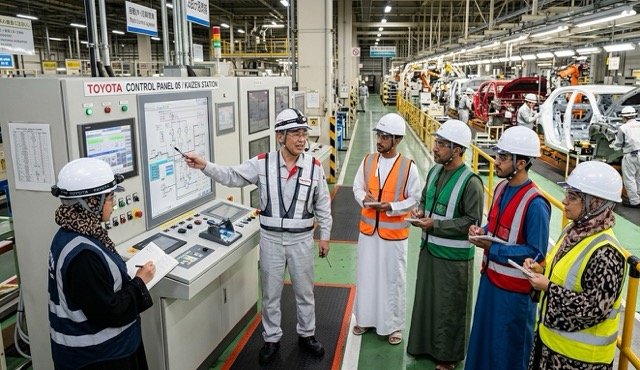
Five days of live factory-floor improvement work in Nagoya: problem chartering, root cause analysis, solution design, physical implementation, and results presentation — a complete Kaizen Blitz cycle from start to finish.
Program Value
Learning Journey
Nomination Eligibility
Why Train in Japan
Why Train Overseas
Field Visits Note
Certificate Statement
How to Use This File for Nomination
Suggested Programs
 Hospitality & Customer Experience
Open
Hospitality & Customer Experience
Open
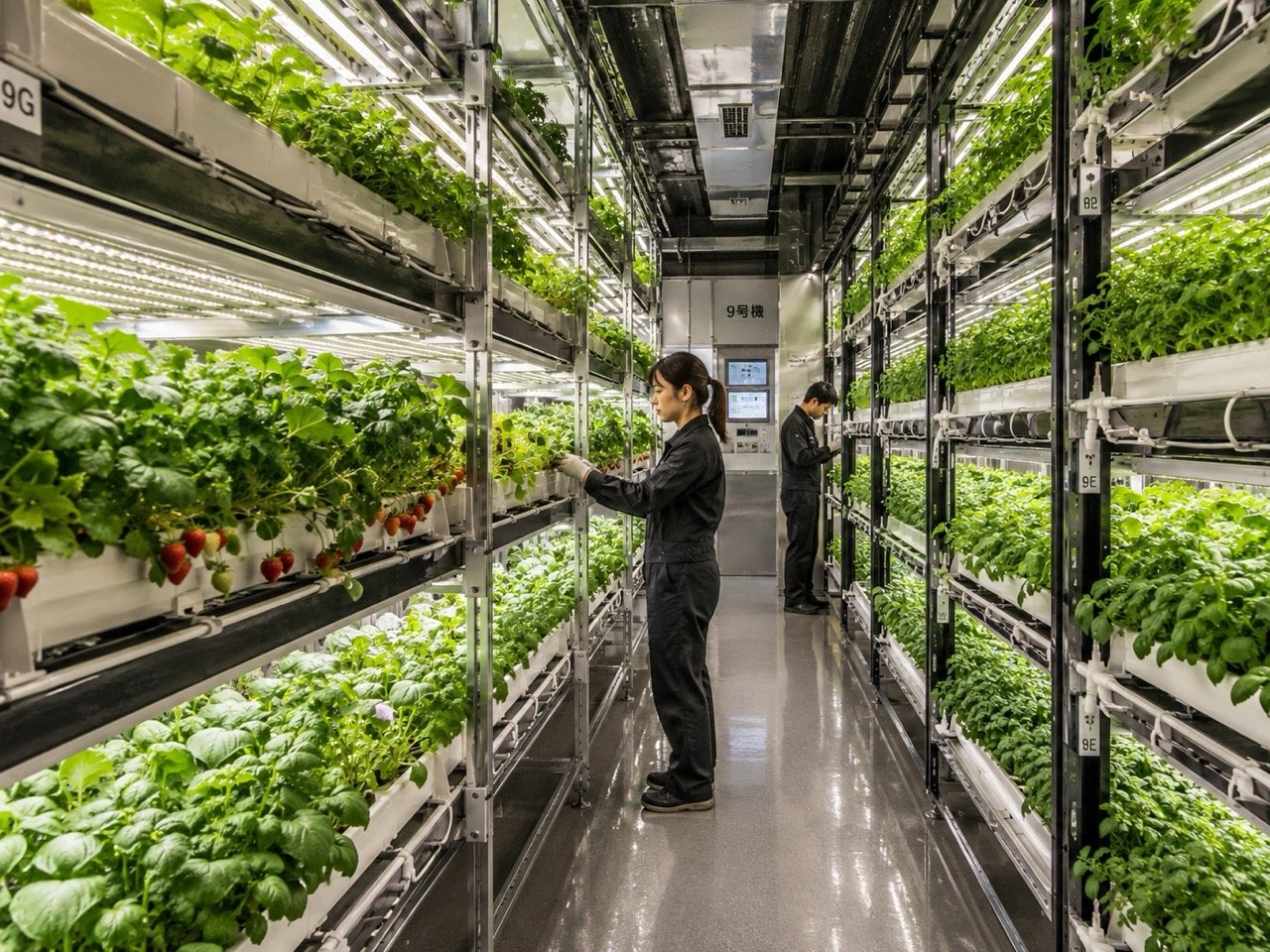
Organisational Kintsugi: Post-Crisis Leadership & Rebuilding with Gold
The Kintsugi philosophy applied to leading organisations after crises and failure — cracks are not hidden but highlighted and treated to become part of the institutional maturity story.
 Trade & Industry
Open
Trade & Industry
Open
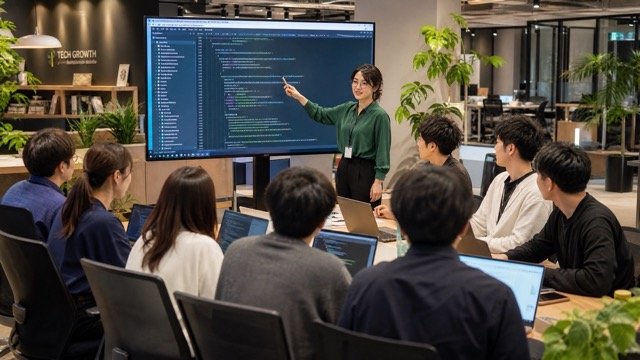
Sogo Shosha: The Japanese General Trading Company Model
How companies like Mitsubishi Corporation and Mitsui manage trade covering every sector on every continent — a unique model in capitalism with direct lessons for Gulf economic diversification.
 Quality & Operations
Open
Quality & Operations
Open
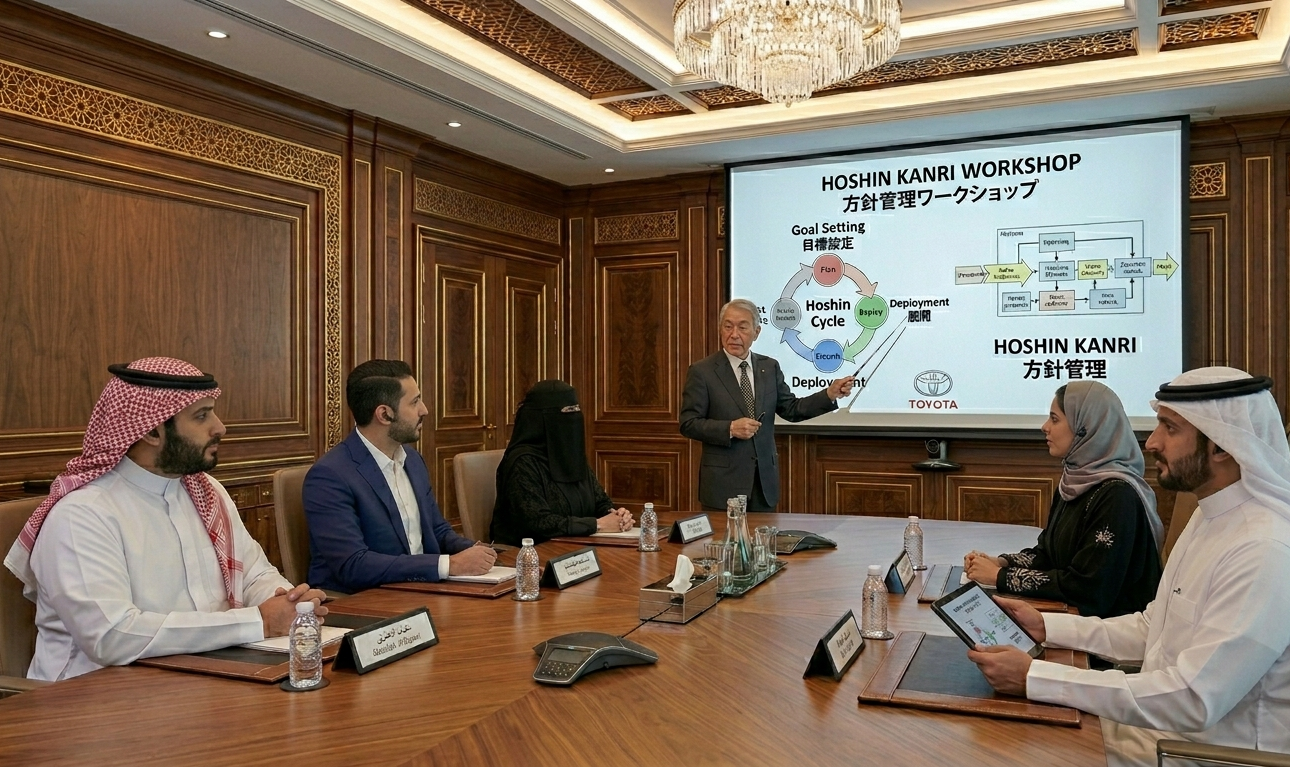
Monozukuri: Craftsmanship Philosophy & Industrial Innovation Strategy
Discover the national philosophy that made Japan the world's undisputed quality benchmark — Monozukuri, the art of making things with precision, pride, and purpose — and translate it into a durable competitive advantage for your organisation.
 Smart Agriculture & Food Security
Open
Smart Agriculture & Food Security
Open
Japanese Cold Chain Management: Zero Waste & Food Security
Japan wastes less food than almost any country. Learn the cold-chain, smart packaging, and traceability systems behind it — and design a national food-loss reduction plan.
 Environment & Energy
Open
Environment & Energy
Open
Mottainai: Japanese Zero-Waste Philosophy & Circular Economy Applications
Mottainai — a single word that encapsulates a complete national strategy for honouring resources and refusing waste — translated into circular economy policies, legislation, and industrial standards.
 Environment & Energy
Open
Environment & Energy
Open
Kitakyushu: From Pollution City to Global Sustainability Capital
Kitakyushu journey from Japan most polluted city in the 1960s to a UN model for environmental transformation — with field visits to sustainability infrastructure and recycling plants.