
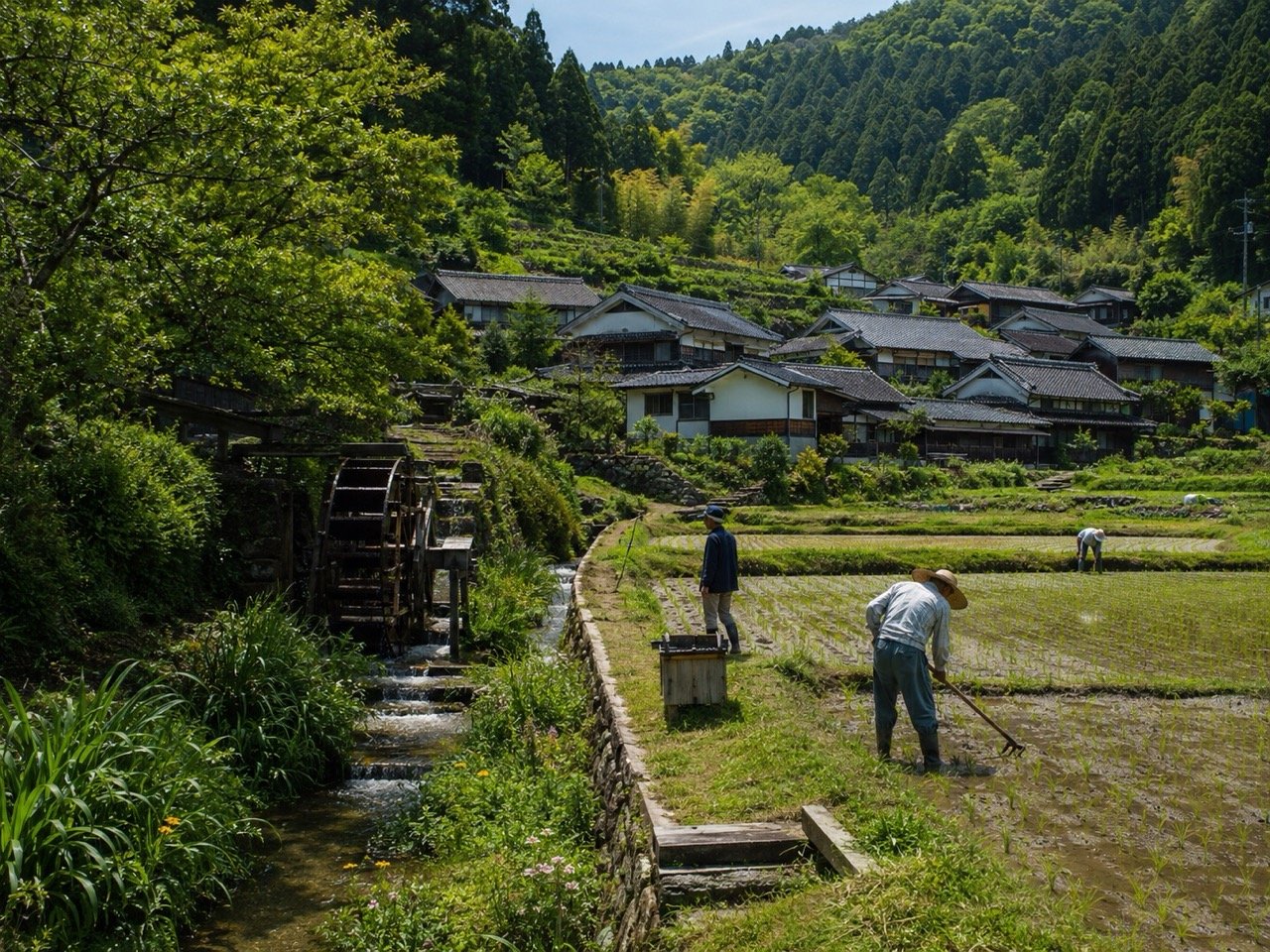
Applied Omotenashi: Engineering the Customer Experience the Japanese Way
Transform Omotenashi from a philosophy into a measurable service design tool — anticipation metrics, training models, and a field experience staying overnight in an authentic Japanese Ryokan.
Overview
Program Objectives
- Understand the Omotenashi philosophy and its seven design principles.
- Map customer journey touchpoints for anticipatory service opportunities.
- Design an Omotenashi-based service transformation plan.
Requirements
- Hospitality directors, service design leads, customer experience managers, and tourism sector executives.
Why This Program?
Omotenashi Is Not Customer Service — It Is Anticipation Engineering.
Five days in Kyoto: seven design principles, touchpoint mapping, overnight Ryokan immersion, and a service transformation plan.
Gulf hospitality and tourism sectors compete on experience. Omotenashi gives you a measurable anticipatory service framework — not slogans.
Japan invented Omotenashi — 200-year-old Ryokan traditions codified into seven design principles studied worldwide.
Five days: philosophy, touchpoint mapping, overnight Ryokan stay, training model, and transformation plan design.
Program Value
Learning Journey
Nomination Eligibility
Why Train in Japan
Why Train Overseas
Field Visits Note
Certificate Statement
How to Use This File for Nomination
Suggested Programs
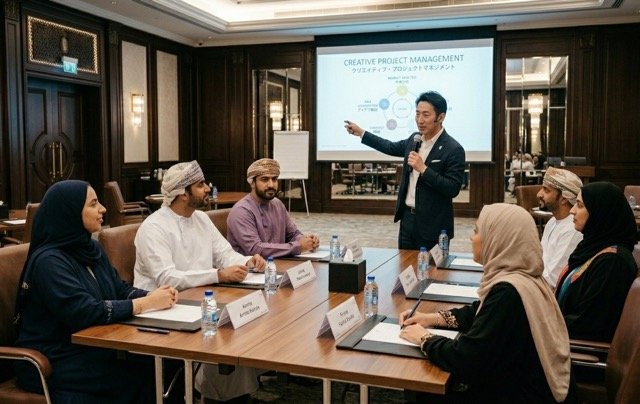 Healthcare & Senior Care Technology
Open
Kaizen in Hospitals: Continuous Improvement in Patient Pathways
Japanese hospitals cut waiting times by 60% and medication errors by 80% using Kaizen. Learn the TPS-based hospital improvement system in Tokyo and launch your own project.
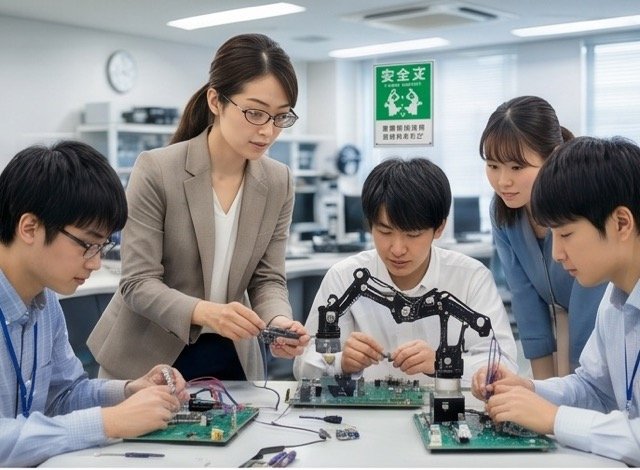 Innovation & Technology
Open
Gemba Leadership: Decisions from the Field, Not the Office
Genchi Genbutsu as a deep leadership methodology — how Japanese managers make decisions based on visible reality rather than reports, with field application in real Japanese facilities.
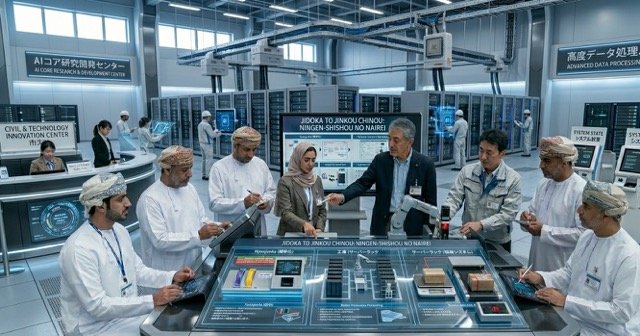 Trade & Industry
Open
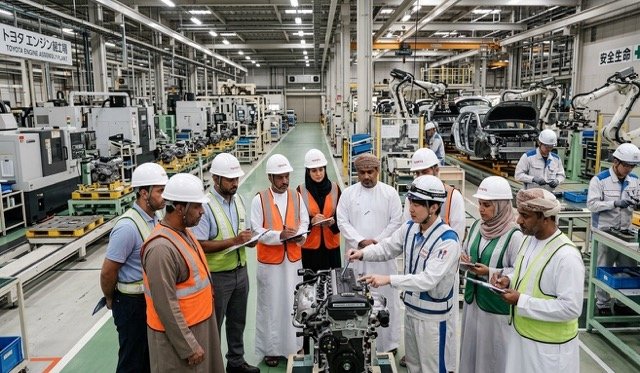
Vertical Value Chains: Interlocking Industrial Networks & National Economy Lessons
Study the vertical Keiretsu as a model for building a nationally integrated industry with high local content and resilience to external disruptions — applied lessons for Gulf localisation policies.
 Infrastructure & Engineering
Open
Shinkansen: Precision & Safety Engineering in the Fastest Rail Lines
Not just the train — the managerial, engineering, and operational system that keeps the Shinkansen arriving within 36 seconds over six decades with zero passenger fatalities from operations.
 Quality & Operations
Open
Kaizen Blitz: Intensive Improvement in Real Japanese Facilities
Compress months of process improvement into five intense days on a real Japanese factory floor — leaving with measurable results, a replicable methodology, and the confidence to lead Kaizen Blitz events independently.
 Disaster Management & Resilience
Open
Bosai Culture: Building a Resilient Society from Family to Nation
Discover how Japan — a country facing 1,500+ earthquakes per year — built the world's most resilient society, not through technology alone but through a deeply embedded national culture of preparedness called Bosai.