
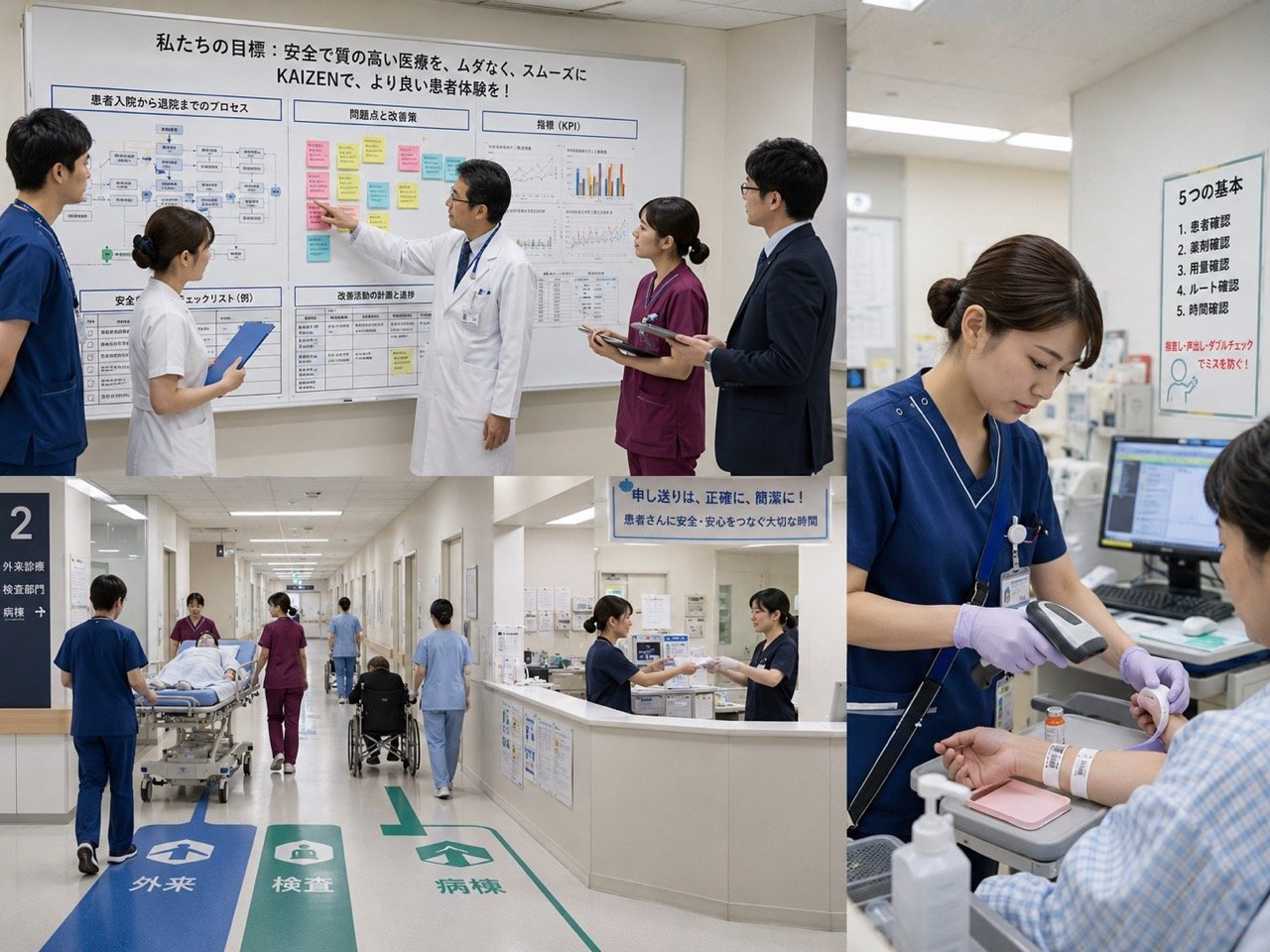
The 7-Minute System: Engineering Peak Efficiency in Government Services
How Shinkansen cleaning crews clean an entire train in seven minutes with military precision and a smile — an operational efficiency model applicable to government services and hospitals.
Overview
Program Objectives
- Understand the TESSEI 7-minute system and its operational principles.
- Apply standardised work, visual management, and team choreography to a service process.
- Design a peak-efficiency service delivery model for a government or healthcare context.
Requirements
- Government service managers, hospital operations staff, airport and transport service teams, and public-sector efficiency officers.
Why This Program?
1,323 Seats. 7 Minutes. Zero Compromise.
Five days in Tokyo: TESSEI system, standardised work, Shinkansen depot visit, process redesign, and peak-efficiency model.
The most studied operational efficiency case in the world — deconstructed and made applicable to your service counters.
Only Japan turns cleaning a train in 7 minutes into a study of dignity, pride, and standardised work.
Five days: TESSEI system, SOP design, live Shinkansen depot visit, service process redesign, and peak-efficiency model.
Program Value
Learning Journey
Nomination Eligibility
Why Train in Japan
Why Train Overseas
Field Visits Note
Certificate Statement
How to Use This File for Nomination
Suggested Programs
 Management & Leadership
Open
Management & Leadership
Open
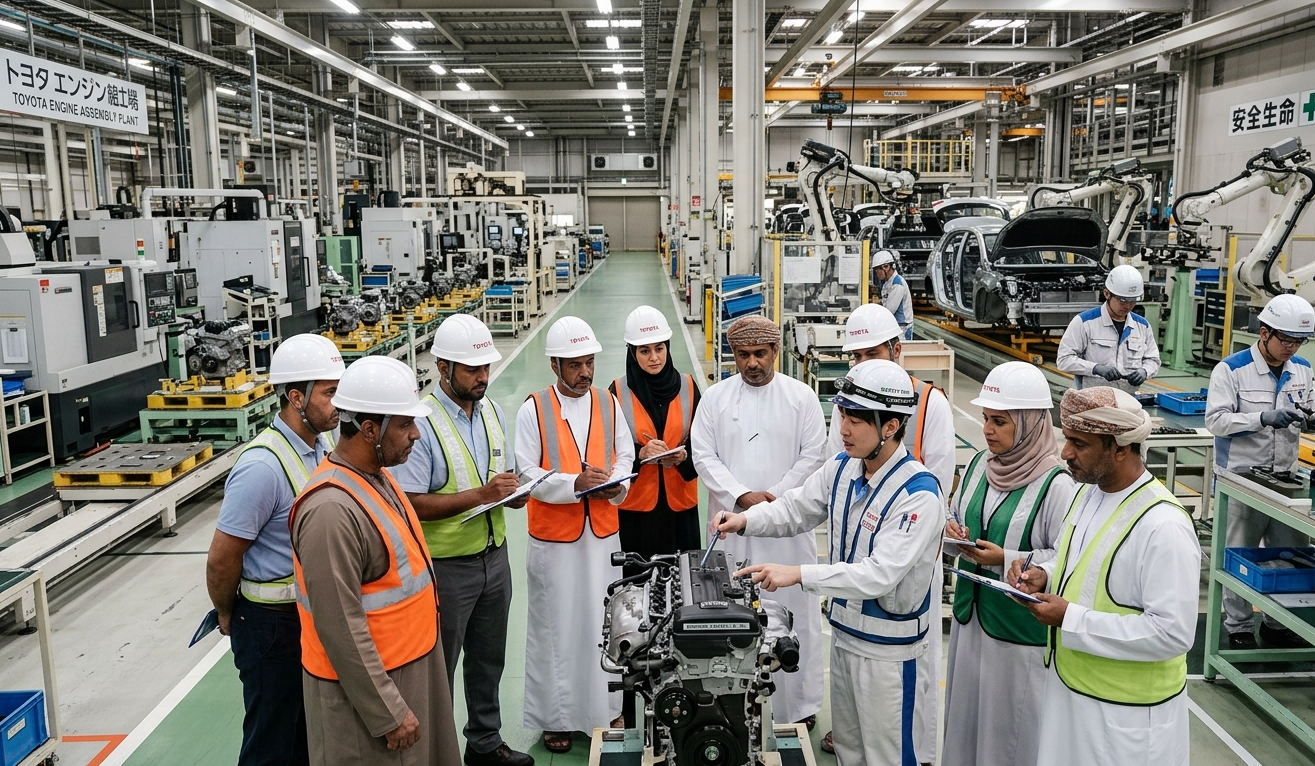
Keiretsu: Japanese Business Networks for Emerging Economies
Study Japan's legendary Keiretsu industrial network model — the architecture behind Mitsubishi, Sumitomo, and Toyota's supply chain dominance — and extract a directly applicable blueprint for Gulf economic diversification.
 Management & Leadership
Open
Management & Leadership
Open
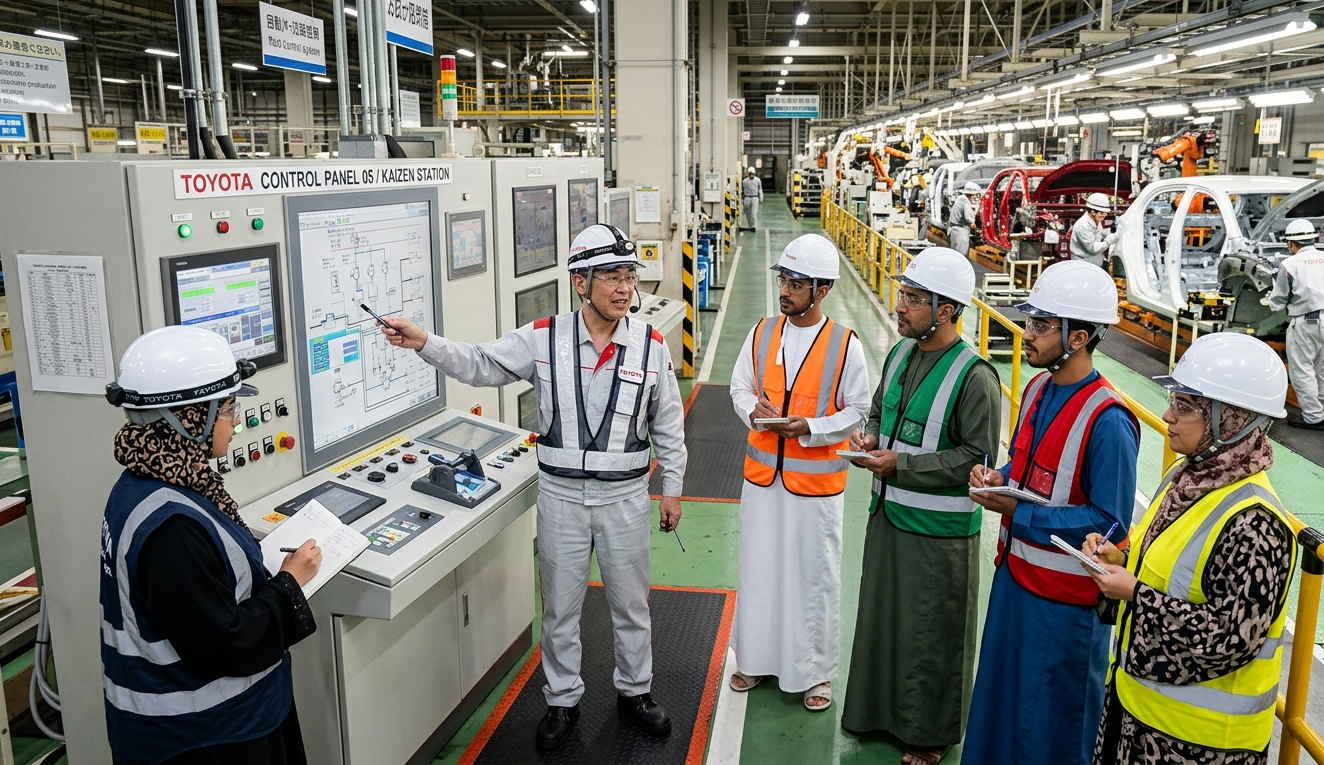
Nemawashi & Ringi: Consensus Building & Group Decision-Making
Master the invisible backbone of Japanese corporate decision-making — the Nemawashi consensus-preparation system and the Ringi formal approval process — to eliminate conflict and accelerate high-stakes decisions.
 Healthcare & Senior Care Technology
Open
Healthcare & Senior Care Technology
Open
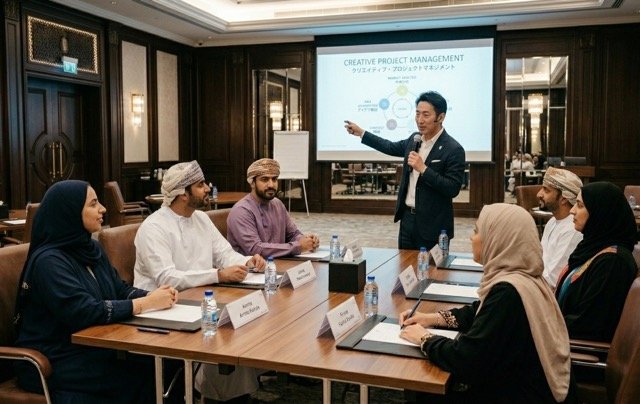
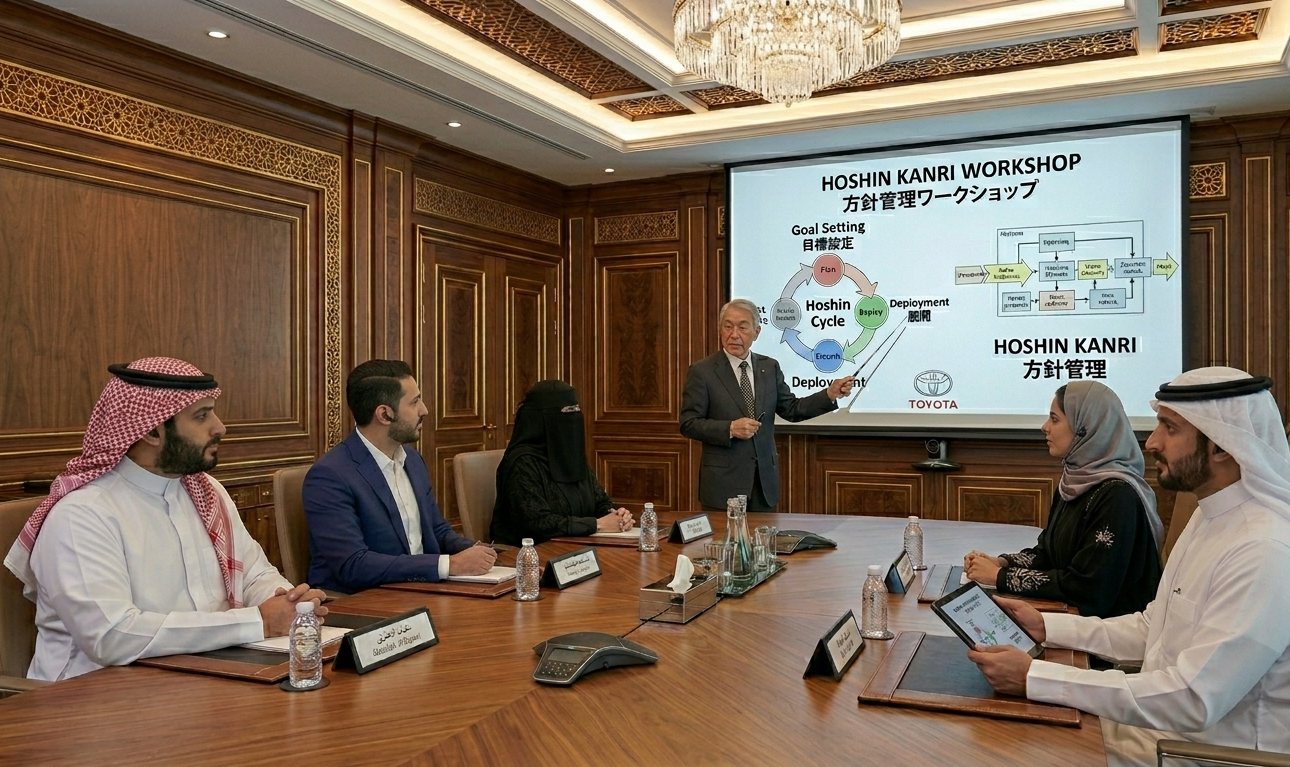
Kaizen in Hospitals: Continuous Improvement in Patient Pathways
Japanese hospitals cut waiting times by 60% and medication errors by 80% using Kaizen. Learn the TPS-based hospital improvement system in Tokyo and launch your own project.
 Healthcare & Senior Care Technology
Open
Healthcare & Senior Care Technology
Open
Kaigo: Japanese Elderly Care System & Applications in Gulf Communities
Japan became the world first super-aged society and built the Kaigo system to make ageing dignified, affordable, and community-based. Learn it in Tokyo and adapt it to Gulf communities.
 Hospitality & Customer Experience
Open
Hospitality & Customer Experience
Open
Organisational Kintsugi: Post-Crisis Leadership & Rebuilding with Gold
The Kintsugi philosophy applied to leading organisations after crises and failure — cracks are not hidden but highlighted and treated to become part of the institutional maturity story.
 Smart Agriculture & Food Security
Open
Smart Agriculture & Food Security
Open
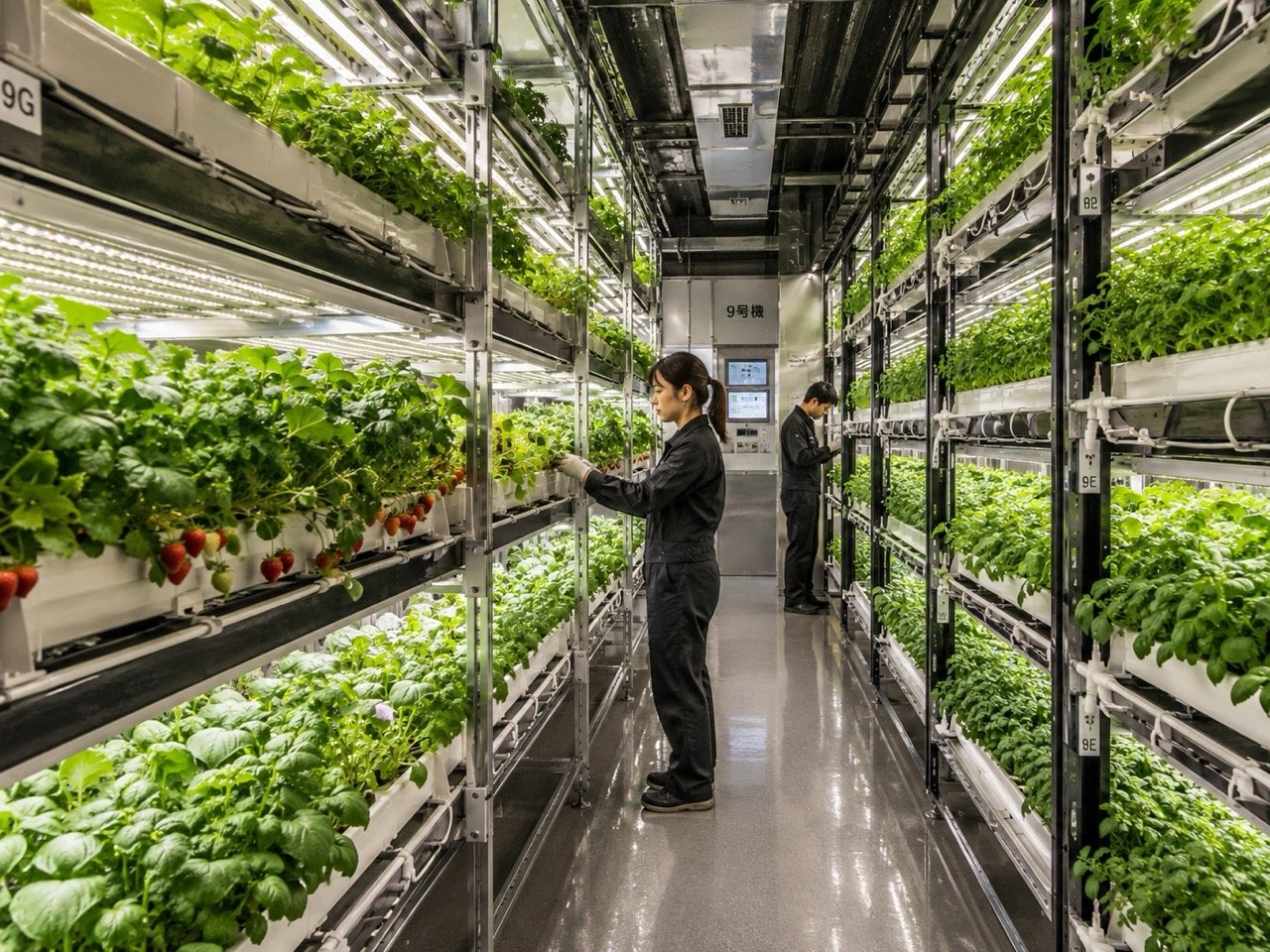
Harvest Robots & Automated Agriculture: Japan Response to Aging Farmers
Japan average farmer is over 67. The country is automating agriculture to survive. Visit Nagoya to see self-driving tractors, strawberry robots, and harvest arms — then design your own agri-automation plan.