
Kata for Leadership: Daily Practice of Scientific Thinking in Problem-Solving
The Coaching Kata daily routine as a systematic methodology for developing scientific thinking in managers — a 10-minute daily leadership habit that fundamentally changes management and problem-solving.
Overview
Program Objectives
- Understand the Improvement Kata pattern for scientific problem-solving.
- Master the Coaching Kata 5-question daily routine.
- Build a Kata practice habit in their team.
Requirements
- Managers, team leaders, quality coaches, and L&D professionals responsible for building problem-solving capability.
Why This Program?
A 10-Minute Daily Habit That Changes How Your Team Solves Problems.
Five days in Nagoya mastering the Toyota-developed Coaching Kata — a scientific thinking routine that managers coach into their teams daily.
Most management training fails because it teaches concepts but not daily habits. The Coaching Kata is a 10-minute daily routine that builds scientific thinking through deliberate practice.
The Kata were extracted from Toyota management practices by Mike Rother — Japan is the only culture where daily management routines are formalised as practice patterns.
Five days in Nagoya: Improvement Kata, Coaching Kata, intensive practice with real challenges, storyboard documentation, and 30-day practice plan.
Program Value
Learning Journey
Nomination Eligibility
Why Train in Japan
Why Train Overseas
Field Visits Note
Certificate Statement
How to Use This File for Nomination
Suggested Programs
 Disaster Management & Resilience
Open
Disaster Management & Resilience
Open
Japanese Early Warning UrEDAS & Preventive Technologies
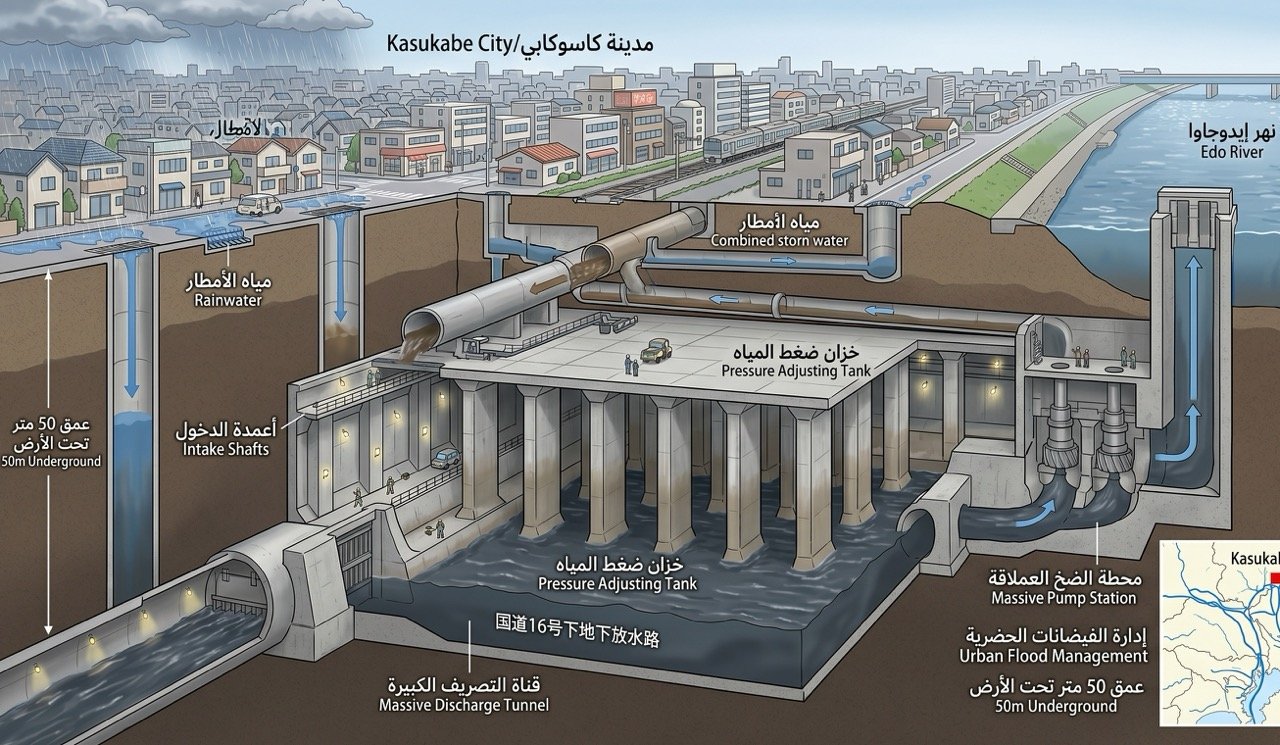
Seconds before an earthquake, Japan's UrEDAS system detects the first seismic wave and automatically stops trains, elevators, and industrial lines — saving lives and infrastructure worth billions. Learn exactly how.
 Environment & Energy
Open
Environment & Energy
Open
Japanese National Hydrogen Strategy & Gulf Partnership Opportunities
Japan is a global leader in the hydrogen economy with direct strategic interest in Gulf partnerships to import green hydrogen and clean ammonia — this programme opens real strategic cooperation doors.
 Quality & Operations
Open
Quality & Operations
Open
Monozukuri: Craftsmanship Philosophy & Industrial Innovation Strategy
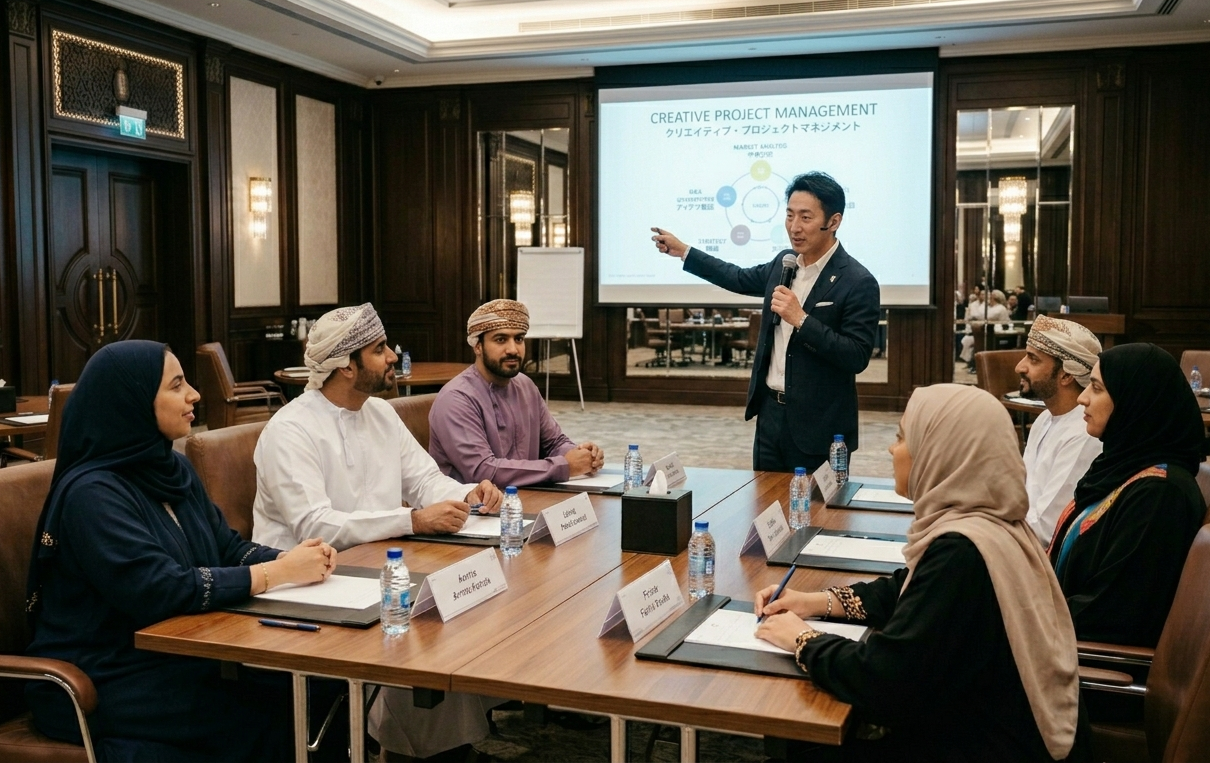
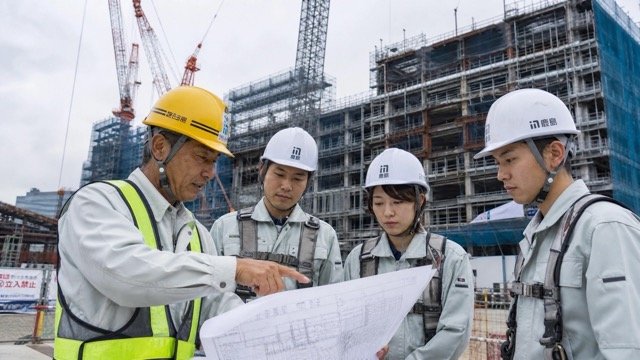
Discover the national philosophy that made Japan the world's undisputed quality benchmark — Monozukuri, the art of making things with precision, pride, and purpose — and translate it into a durable competitive advantage for your organisation.
 Healthcare & Senior Care Technology
Open
Healthcare & Senior Care Technology
Open
Healthcare Robots: PARO, HAL & Robear in the Future of Care
Touch the future of care in Tsukuba: PARO the therapeutic seal for dementia, HAL the exoskeleton that restores movement, and Robear the bear that lifts patients. Then design your own robotics pilot.
 Management & Leadership
Open
Management & Leadership
Open
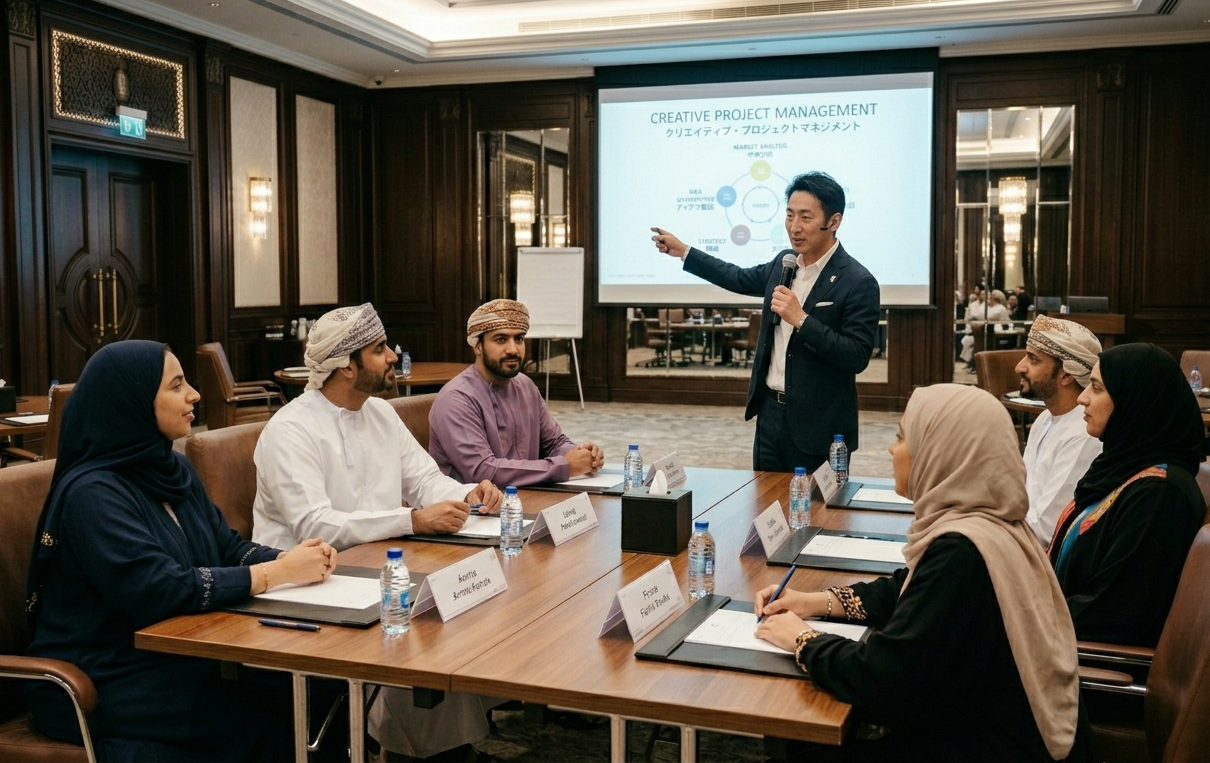
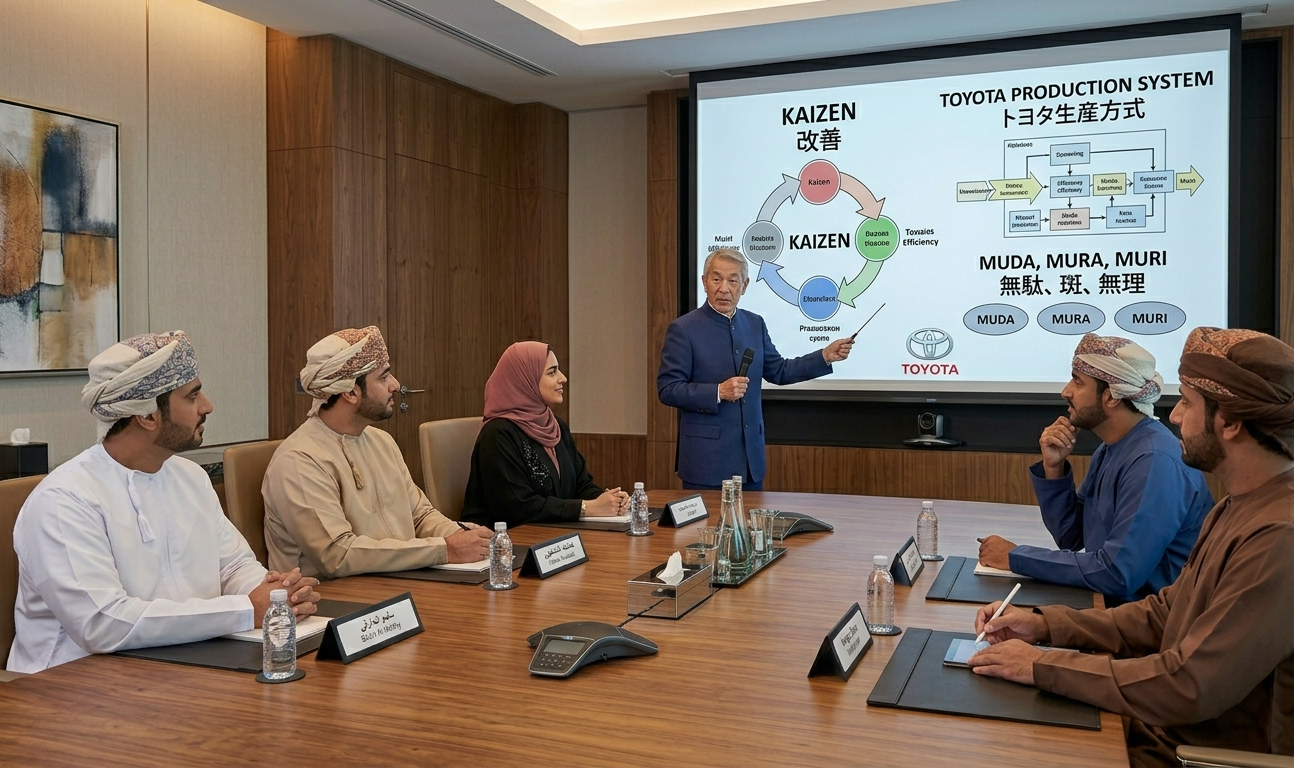
Toyota Way Leadership: The 14 Principles in Practice
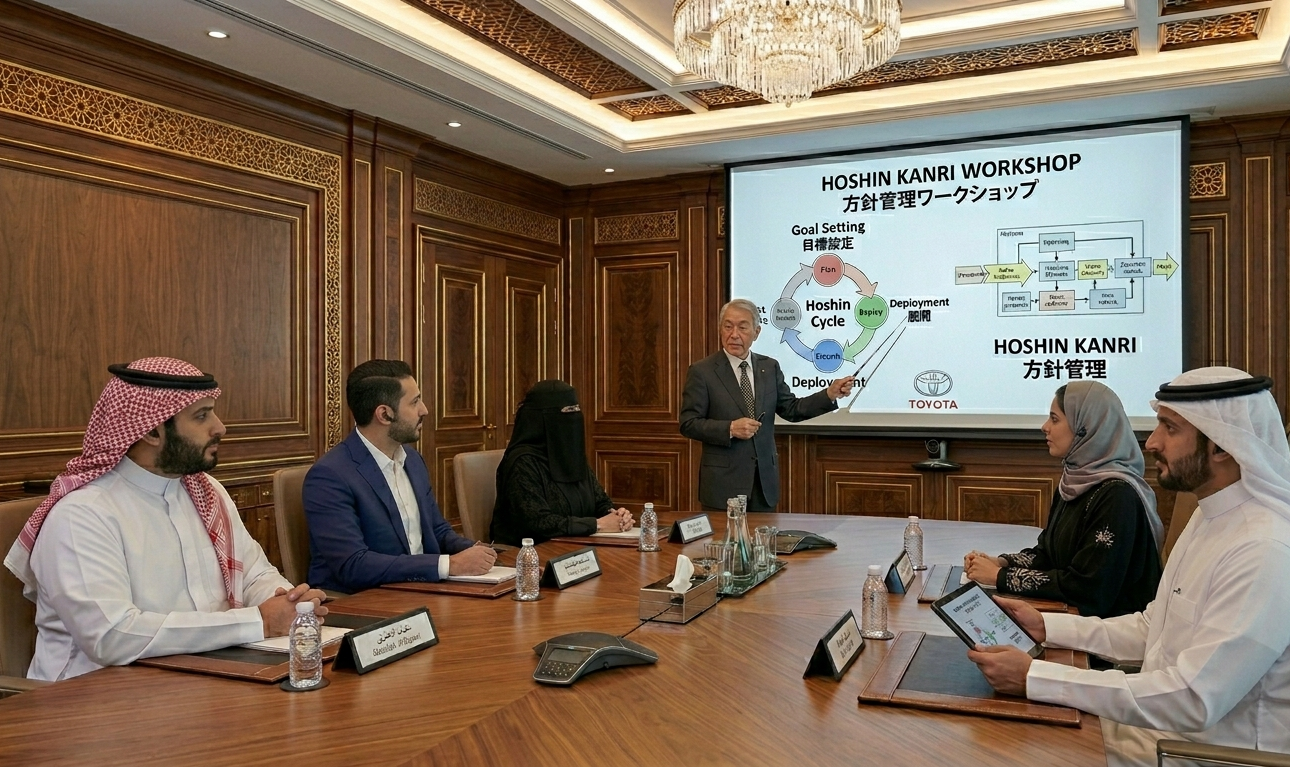
A deep immersion in the 14 principles of the Toyota Way — long-term thinking, employee and supplier development, and Genchi Genbutsu — experienced directly at Toyota City headquarters.
 Quality & Operations
Open
Quality & Operations
Open
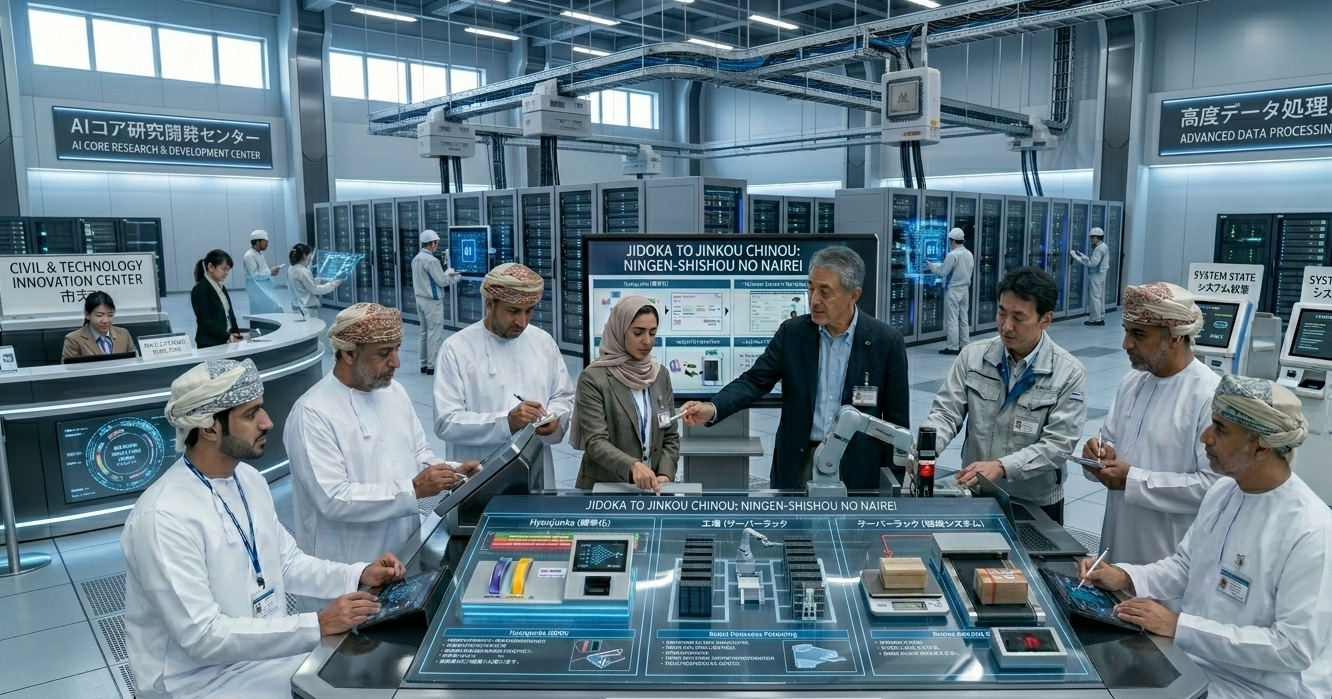
Jidoka in the Automation Age: AI with a Japanese Human-Centred Spirit
Master Japan's answer to the AI age: Jidoka — the principle that automation must detect, stop, and alert, keeping human judgment permanently at the centre of every intelligent system.