
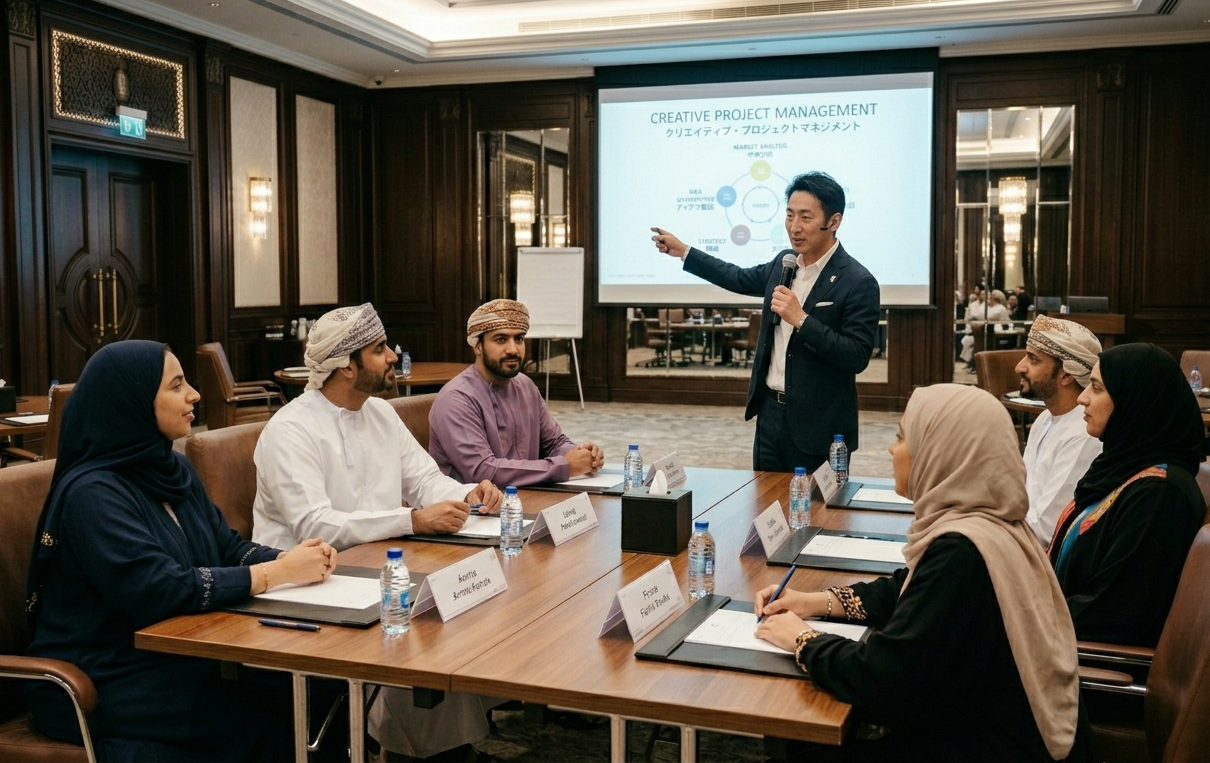
Toyota Way Leadership: The 14 Principles in Practice
A deep immersion in the 14 principles of the Toyota Way — long-term thinking, employee and supplier development, and Genchi Genbutsu — experienced directly at Toyota City headquarters.
Overview
Program Objectives
- Master the 14 Toyota Way principles and their business rationale.
- Apply Genchi Genbutsu as a daily leadership decision-making tool.
- Build integrated supplier and employee development systems.
- Distinguish between Toyota tools and Toyota philosophy to avoid superficial adoption.
Requirements
- Senior or mid-level management experience of at least 5 years.
- Reading 'The Toyota Way' by Jeffrey Liker (recommended pre-reading).
- Commitment to attend all five programme days including factory visits.
Why This Program?
Walk Where Toyota's Leaders Walk — Learn Why They Lead the World
Toyota City. Five days. Fourteen principles that reshape every decision you will ever make.
Toyota has been profitable every single year since 1955 — including during the 2008 global financial crisis — because its management system is built on principles, not on tools. Jeffrey Liker's "The Toyota Way" (2004) has sold over one million copies because leaders worldwide recognise that these 14 principles represent the most coherent and battle-tested leadership system ever documented.
You cannot truly understand the Toyota Way from a book. The principles only make sense when you stand on the factory floor, watch a line stop when a defect is detected, and feel the culture of respect and problem-solving that permeates every interaction. Toyota City is the only place where this experience is possible at full depth.
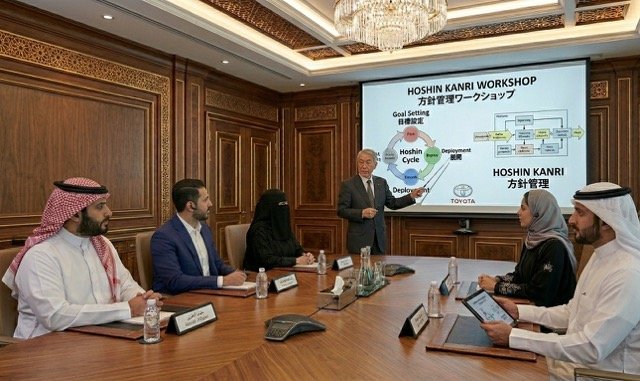
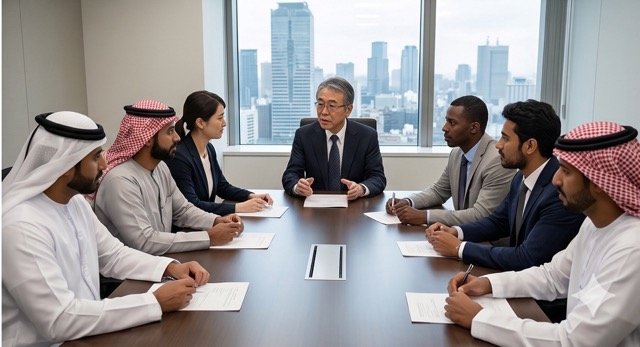
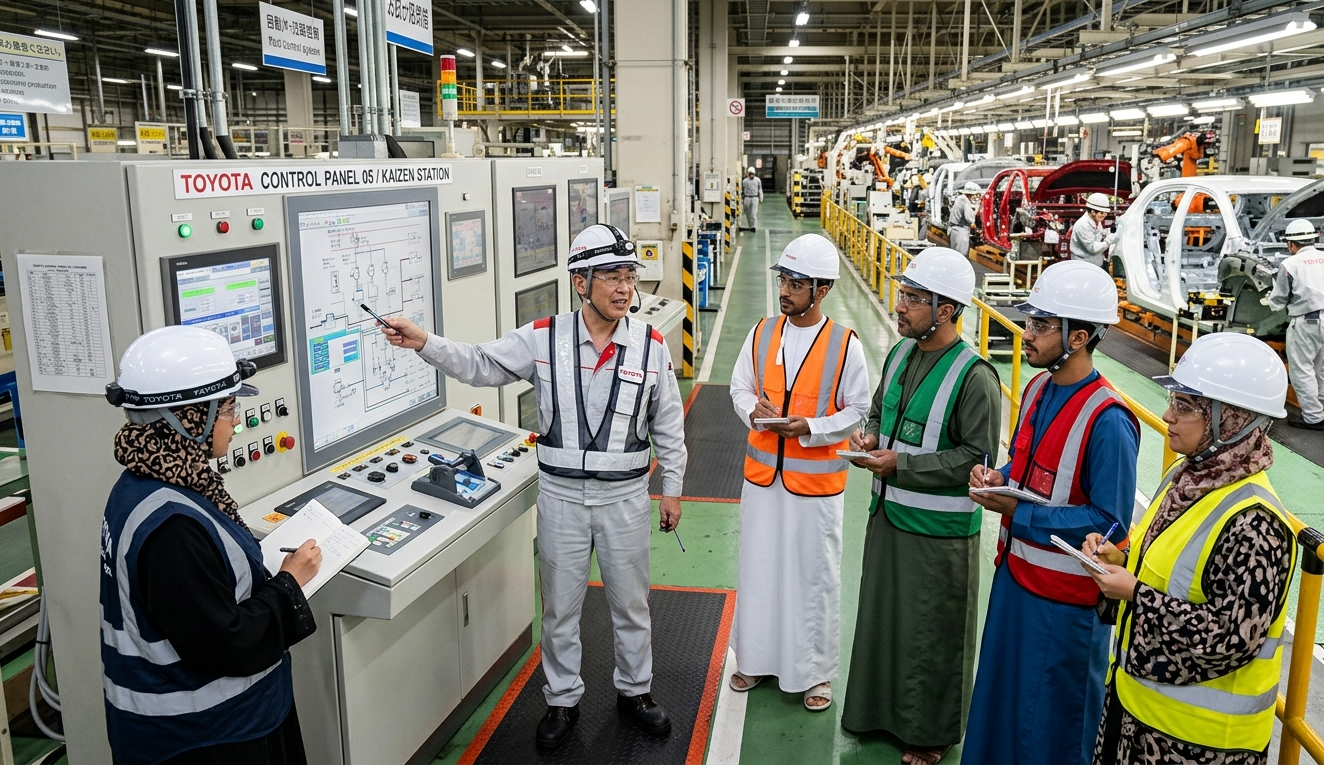
A five-day leadership expedition to Toyota City: factory tours at Motomachi or Tsutsumi, leadership workshops with Toyota alumni, deep-dive into the Toyota Production System, and a personal leadership roadmap built around the 14 principles.
Program Value
Learning Journey
Nomination Eligibility
Why Train in Japan
Why Train Overseas
Field Visits Note
Certificate Statement
How to Use This File for Nomination
Suggested Programs
 Human Development & Education
Open
Human Development & Education
Open
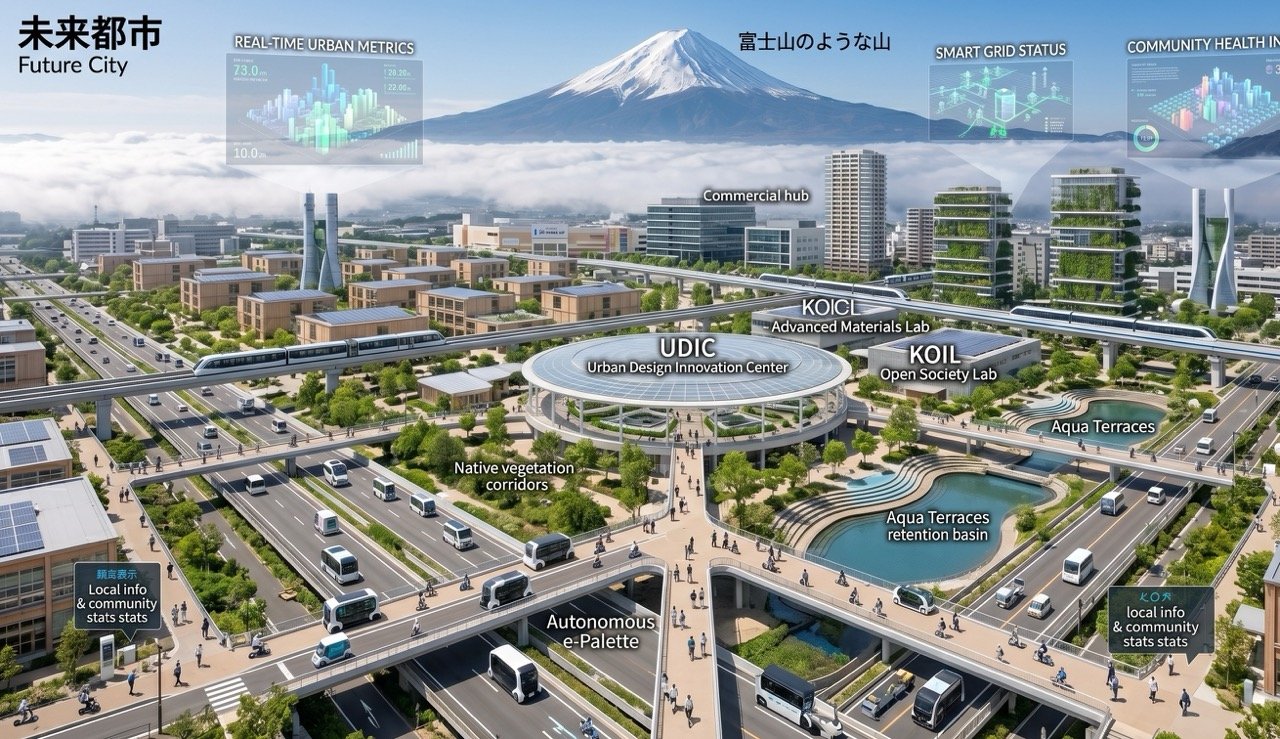
Shu-Ha-Ri: Japanese Competency Development from Imitation to Innovation
The Japanese three-stage skill acquisition model — follow the rule completely (Shu), break it after mastery (Ha), then transcend it to innovate your own method (Ri).
 Hospitality & Customer Experience
Open
Hospitality & Customer Experience
Open
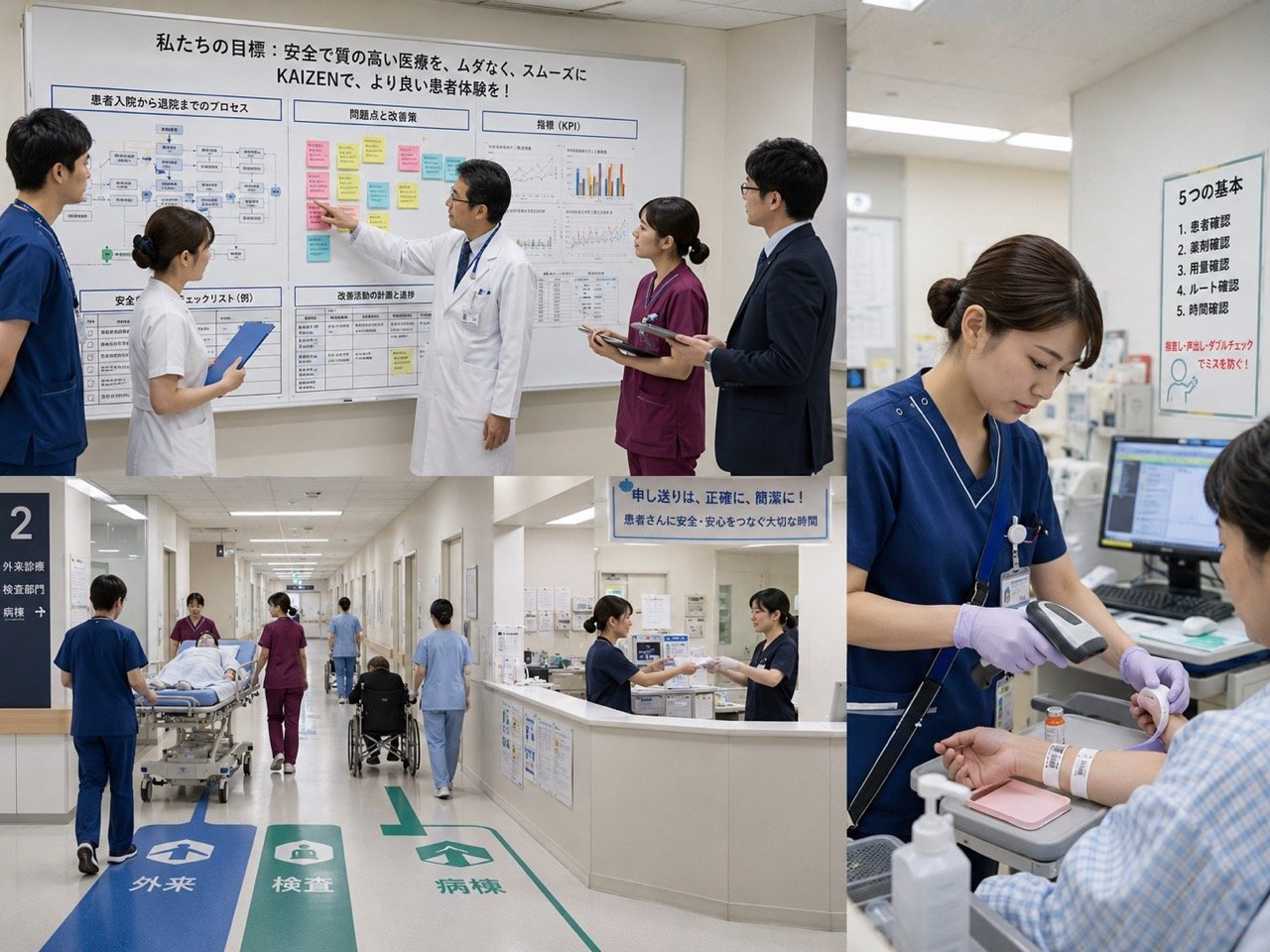
The 7-Minute System: Engineering Peak Efficiency in Government Services
How Shinkansen cleaning crews clean an entire train in seven minutes with military precision and a smile — an operational efficiency model applicable to government services and hospitals.
 Smart Agriculture & Food Security
Open
Smart Agriculture & Food Security
Open
Satoyama: Balanced Agriculture Philosophy & Rural Planning Applications
Satoyama landscapes blend forests, rice paddies, and villages into a sustainable land-use system recognised by UNESCO. Visit Kyoto to learn how this model can inspire rural development and food security in your country.
 Smart Agriculture & Food Security
Open
Smart Agriculture & Food Security
Open
Harvest Robots & Automated Agriculture: Japan Response to Aging Farmers
Japan average farmer is over 67. The country is automating agriculture to survive. Visit Nagoya to see self-driving tractors, strawberry robots, and harvest arms — then design your own agri-automation plan.
 Infrastructure & Engineering
Open
Infrastructure & Engineering
Open
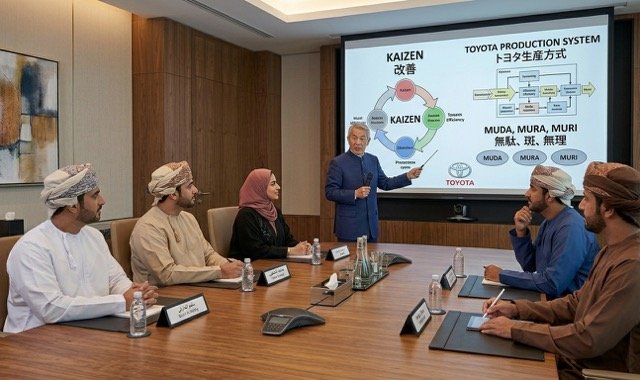
Japanese Future Cities: Smart City from Woven City to Kashiwa-no-ha
Japan experience building smart cities from scratch — Woven City built by Toyota as a self-contained integrated city model, with direct lessons for Gulf mega-city projects.
 Quality & Operations
Open
Quality & Operations
Open
5S in Government: From Factory to Office & Public Service
Take Japan's most proven workplace discipline — 5S — out of the factory and into government ministries, hospitals, and public offices. Leave with a completed 5S audit, a structured implementation plan, and the skills to sustain it independently.