
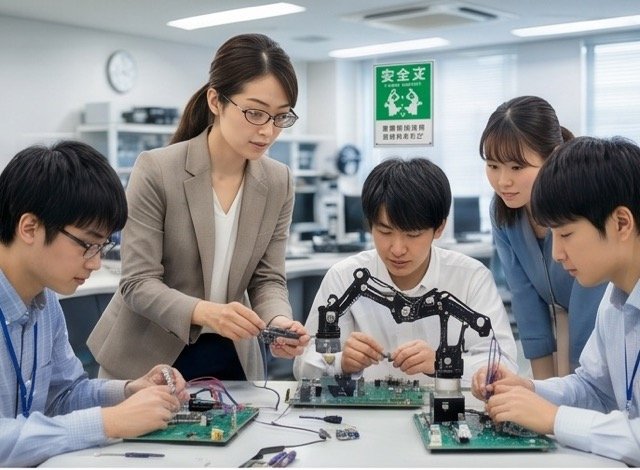
Gemba Leadership: Decisions from the Field, Not the Office
Genchi Genbutsu as a deep leadership methodology — how Japanese managers make decisions based on visible reality rather than reports, with field application in real Japanese facilities.
Overview
Program Objectives
- Understand the philosophy and methodology of Gemba leadership.
- Conduct a structured Gemba Walk using the 3G principle.
- Build a Gemba-based problem-solving habit for their team.
- Design a field-based decision-making system for your organisation.
Requirements
- Operations managers, quality directors, department heads, and leaders managing teams in field environments.
Why This Program?
Stop Managing From Reports. Start Leading From the Real Place.
Five days in Osaka learning Gemba Walk methodology and field-based decision making from Japanese managers.
Most leaders decide from dashboards and second-hand reports. Gemba leadership trains you to see problems, ask better questions, and act based on real field evidence. This programme combines classroom methodology with live Gemba Walks in real facilities.
Japan perfected Gemba as a management discipline through Toyota Production System and Genchi Genbutsu, making Osaka factories an ideal classroom.
Five days in Osaka: Gemba philosophy, structured walks, real facility visits, A3 problem solving, and a deployable Gemba leadership plan.
Program Value
Learning Journey
Nomination Eligibility
Why Train in Japan
Why Train Overseas
Field Visits Note
Certificate Statement
How to Use This File for Nomination
Suggested Programs
 Infrastructure & Engineering
Open
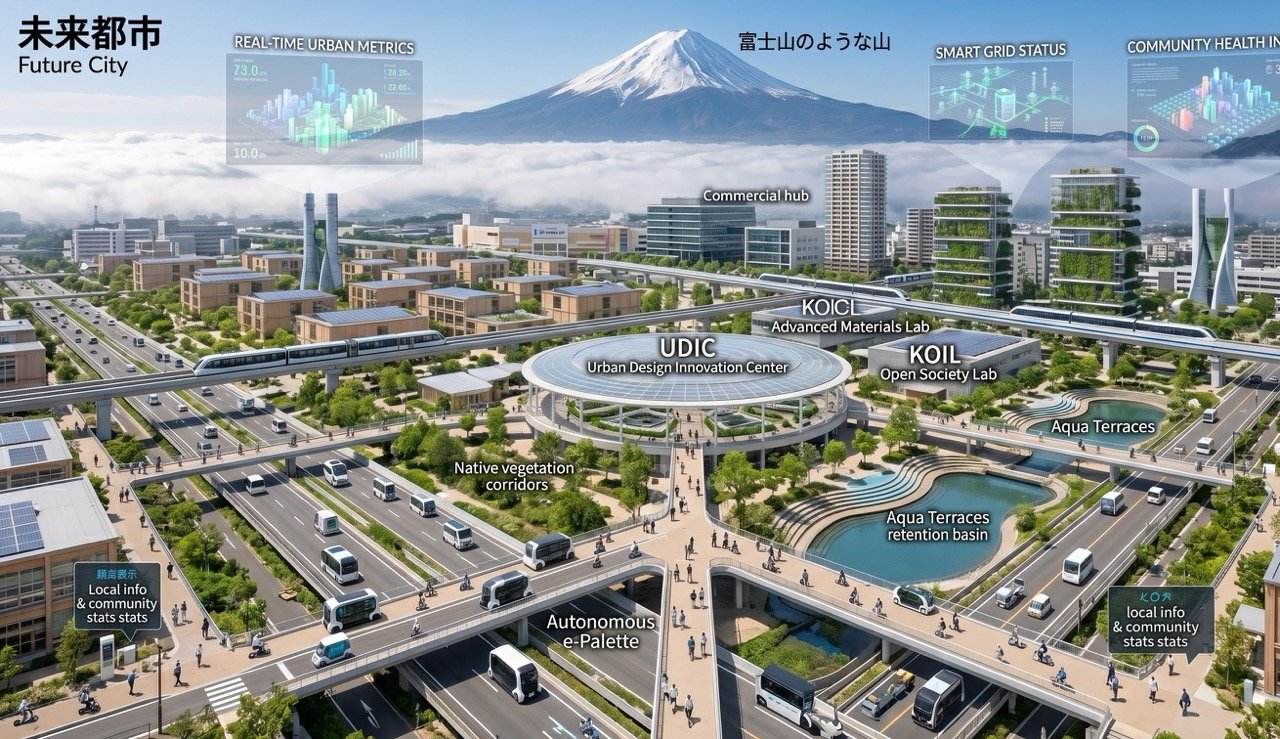
Japanese Future Cities: Smart City from Woven City to Kashiwa-no-ha
Japan experience building smart cities from scratch — Woven City built by Toyota as a self-contained integrated city model, with direct lessons for Gulf mega-city projects.
 Hospitality & Customer Experience
Open
The 7-Minute System: Engineering Peak Efficiency in Government Services
How Shinkansen cleaning crews clean an entire train in seven minutes with military precision and a smile — an operational efficiency model applicable to government services and hospitals.
 Human Development & Education
Open
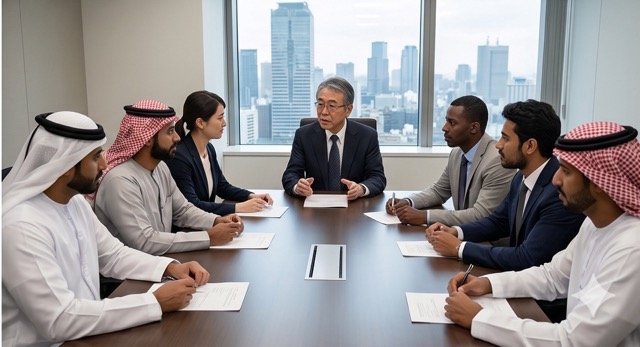
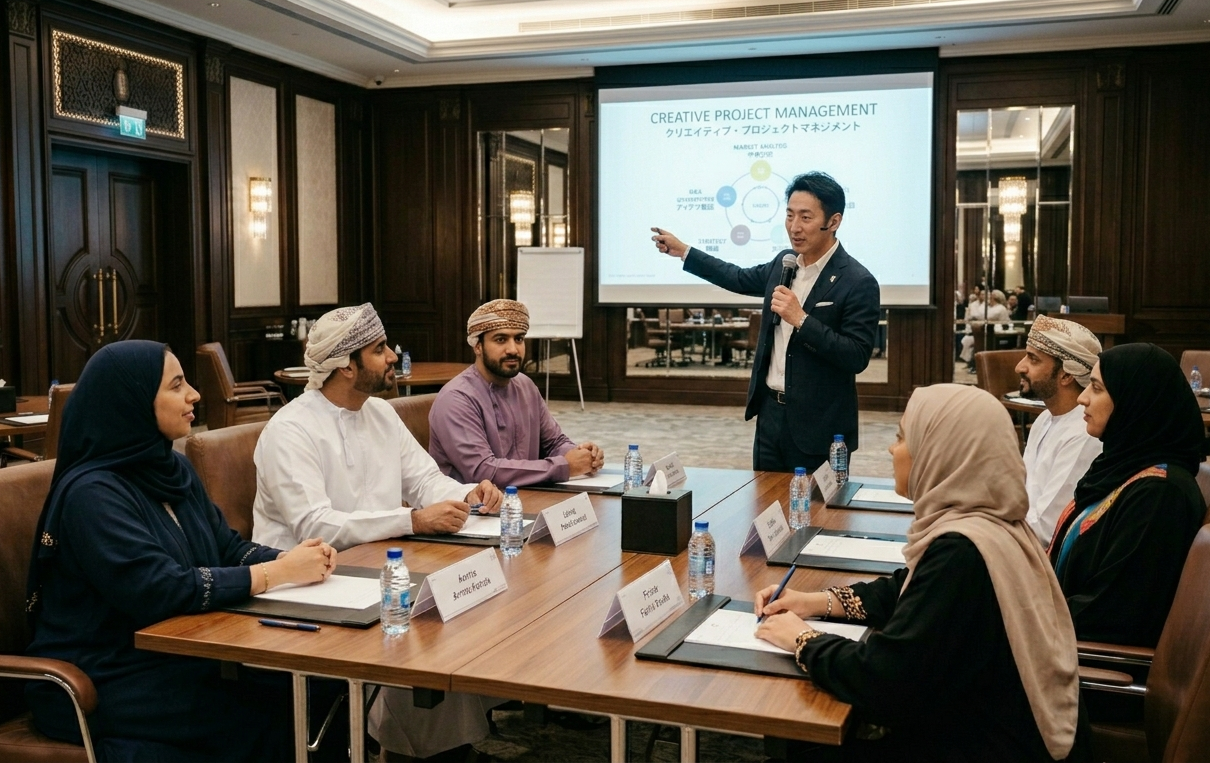
Shu-Ha-Ri: Japanese Competency Development from Imitation to Innovation
The Japanese three-stage skill acquisition model — follow the rule completely (Shu), break it after mastery (Ha), then transcend it to innovate your own method (Ri).
 Management & Leadership
Open
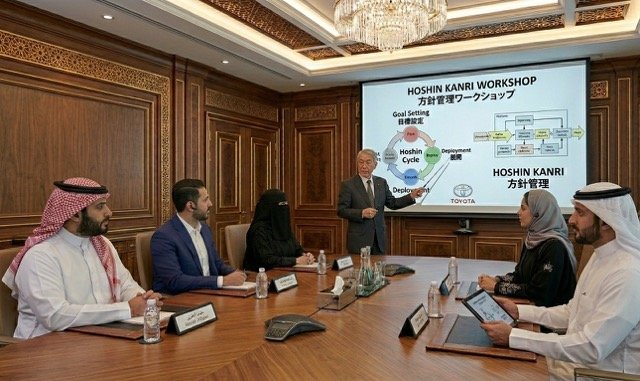
Toyota Way Leadership: The 14 Principles in Practice
A deep immersion in the 14 principles of the Toyota Way — long-term thinking, employee and supplier development, and Genchi Genbutsu — experienced directly at Toyota City headquarters.
 Smart Agriculture & Food Security
Open
Harvest Robots & Automated Agriculture: Japan Response to Aging Farmers
Japan average farmer is over 67. The country is automating agriculture to survive. Visit Nagoya to see self-driving tractors, strawberry robots, and harvest arms — then design your own agri-automation plan.
 Quality & Operations
Open
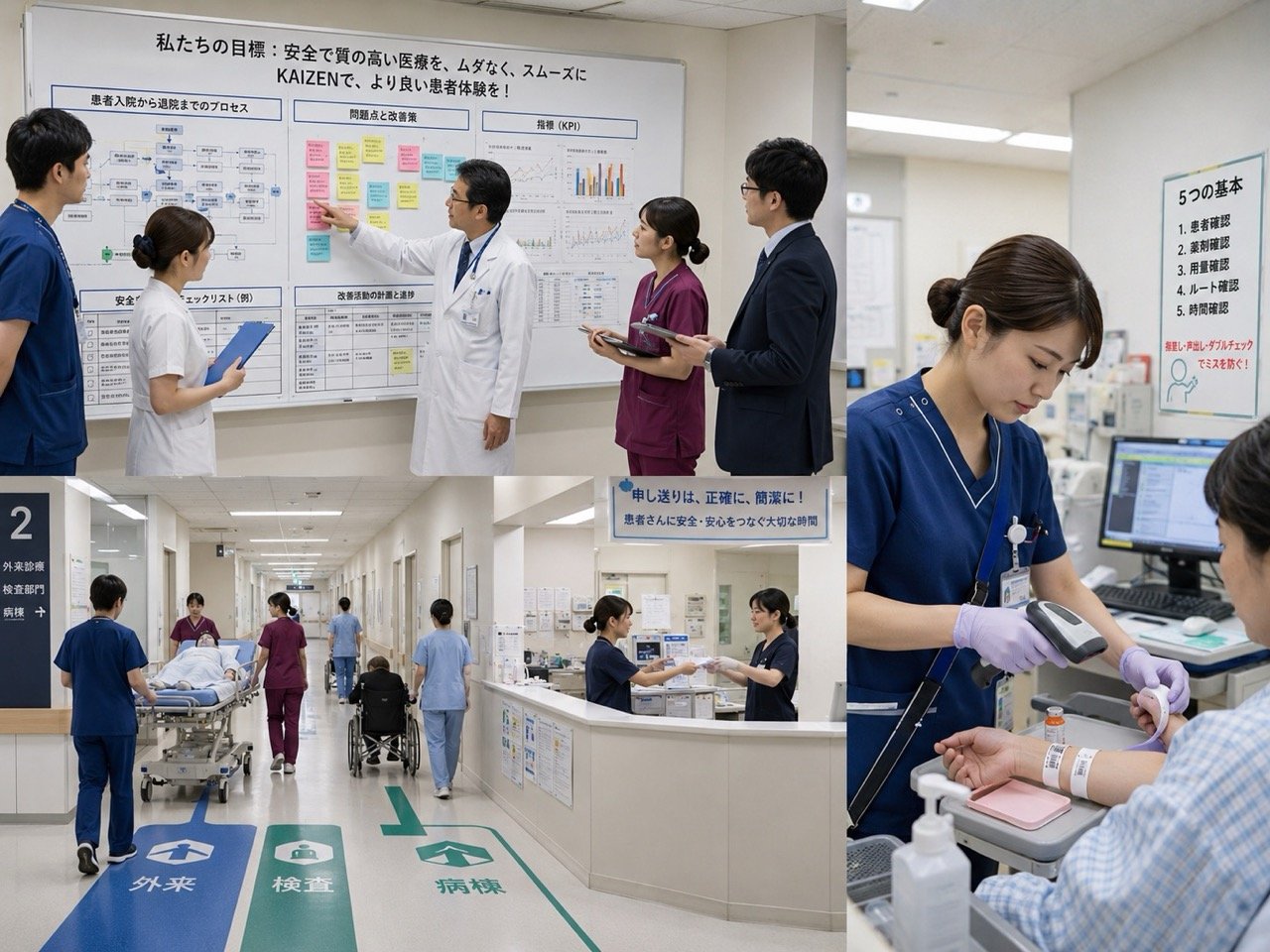
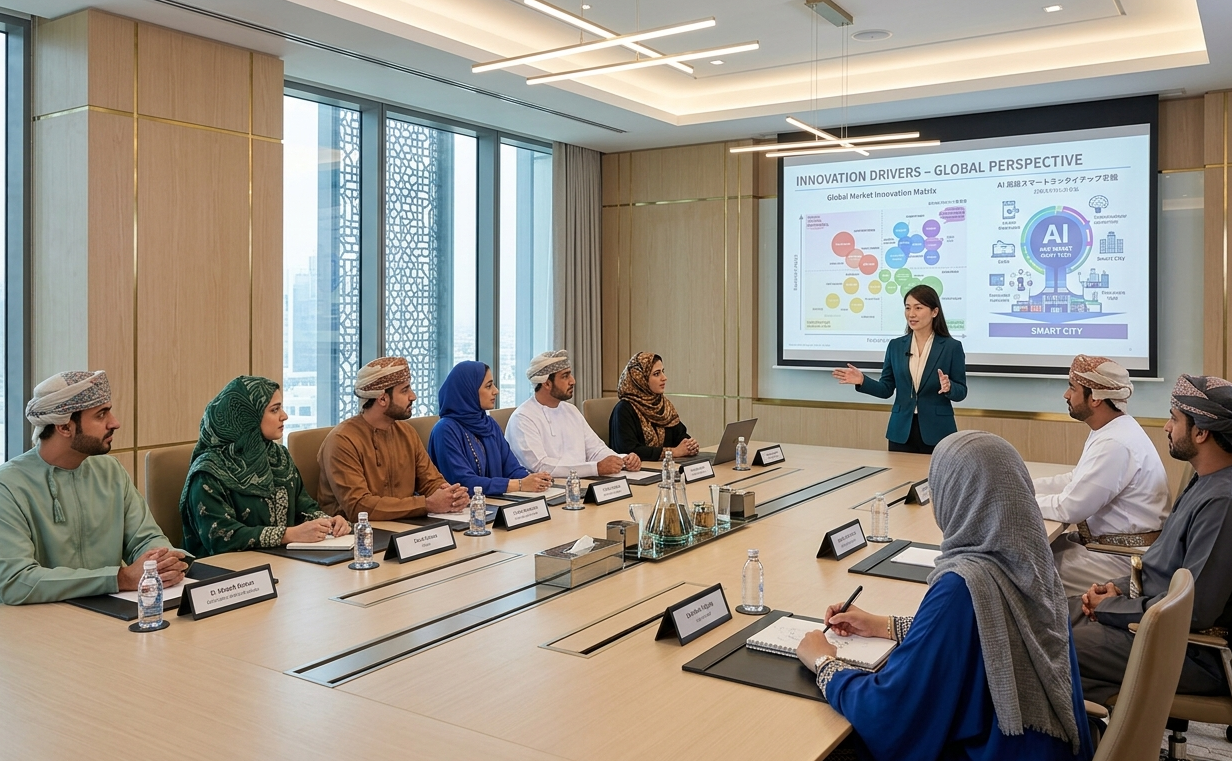
Poka-Yoke: Error-Proofing for Government & Service Sectors
Take Japan's most powerful error-prevention tool beyond the factory floor and apply it to government services, hospitals, airports, and digital workflows — eliminating human error by design, not discipline.