
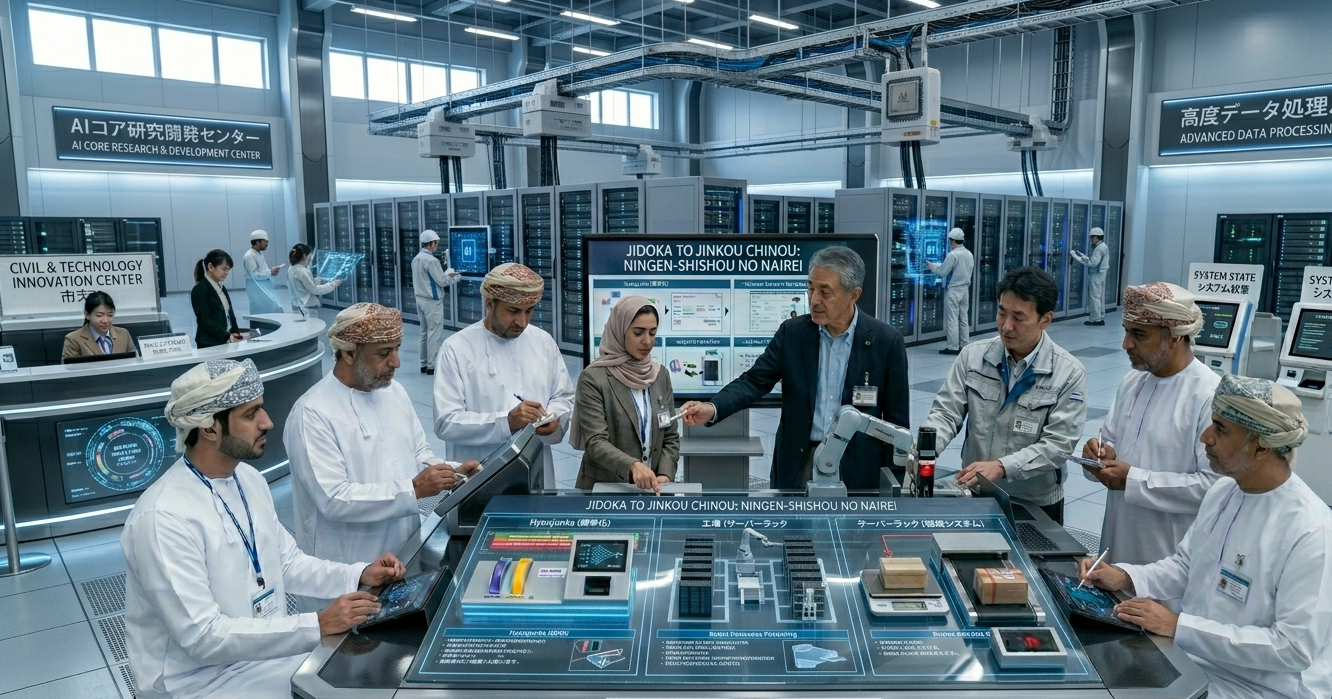
Anti-Seismic Engineering: Base Isolation & Resilient Construction
Learn from the nation that perfected earthquake-resistant construction — Japan's base isolation systems, tuned mass dampers, and seismic standards that kept Tokyo's skyscrapers standing through thousands of earthquakes.
Overview
Program Objectives
- Understand the physics of seismic forces and principles of seismic-resistant structural design.
- Evaluate base isolation systems (LRB, friction pendulum) and damper technologies for different building types and risk levels.
- Apply Japanese seismic standards to infrastructure planning, building code development, and retrofit prioritisation.
- Design a seismic vulnerability assessment framework for a national or municipal building stock.
Requirements
- Civil engineers, structural engineers, infrastructure project managers, urban planners, construction regulators, and government officials responsible for building codes and infrastructure resilience.
Why This Program?
Japan's Buildings Survived 9.0. Learn Exactly How.
Five days in Tokyo studying the engineering that protects Japan — and applying it to your nation's building codes.
Seismically active nations lose thousands of lives to preventable building collapses. The engineering to prevent this exists — Japan refined it over 100 years. This programme transfers that knowledge directly to the professionals who write building codes and design infrastructure.
Japan is the only country where you can visit a base-isolated building, tour a seismic engineering laboratory, see Tuned Mass Dampers in operation, and speak with the engineers who designed the systems that protected Tokyo during the 2011 earthquake.
Five days in Tokyo: seismic theory, base isolation site visit, damper technology tour, standards workshop, Day 5 vulnerability assessment framework presentation.
Program Value
Learning Journey
Nomination Eligibility
Why Train in Japan
Why Train Overseas
Field Visits Note
Certificate Statement
How to Use This File for Nomination
Suggested Programs
 Environment & Energy
Open
Environment & Energy
Open
Kitakyushu: From Pollution City to Global Sustainability Capital
Kitakyushu journey from Japan most polluted city in the 1960s to a UN model for environmental transformation — with field visits to sustainability infrastructure and recycling plants.
 Management & Leadership
Open
Management & Leadership
Open
Keiretsu: Japanese Business Networks for Emerging Economies
Study Japan's legendary Keiretsu industrial network model — the architecture behind Mitsubishi, Sumitomo, and Toyota's supply chain dominance — and extract a directly applicable blueprint for Gulf economic diversification.
 Disaster Management & Resilience
Open
Disaster Management & Resilience
Open
Sendai Framework: Field Study of Post-2011 Reconstruction
Walk the coastline where 20,000 perished in 2011 and study how Japan turned that tragedy into the Sendai Framework — now the DRR standard for 187 nations.
 Healthcare & Senior Care Technology
Open
Healthcare & Senior Care Technology
Open
Healthcare Robots: PARO, HAL & Robear in the Future of Care
Touch the future of care in Tsukuba: PARO the therapeutic seal for dementia, HAL the exoskeleton that restores movement, and Robear the bear that lifts patients. Then design your own robotics pilot.
 Management & Leadership
Open
Management & Leadership
Open
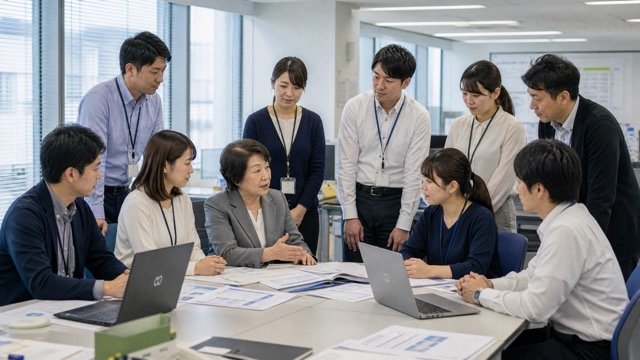
Nemawashi & Ringi: Consensus Building & Group Decision-Making
Master the invisible backbone of Japanese corporate decision-making — the Nemawashi consensus-preparation system and the Ringi formal approval process — to eliminate conflict and accelerate high-stakes decisions.
 Innovation & Technology
Open
Innovation & Technology
Open
HAL Exoskeleton: From Medical Therapy to Industry
Study HAL technology from Cyberdyne Japan and its applications in neurological rehabilitation, factory worker assistance, and support for the elderly.